Why Archiving Black Educator Lived Experiences Matters for Institutional History
Archiving Black educator lived experiences is a vital form of historical preservation that counters institutional whitewashing. By permanently securing oral histories and exit testimonies, communities ensure that the systemic pushout of Black educators is documented accurately, preventing future whitewashing of educational history and holding systems accountable for racial battle fatigue.
Key Takeaways
- Traditional school archives rarely capture the day-to-day racial battle fatigue experienced by Black educators.
- Permanent archival preservation transforms individual resignations into collective historical evidence.
- Centering oral histories protects against institutional whitewashing and historical erasure.
- Archival justice requires moving beyond numerical retention metrics to honor human testimonies.
- Future researchers need raw, unedited narratives to understand systemic failures in modern education.
The Limitations of Traditional Institutional Archives
When we look at how schools and districts maintain their histories, we notice a glaring omission. Traditional educational archives are filled with booster club photographs, PTA minutes, board policy updates, and standardized test score metrics. They tell a sanitized story of progress, innovation, and institutional success. What they consistently leave out is the human cost of working inside systems built on anti-Blackness, misogynoir, and colorism.
For decades, when a Black educator made the painful decision to leave a hostile classroom or administration, their reasons were reduced to a generic resignation letter or an impersonal HR exit survey. These administrative checkboxes strip away the nuance of racial battle fatigue, gaslighting by leadership, and the slow erosion of professional joy. Without deliberate intervention, these stories vanish into the ether, leaving future generations with no documentation of why brilliant educators walked away.
Archival justice demands that we reject these incomplete institutional narratives. When we treat the testimonies of teachers leaving the profession as disposable, we allow school systems to rewrite history and claim that retention issues are merely individual failures rather than systemic crises.
How Oral Histories Act as Primary Historical Evidence
Oral history has always been a cornerstone of Black liberation and truth-telling. In academic and institutional settings, however, written documents have historically been prioritized over spoken word. This hierarchy of evidence marginalizes communities that rely on oral traditions to pass down wisdom, warning signs, and survival strategies.
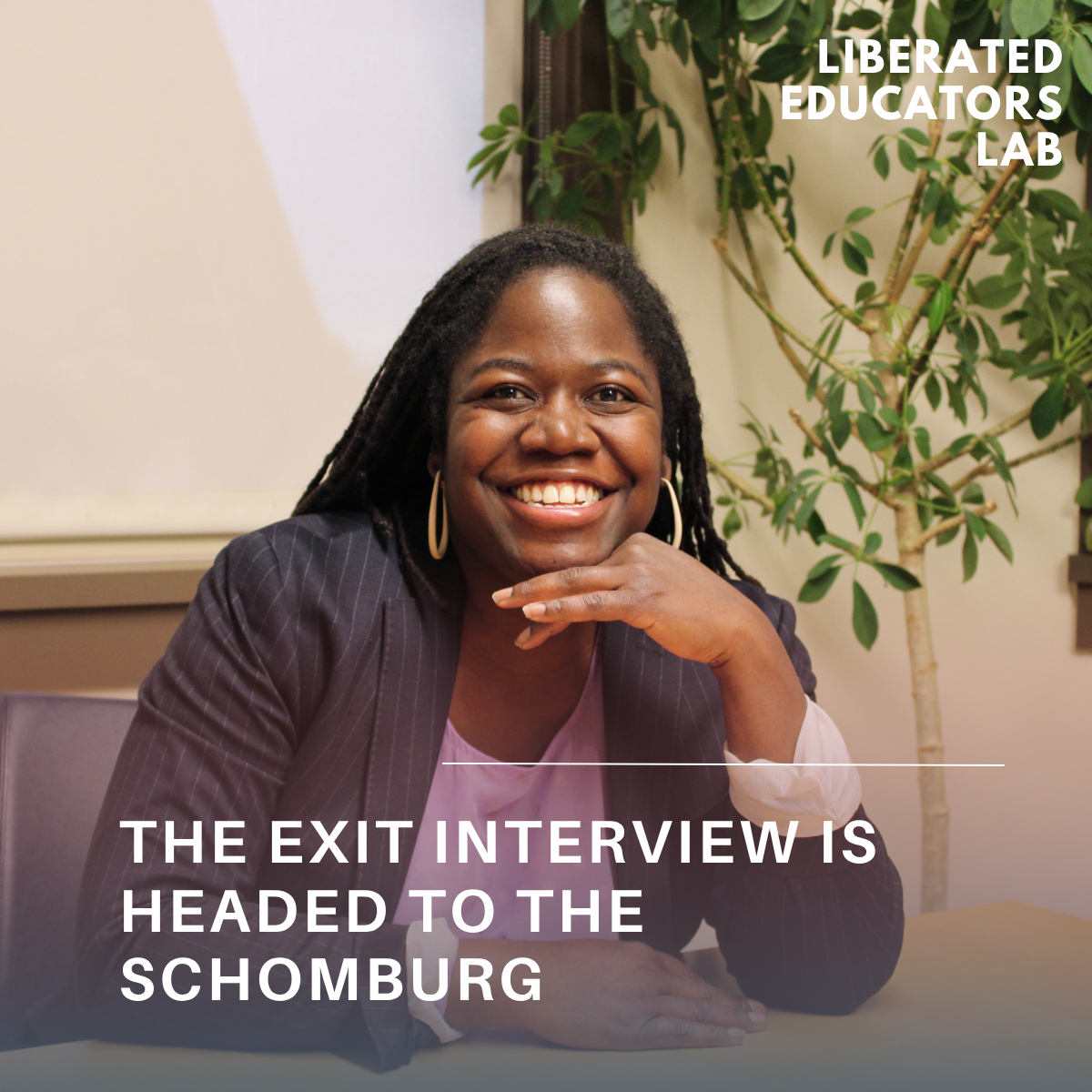
Preserving the recorded testimonies of Black educators bridges this gap. When ninety-three episodes of an exit interview project are permanently housed in a world-class cultural institution like the Schomburg Center, the medium itself becomes a political statement. It asserts that the spoken experiences of Black teachers holding systems accountable are just as valid and valuable as a peer-reviewed journal article or a legislative report.
Shifting From Metrics to Meaning
School districts love data. They track teacher turnover rates, absenteeism, and certification demographics on neat spreadsheets. Yet, spreadsheets cannot convey the emotional weight of being the only Black teacher on a grade-level team, enduring coded microaggressions from parents, or being penalized for advocating for Black students.
By archiving qualitative oral histories, researchers gain access to the underlying mechanics of educator pushout. They can trace patterns of institutional harm across different states, school types, and decades. This shifts the conversation from passive observation to active evidentiary documentation.
Protecting Against Historical Erasure in Education
Educational spaces are currently undergoing intense political battles over what can be taught, discussed, or remembered. Efforts to ban discussions of systemic racism in classrooms mirror the internal corporate culture of schools that silence educators who speak truth to power. If current educators do not document their struggles and departures, institutional memory will be controlled entirely by the very entities that caused the harm.
Saving these stories creates a permanent shield against erasure. It ensures that when historians look back at this era of public education, they will not just see a teacher shortage; they will see a mass exodus driven by systemic dysfunction, and they will hear the exact voices of those who chose their mental health, dignity, and wellness over a broken system.
Building a Future Where Black Educators Thrive
Archiving the past is never just about looking backward—it is a blueprint for future transformation. You cannot fix a problem you refuse to accurately diagnose. By preserving these exit narratives, researchers, policymakers, and community advocates are handed a detailed roadmap of what needs to change if educational spaces ever hope to retain Black talent.
True institutional transformation requires listening to those who left, understanding the breaking points, and valuing their truths as sacred historical records. As the movement for educational justice continues to evolve, the physical and digital preservation of these testimonies ensures that the lessons learned through deep personal sacrifice are never forgotten.
Conclusion and Next Steps
The movement to preserve Black educator testimonies proves that documentation is an act of resistance, healing, and community care. To dive deeper into the journey of archiving these powerful narratives and explore how oral histories are changing the educational landscape, you can Listen to the full episode. Take time to listen to the lived experiences that are reshaping how we understand education, retention, and the true cost of systemic harm.
Frequently Asked Questions
What is archival justice in the context of education?
Archival justice is the practice of actively centering, preserving, and protecting marginalized narratives that traditional historical institutions have historically ignored, erased, or downplayed.
Why do traditional school districts fail to document educator pushout?
School districts typically view teacher departures through a human resources lens, focusing on administrative metrics rather than structural racism, misogynoir, and hostile work environments.
How do oral histories impact future educational reform?
Oral histories provide qualitative depth that spreadsheets miss, giving policy makers and researchers concrete human evidence of how systemic inequities force talented professionals out of the classroom.
What makes the Schomburg Center collection significant for educators?
The Schomburg Center provides a globally respected repository that validates Black educator testimonies as primary historical records of resistance, survival, and institutional failure.

Being Committed without Being Consumed


