The Only One At The Table With Monika Robinson

What does it mean to be the only Black teacher at the table year after year?
In this powerful episode of The Exit Interview: A Podcast for Black Educators, Dr. Asia Lyons sits down with Monika Robinson, a former public school teacher, instructional coach, nonprofit leader, and founder of Reparations Ed, to unpack the quiet isolation many Black educators experience in predominantly white and suburban school systems.
For six years, Monika was the only Black teacher in her building. While she describes her experience as not bad, she also names the subtle but persistent exclusion of being left out of informal gatherings, navigating leadership roles without support, and carrying the weight of representation alone. Her story highlights how school isolation is often normalized, minimized, or dismissed even when it impacts retention and wellness.







Episode Overview
In this powerful episode of The Exit Interview, Dr. Asia sits down with Monika Robinson, a former educator turned wellness coach and founder of Reparations Ed. Monika shares her 10-year journey through public education in Dallas, Texas, navigating the challenges of being the only Black teacher in predominantly white schools, facing administrative conflicts, and ultimately finding her calling in supporting educator wellness through positive intelligence coaching.
Guest Bio
Monika Robinson is a former public school educator with 10 years of experience, including roles as a classroom teacher, team leader, and instructional coach. She is the founder of Reparations Ed, a business focused on wellness coaching and training for education leaders. Born and raised in Dallas, Texas, Monika now helps educators develop emotional intelligence and manage stress through positive intelligence frameworks.
Key Topics & Timestamps
Early Career & Finding Her Path (0:00-15:00)
- Childhood dreams: Always knew she wanted to be a teacher; played school with siblings as the oldest daughter
- Post-college transition: Worked at a staffing agency for 2 years before landing her first teaching position in 2009
- First teaching position: Kindergarten teacher at an upscale suburban elementary school outside Dallas
- Early challenges: Only Black teacher at the school, assigned a "challenging" Black student, faced parent complaints
The Isolation of Being "The Only One" (15:00-35:00)
- Recurring theme: Spent 8 of 10 years as the only Black teacher in her schools
- Second school experience: Team leader position at another predominantly white school
- Communication breakdown: Principal failed to inform team she was the leader, creating immediate conflict
- Tragic conflict: Colleague who resented her leadership excluded her from her own funeral
- Professional exclusion: Purposely left out of teacher social gatherings and activities
Growth & Leadership Development (35:00-50:00)
- Teaching evolution: Moved from kindergarten to third grade, found her stride
- Natural authority: Students sometimes mistook her for the principal
- Leadership training: Participated in district leadership development program
- Instructional coach role: Transitioned to coaching position at a different district
- Building relationships: Learned to position herself as a partner rather than an expert to resistant teachers
The Breaking Point (50:00-70:00)
- New principal conflict: 2019 brought a new administrator who created a hostile environment
- The test incident: Made one mistake giving wrong benchmark assessment to students
- Contract manipulation: Received teacher contract instead of instructional coach renewal
- HR failure: Human Resources offered no support or mediation
- Principal's departure: The problematic principal went on FMLA and never returned, while Monika was pushed out
Transition to Nonprofit (70:00-85:00)
- Unexpected opportunity: Recruiter found her resume and connected her with education nonprofit
- Key differences: More freedom in program design, no state-mandated assessments
- Trade-offs: Longer hours (until 5pm vs 3pm), no summer breaks, slightly higher pay
- Director role: Managed a team of 12 people, faced new leadership challenges
- Continued isolation: Still navigating predominantly white spaces
Finding Wellness & Purpose (85:00-End)
- Reparations Ed founding: Started in 2020 to provide equity training for educators
- Pivot to wellness: Shifted focus when anti-racism work became less "in style"
- Positive Intelligence discovery: Learned about saboteur assessment and thought patterns
- The Controller saboteur: Identified her anxiety-based need to control situations
- Current work: Coaching and workshops on positive intelligence for education leaders
- Self-awareness journey: Learning to give herself and others grace, managing negative thinking
Key Themes
Systemic Isolation
Monika's experience as the only Black teacher in multiple schools over 8 years highlights the persistent lack of diversity in suburban Texas schools and the emotional toll of professional isolation.
Administrative Communication Failures
Throughout her career, administrators consistently failed to communicate clearly, creating unnecessary conflicts and leaving Monika to navigate difficult situations alone.
The Cost of Excellence
Despite being a strong teacher and leader, Monika faced resistance, exclusion, and ultimately was pushed out when she made a single, minor mistake.
HR Protects the Institution
When Monika sought support from Human Resources, they prioritized the organization over her well-being, offering no mediation or transfer options.
The Wellness Gap
Monika identified a critical need for emotional intelligence training and wellness support for educators, particularly leaders who make decisions under constant stress.
Powerful Quotes
"I was the only black teacher. And actually I'll take that back. There was one other black teacher, she never talked to me, never acknowledged me. We had no communication."
"Why would you go to your grave [holding a grudge]? She barely knew me."
"HR is not our friend. HR of an organization is for the best interest of the organization."
"I would've stayed longer in teaching. I would've stayed longer had it not been for that situation."
"We like to think the outside world is causing all the stress... But really the stress starts up here."
"Thoughts create reality, man. You cannot function with just negative thinking constantly."
Resources Mentioned
Books
- "Culturally Responsive Teaching and the Brain" by Zaretta Hammond
- Monika's most impactful professional book, which she used for two-year book studies with her nonprofit team
Concepts
- Positive Intelligence
- Framework for understanding saboteur thought patterns and managing stress
- Saboteur Assessment
- Tool for identifying automatic, habitual thought patterns that cause stress
- The Controller Saboteur
- Anxiety-based need to control situations and people
Shout Outs
Zaretta Hammond - Black educator and author whose work on culturally responsive teaching transformed Monika's approach to education and partnership with students
Connect with Monika Robinson
LinkedIn: Monika Robinson (Monica with a K)
Website: reparationsed.com
Services: Wellness coaching, positive intelligence training, workshops for education leaders
Reflection Questions for Listeners
- How does your school or district support educators who are "the only one" in their space?
- What systems are in place to ensure clear communication between administrators and staff?
- How does your organization support educator wellness and emotional intelligence development?
- What would change if HR truly advocated for individual educators rather than just the institution?
- How might positive intelligence training transform leadership in your educational setting?
Episode Takeaways
- Isolation has consequences: Being the only Black educator in a space for years takes a significant emotional and professional toll
- Communication matters: Administrative failures to communicate clearly create unnecessary conflicts and damage relationships
- One mistake shouldn't define a career: Monika's single error was weaponized against her despite years of excellence
- Wellness is essential: Educators need tools for managing stress, negative thinking, and emotional intelligence
- There's life after education: Nonprofit work and entrepreneurship can provide meaningful alternatives for educators who need to leave
The Exit Interview is a podcast for Black educators, hosted by Dr. Asia Lyons. New episodes release regularly featuring honest conversations about the challenges, triumphs, and transitions of Black educators across the country.
First of all.... have you signed up for our newsletter, Black Educators, Be Well? Why wait?
Amidst all the conversations about recruiting Black educators, where are the discussions about retention? The Exit Interview podcast was created to elevate the stories of Black educators who have been pushed out of the classroom and central office while experiencing racism-related stress and racial battle fatigue.
The Exit Interview Podcast is for current and former Black educators. It is also for school districts, teachers' unions, families, and others interested in better understanding the challenges of retaining Black people in education.
Please enjoy the episode.
Peace out,
Dr. Asia Lyons
The Only One At The Table With Monika Robinson - The Exit Interview Podcast
[00:00:00]
dr--asia-lyons--she-her-_2_01-06-2026_131535: All right folks. Welcome back to the exit interview, a podcast for black educators with me, your host, Dr. Asia. We're in season six, episode two, and that'll probably be the last time you hear me. Keep count, because I can never remember what episode was season. Uh, but just like I said in Cam's episode, it's not about me, it's about our guest.
Welcome to the show, Monica. How are you today?
monika-robinson_2_01-06-2026_141536: I am doing amazing Um, thank you for having me.
dr--asia-lyons--she-her-_2_01-06-2026_131535: Of course, of course. Um, so Monica, uh, I should say her whole name, Monica Robinson. Uh, we saw each other on LinkedIn. She said, Hey, it'd be cool to be in the show. And I'm like, let's talk. And so here she tell us a little bit about yourself before we get started.
monika-robinson_2_01-06-2026_141536: yes, shout out to LinkedIn. That's my baby.
dr--asia-lyons--she-her-_2_01-06-2026_131535: Yeah, me too. I live there. People know that by now. Yes.
monika-robinson_2_01-06-2026_141536: Yes, [00:01:00] yes, me and you both. Um, so I am a former educator. I worked in public schools for many years. I think I was in public schools for 10 years. Um, I was a director at a nonprofit. I am now a current business owner. I have a business called Reparations Ed. Um, I support, uh, leaders in education with wellness, um, coaching, training and all that good stuff. Um, so yeah, I live in Dallas, Texas. Born and raised in Dallas. Um, triple D, shout out. So, so yeah, I'm just excited. I'm excited to be here.
dr--asia-lyons--she-her-_2_01-06-2026_131535: I am excited to have you here and to hear your story. So we'll just go ahead and get started. Like you, like you said, you know, I've been here, I've been there, I've done this, I've done that. Let's start you off. Uh, how did you know education was for you? How did your education journey start?
monika-robinson_2_01-06-2026_141536: Okay. So I was one of those folks who knew I wanted to be a teacher. I didn't just [00:02:00] like stumble into it
dr--asia-lyons--she-her-_2_01-06-2026_131535: Yeah,
monika-robinson_2_01-06-2026_141536: of people. Um, and I know some of your other podcast guests 'cause I listen to your podcast. A
dr--asia-lyons--she-her-_2_01-06-2026_131535: I.
monika-robinson_2_01-06-2026_141536: of your other guests have stories about that. But I was, I'm the oldest daughter, so right there, that tells you a
dr--asia-lyons--she-her-_2_01-06-2026_131535: Yes it does.
monika-robinson_2_01-06-2026_141536: like the one who has to be in charge all the time. And I would sit down with my brother and my sister and I would make them play school or play teacher. But I always had to be the teacher. Like they had to listen to me. We had a little chalkboard, you know. It was just, I would put on this, um, t-shirt.
I know a lot of black girls would do this when we were little. We would take a t-shirt and put the, the, um, stretchy part of the t-shirt around our heads and then it would hang down. I don't know if you ever did that Asia,
dr--asia-lyons--she-her-_2_01-06-2026_131535: Uh,
monika-robinson_2_01-06-2026_141536: I'm an eighties baby. And that's what we did. 'cause we wanted to pretend we had long
dr--asia-lyons--she-her-_2_01-06-2026_131535: yeah.
monika-robinson_2_01-06-2026_141536: So I would do that. And so I kind of always knew that, you know, I'm, I'm gonna be a teacher. So, um, that [00:03:00] propelled me on the journey. I went to school, you know, for, for education. I started off as a business major, but I ended up changing my major, um, to teaching and I just never looked back. It's always just been something I was interested in.
dr--asia-lyons--she-her-_2_01-06-2026_131535: Yeah. And shout out to that story. Sarah Graham was on the episode on the show, uh, a couple seasons back, and she had the exact same story. She had a sister and she would force her to play school and she said she would do worksheets and her sister said she had zero interest and didn't tell her until she was an adult.
Like she hated it. And Sarah, Sarah was like, what? She's like, yeah, I hated doing worksheets. I didn't wanna play with you. So you are not the only one out here torturing siblings with knowledge. Um, so
monika-robinson_2_01-06-2026_141536: them if they hated it or not.
dr--asia-lyons--she-her-_2_01-06-2026_131535: you gotta,
monika-robinson_2_01-06-2026_141536: tuned. I'll follow up with you.
dr--asia-lyons--she-her-_2_01-06-2026_131535: yeah. Let us know. So you went to school for business, went into education. Tell us about your first, um, your first few years in teaching.
Where did you teach? Let's, let's talk about that a little bit.
monika-robinson_2_01-06-2026_141536: it's funny 'cause when once I [00:04:00] graduated from college, I did not get a job in teaching right away. Like back then, I guess it was hard to get a job as a teacher. I don't know. Like right now I feel like, look, they gonna hire anybody, not anybody. But it's just much easier because there's a
dr--asia-lyons--she-her-_2_01-06-2026_131535: They need it. Yeah.
monika-robinson_2_01-06-2026_141536: you know?
And there's their people are leaving and it's a teacher shortage. But I started off just um, um. Oh, sorry, I lost my train of thought. Ask me the question again.
dr--asia-lyons--she-her-_2_01-06-2026_131535: The question was, so after you finished graduating, after you graduated, what did you do? So you didn't find a job right away. So what did you do until you found a job?
monika-robinson_2_01-06-2026_141536: right away, and so what I did was I did two years at a staffing agency and I was really good at that.
dr--asia-lyons--she-her-_2_01-06-2026_131535: as a sub or something else?
monika-robinson_2_01-06-2026_141536: No, as at a staffing agency, I was staffing just random jobs. I know we, we were finding, like, I was finding mortgage, lend mortgage officer, mortgage loan officers. I know back [00:05:00] then like, um, the non-existent countrywide.
I know people remember countrywide from the early two thousands. We were staffing for them. Like I would
dr--asia-lyons--she-her-_2_01-06-2026_131535: Okay.
monika-robinson_2_01-06-2026_141536: mortgage loan officers to go and work at Countrywide. Right.
dr--asia-lyons--she-her-_2_01-06-2026_131535: got you.
monika-robinson_2_01-06-2026_141536: I did, yeah, I did that for two years. Had nothing to do with teaching or education like whatsoever. And so I did that and then I got a teaching job a few years later.
So, um, I ended up going to work at the suburban elementary school and kind of like an upscale neighborhood right outside of Dallas. It's an upscale suburb in an upscale neighborhood. So needless to say, I was the only black teacher. And actually I'll take that back. There was a one other black teacher, she never talked to me, never acknowledged me.
We we had no communication. I may have said hi to her one time in the two years I was there. So it felt like I was the only black teacher at that [00:06:00] school. it was difficult. And to top it off, I had a problematic, somewhat problematic black student who just happened to be in my class. So it's like the new black teacher, and she's got this black student who they can consider to be a behavior
dr--asia-lyons--she-her-_2_01-06-2026_131535: Mm-hmm.
monika-robinson_2_01-06-2026_141536: And he's in my class and I'm, and no. So just imagine like all those dynamics
dr--asia-lyons--she-her-_2_01-06-2026_131535: Yeah.
monika-robinson_2_01-06-2026_141536: happening, you know, so that student, um, you know. Did a few things that some of the other, to some of the other kids, their parents were upset, wanted their kids out of my class because of him. It was a whole, yeah. So that's how my first year of teaching went.
It was not fun. Like I was, like, I, I was teaching kindergarten and that was not the grade I wanted to
dr--asia-lyons--she-her-_2_01-06-2026_131535: Oh, young.
monika-robinson_2_01-06-2026_141536: teach older, um, kids.
dr--asia-lyons--she-her-_2_01-06-2026_131535: What grade?
monika-robinson_2_01-06-2026_141536: like [00:07:00] third and up,
dr--asia-lyons--she-her-_2_01-06-2026_131535: Okay. Yeah,
monika-robinson_2_01-06-2026_141536: Yeah.
dr--asia-lyons--she-her-_2_01-06-2026_131535: I, I'll say this so many times, we all kind of know, even if we've never taught before, what grade, what age that we feel like would make the most sense for us, especially when we start teaching. And I also wanted to teach third, I ended up teaching fourth, but third was like I, I, I don't know if I can go lower.
So to say that you're in kindergarten, kinda get this, you know, I'm just trying to get the foot in the door, I'm assuming, and then end up with like more challenges on top of the fact that you were going for older kids in the first place had to have been really difficult.
monika-robinson_2_01-06-2026_141536: It, it really was. It was my first two years. Like, I was like, what, what did I, you know, set myself up for? But I will say that I got really good at teaching. I was a really good teacher. I ended up being the team. I left that school and went to another school, and I ended up being the team leader.
dr--asia-lyons--she-her-_2_01-06-2026_131535: Mm.
monika-robinson_2_01-06-2026_141536: And I was a team leader for the rest of my time working in education.
And it was just, it, you know, those, you just gotta get, you have to just [00:08:00] get in there and do it, you know, and you're gonna fail a lot of
dr--asia-lyons--she-her-_2_01-06-2026_131535: Yeah.
monika-robinson_2_01-06-2026_141536: everybody has those first year of teaching stories. Um, but it, it did get better. So, yeah.
dr--asia-lyons--she-her-_2_01-06-2026_131535: Yeah. So you, you went to a different school after that, but I, I, I actually have a question that just came to me.
monika-robinson_2_01-06-2026_141536: Yeah.
dr--asia-lyons--she-her-_2_01-06-2026_131535: were working in on this staffing agency. After school, did you have, or after you finished, um, undergrad, did you have family or folks saying like, I thought you were gonna be a teacher. What happened to be a teacher?
Or did you, it was always in the front of your mind. Were you constantly applying regardless? Like, how did that situation go? Because I think we probably started teaching the same ti time maybe I started teaching in 2006, so it was like right as everything started to kind of close up was like oh 9, 0 8.
But when you were sitting looking for work, how was your response from community and family?
monika-robinson_2_01-06-2026_141536: Yeah, that's a good question. I don't actually remember [00:09:00] anybody saying, Hey, you know, I thought you were gonna be a teacher. What happened? I think people were just happy, like I'm a first generation college student, because I think people were just happy. Like she finished college, you know,
dr--asia-lyons--she-her-_2_01-06-2026_131535: Yeah, yeah. Yeah.
monika-robinson_2_01-06-2026_141536: was just like the big celebration was she finished college, you know?
So that was big. I don't think anybody was questioning, you know, the career path. But I did question it a little bit because I was making just as much money. I had potential to make more because there were commissions. Like each time we placed a person, we would get commission for that person. So it was like you were getting your $40,000 or whatever the base was, $35,000 back then, and then you would get these commissions.
So, so yeah, that's kind of how it went. And I started teaching in 2009.
dr--asia-lyons--she-her-_2_01-06-2026_131535: I was gonna say it must've been oh nine ish because oh nine I became tenured and it felt like the door shut to all new teachers for a long time after oh nine,
monika-robinson_2_01-06-2026_141536: because that's when the crash
dr--asia-lyons--she-her-_2_01-06-2026_131535: [00:10:00] yes.
monika-robinson_2_01-06-2026_141536: crash happened. You're right. And, and then it was harder to e, even harder to get a teaching job.
dr--asia-lyons--she-her-_2_01-06-2026_131535: Yeah, I remember thinking there were people who, from my school, who got laid off from, from work or like I had to go find, like there was only so many openings and you know, first in like last in first out.
monika-robinson_2_01-06-2026_141536: Yep.
dr--asia-lyons--she-her-_2_01-06-2026_131535: so I had just made tenure. I was third year and I had just made tenure and then everyone else, like after me had to go find they had openings in the district, but only so many.
So that's really interesting that that was happening to you at the same time that I was just thinking like, oh, thank God I made it. I was tenured at that point. Yeah.
monika-robinson_2_01-06-2026_141536: that, that actually didn't, you're jogging my memory when you say that. Because the second year that I was like, first in, first out, last in, first out.
dr--asia-lyons--she-her-_2_01-06-2026_131535: Yeah.
monika-robinson_2_01-06-2026_141536: I, I didn't get my contract renewed.
dr--asia-lyons--she-her-_2_01-06-2026_131535: Okay.
monika-robinson_2_01-06-2026_141536: was so cool about it is that school, even for all its fault for all, its like hoity-toity parents, like, you know, these like white women [00:11:00] that were like stay at home moms.
One of them was so helpful to me. She was so kind. She put in a phone call to another school and was like, Hey, my son's kindergarten teacher, we love her. She needs a job. And so that school actually hired me,
dr--asia-lyons--she-her-_2_01-06-2026_131535: Oh, that's awesome.
monika-robinson_2_01-06-2026_141536: in the good word for me at. Yeah.
dr--asia-lyons--she-her-_2_01-06-2026_131535: Yeah,
monika-robinson_2_01-06-2026_141536: you know
dr--asia-lyons--she-her-_2_01-06-2026_131535: so tell us. Yeah, tell us about that too. The next school then.
monika-robinson_2_01-06-2026_141536: Yeah, so I did, I went to the next school, you know, that mom helped me, I can't even remember her name right now, but she was so sweet and she knew I kind of had a rough time with some of those parents and she didn't like some of them either.
So she was kind of like more on my side. So anyway, I go to the, the next school, elementary school that was, um, a little bit closer to my house. It was perfect. And that, and what was so crazy about that is I went to work on a kindergarten team. Um, there was three teachers, and the principal hired me to be the team [00:12:00] lead. Okay. So I'm just coming from a rough two years
dr--asia-lyons--she-her-_2_01-06-2026_131535: Yeah.
monika-robinson_2_01-06-2026_141536: you know, I feel like everybody was on my neck. Like I needed support. You know, I had the bad kid in my class and I
dr--asia-lyons--she-her-_2_01-06-2026_131535: Yeah.
monika-robinson_2_01-06-2026_141536: kid, but you know, I had
dr--asia-lyons--she-her-_2_01-06-2026_131535: Challenging.
monika-robinson_2_01-06-2026_141536: challenging, I had the challenging.
dr--asia-lyons--she-her-_2_01-06-2026_131535: Yeah.
monika-robinson_2_01-06-2026_141536: Because
dr--asia-lyons--she-her-_2_01-06-2026_131535: Yeah.
monika-robinson_2_01-06-2026_141536: really, there are no bad kids. Um, and so I was coming off of that into a team leader and on top of that, the principal did not tell the other two people that I was going to be the team lead.
dr--asia-lyons--she-her-_2_01-06-2026_131535: Now we all know in the audience what this is gonna come out to be. Anyone who's listened to more than two episodes of the exit interview already knows how this is gonna go, but continue. It's your story.
monika-robinson_2_01-06-2026_141536: So the, why do principals do this? I don't know. It feels like they just don't communicate or they forget or something. So later on, I mean, I had to tell them that I was, the team lead [00:13:00] in like an awkward meeting where one of the other teachers was acting as if she was the leader.
dr--asia-lyons--she-her-_2_01-06-2026_131535: Okay.
monika-robinson_2_01-06-2026_141536: And I had to be like, Ooh, UNO reverse.
You're not the leader.
dr--asia-lyons--she-her-_2_01-06-2026_131535: Not the Uno. Uno out, not the draw two. Draw two. Draw four.
monika-robinson_2_01-06-2026_141536: to hit her with it first and tell her that she was not, you know, so that caused some
dr--asia-lyons--she-her-_2_01-06-2026_131535: Yeah.
monika-robinson_2_01-06-2026_141536: Um, she did not like me. And
dr--asia-lyons--she-her-_2_01-06-2026_131535: I.
monika-robinson_2_01-06-2026_141536: what was so sad though, is that that woman, that teacher, I think the second year I was there, she ended up getting brain cancer
dr--asia-lyons--she-her-_2_01-06-2026_131535: Oh no.
monika-robinson_2_01-06-2026_141536: while as a teacher, and she ended up dying.
dr--asia-lyons--she-her-_2_01-06-2026_131535: Oh, no.
monika-robinson_2_01-06-2026_141536: yeah, that was, I mean, that was during the school year. Like she, it happened so fast. She started acting weird. She started doing really weird things. I remember she was in her, it was time for her [00:14:00] to go to art or specials, you know, pe, whatever it was. We, I dropped my students off and I come back and walk past her classroom, and she's still in her classroom with her students, I'm like, oh. Like it's time to go, you know? And when I, even when I told her it was time to go, she still didn't go. think she was reading a story. She was doing something. So I had to be the one to tell the principal that she was acting weird.
dr--asia-lyons--she-her-_2_01-06-2026_131535: Mm-hmm.
monika-robinson_2_01-06-2026_141536: the principal put her on leave and then she just got really bad and she ended up passing away. And I don't, I don't, I'm not laughing 'cause of that. I'm laughing 'cause of something else that happened. I don't know if I should tell this or not. Uh, okay. So I'll tell it.
dr--asia-lyons--she-her-_2_01-06-2026_131535: We here now. Welcome to the exit interview.
monika-robinson_2_01-06-2026_141536: So this is, this is like so crazy. So when she passed away from the brain cancer. I told you she had been acting weird. She wasn't herself. [00:15:00] And in her later days, she really was disoriented. She, you know, her memory, she just wasn't herself. But anyways, when she knew she was going to die, she told her son to that I could not come to her funeral. This woman, and I'm laughing about it now. This was a long time ago, so this was long, 2010 or 11. So it was a while ago, but I'm laughing about it because this lady was so mad that she was still mad that I became the team leader. You know, she's still harboring that for, you know, uh, two years. she, um, actually this was 2012.
But anyway, she told her son that I could not come to her, her funeral. I didn't go to her funeral, but the rest of the, a lot of the teachers did get substitutes and they, they, that's how much she was mad at me for being the team leader
dr--asia-lyons--she-her-_2_01-06-2026_131535: Wow.
monika-robinson_2_01-06-2026_141536: yeah. So anyway,
dr--asia-lyons--she-her-_2_01-06-2026_131535: That's so, that's so hateful
monika-robinson_2_01-06-2026_141536: it's, why would you go to your [00:16:00] grave, like
dr--asia-lyons--she-her-_2_01-06-2026_131535: to your great.
monika-robinson_2_01-06-2026_141536: knew? She barely knew me.
dr--asia-lyons--she-her-_2_01-06-2026_131535: And that was of no fault. Of your own.
monika-robinson_2_01-06-2026_141536: Yeah.
dr--asia-lyons--she-her-_2_01-06-2026_131535: Wow. Wow. Um, okay,
monika-robinson_2_01-06-2026_141536: So anyway,
dr--asia-lyons--she-her-_2_01-06-2026_131535: so you were there. You, you, you continue to be the team lead. This is kindergarten.
monika-robinson_2_01-06-2026_141536: I taught kindergarten there. I continue to be the team lead. I, and you know what's funny about this school too, is again, I was the only black teacher. There were no other black teachers. There was a black woman who worked in the front office, and that was it. There was some Hispanic teachers, excuse me, who taught in bilingual, taught bilingual classes, but there were, I was the only black teacher for the six years that I worked there.
dr--asia-lyons--she-her-_2_01-06-2026_131535: Yeah.
monika-robinson_2_01-06-2026_141536: was, that was just crazy. I don't think that, um, it wasn't a bad experience there, but it could have been better.
dr--asia-lyons--she-her-_2_01-06-2026_131535: Sure.
monika-robinson_2_01-06-2026_141536: better. There was a lot, you know, I just didn't feel, [00:17:00] always feel welcomed. You know, I know that there were times where I was purposely excluded from things that the teachers did together,
dr--asia-lyons--she-her-_2_01-06-2026_131535: Yeah.
monika-robinson_2_01-06-2026_141536: you know?
Um, but I didn't let it bother me. 'cause I'm like, look, I'm not here to make friends anyway, so I just did my job. It was a predominantly Hispanic schools, like 75% Hispanic. there were a lot of bilingual classes and they were full.
dr--asia-lyons--she-her-_2_01-06-2026_131535: Sure.
monika-robinson_2_01-06-2026_141536: so yeah, it was mostly Hispanic. There was, I, I had a few black students here and there, but that is when I think I really honed my teaching skills and I was like, wait a minute, I'm actually really good at this.
dr--asia-lyons--she-her-_2_01-06-2026_131535: Mm-hmm.
monika-robinson_2_01-06-2026_141536: feeling more comfortable in front of the class. I've, I automatically have this, like up as an authority, some people don't naturally have
dr--asia-lyons--she-her-_2_01-06-2026_131535: Mm-hmm.
monika-robinson_2_01-06-2026_141536: So that really came into play there, you know, like kids would see me as the [00:18:00] authority. Some even thought I was the principal at various times, like kids that weren't in my class. Um, so yeah, that was, it was, it was an experience. It was, so I stayed there at that school for six, six long years.
dr--asia-lyons--she-her-_2_01-06-2026_131535: So you were teaching at this time for eight years total with
monika-robinson_2_01-06-2026_141536: Yeah,
dr--asia-lyons--she-her-_2_01-06-2026_131535: black teacher in your first two years, and then none after that. And then of course the, the front office staff at the second school. And I hear that you saying like, I'm not here to make friends. And at the same time, did you feel like it would've been at least nice to have folks of color or black folks specifically in the school?
And then my second question is, was there any acknowledgement from the administration that this was something that was needed there? Was there every any conversation to say like, we realize there's no black teachers here, we want to connect you with some black teachers. Did your district have anything where you all could get together?
What was that like?
monika-robinson_2_01-06-2026_141536: No, there was [00:19:00] nothing like that. I found out way later that there was some black teacher affinity group.
dr--asia-lyons--she-her-_2_01-06-2026_131535: Mm-hmm.
monika-robinson_2_01-06-2026_141536: that they had in the district, but I never knew about it. Nobody ever told me about it. I don't know if it was secret. Look, I live in Texas, okay?
dr--asia-lyons--she-her-_2_01-06-2026_131535: That part.
monika-robinson_2_01-06-2026_141536: in Texas, so that can tell the listeners everything they need to know. It's, it's very much conservative. If you're in Chicago, dc, New York, just forget everything that like, is totally opposite of everything that you probably have experienced, um, if you're from any of those places. So no, there was no talk of, we know you're the only black teacher, let's support you or let's even connect you with this affinity group that may or may not have existed. yeah, but I did, I do stay in contact with two teachers. They are both Hispanic and I do stay in contact periodically with them, like on social media, um, or [00:20:00] we'll text each other here and there. Um, they were great. And not to say that white teachers weren't they, I still know some of them too, and see them on social media.
So there were people that not, not everybody was like, mean to me or
dr--asia-lyons--she-her-_2_01-06-2026_131535: Sure.
monika-robinson_2_01-06-2026_141536: I didn't always feel connected or feel, um, you know, supported at, at that school.
dr--asia-lyons--she-her-_2_01-06-2026_131535: Yeah.
monika-robinson_2_01-06-2026_141536: yeah.
dr--asia-lyons--she-her-_2_01-06-2026_131535: Yeah, that makes sense. So after six years you transferred.
monika-robinson_2_01-06-2026_141536: So I taught kindergarten there and then I taught third grade, so I taught three years kindergarten, three years, third grade, and I loved teaching third grade. Um, and then I was in a program, what's so funny is like they would have these little programs where if you wanted to be a leader, um, it was like this leadership training program or whatever, if you wanted to be a principal or assistant principal. Um, and at that time I did, and I was. I had already, I believe, gotten my [00:21:00] master's degree, or I was in the process of getting it. And so I got into this little program that the district had to like train up, you know, new leaders. And I was like, okay, great. Finish the program and everything. We did some mock interviews, you know, they look at your resume, they just prep you for, you know, interviewing for these positions.
And so I applied to the positions, never even got a real interview.
dr--asia-lyons--she-her-_2_01-06-2026_131535: Mm.
monika-robinson_2_01-06-2026_141536: And so I was like, well, I'm leaving. Then you guys wasted resources. You, you not wasted 'em, but you used all these resources to like train us. But then not many of us got job, you know, in the district. As an administrator, as a, even an instructional coach would've been fine, you
dr--asia-lyons--she-her-_2_01-06-2026_131535: Yeah. Yeah, yeah.
monika-robinson_2_01-06-2026_141536: Yeah. So I ended up leaving and I went to another school district where I was hired as an instructional coach.
dr--asia-lyons--she-her-_2_01-06-2026_131535: Okay.
monika-robinson_2_01-06-2026_141536: was great. So this is a
dr--asia-lyons--she-her-_2_01-06-2026_131535: I.
monika-robinson_2_01-06-2026_141536: that was, again, it was so similar to the [00:22:00] school. I taught at my first two years, the upscale neighborhood in the upscale suburbs. I was like, dang, I'm back here
dr--asia-lyons--she-her-_2_01-06-2026_131535: Mm-hmm.
monika-robinson_2_01-06-2026_141536: But they did have black teachers, so they probably had like four or five, I would say, which was a lot to me. I was like, oh,
dr--asia-lyons--she-her-_2_01-06-2026_131535: Yeah. Yeah,
monika-robinson_2_01-06-2026_141536: four or five. It was more diverse. They even had, I believe they had like an Indian teacher. There was, you know, just a variety. There were some Hispanic teachers, so it was more diverse.
So
dr--asia-lyons--she-her-_2_01-06-2026_131535: yeah.
monika-robinson_2_01-06-2026_141536: More at home there. But you know, me coming in, not knowing anybody, there are 60, probably 60 teachers at the school, and I'm the only instructional coach.
dr--asia-lyons--she-her-_2_01-06-2026_131535: Mm
monika-robinson_2_01-06-2026_141536: it, they're presented difficulties with like building relationships there
dr--asia-lyons--she-her-_2_01-06-2026_131535: sure.
monika-robinson_2_01-06-2026_141536: me to, some teachers were open to coaching and some were like, absolutely not.
Don't, don't even come in my classroom. You
dr--asia-lyons--she-her-_2_01-06-2026_131535: Yeah.
monika-robinson_2_01-06-2026_141536: I had that. That was the challenge. There's always gonna be a challenge, you know? So that was the [00:23:00] challenge that I experienced at that next school.
dr--asia-lyons--she-her-_2_01-06-2026_131535: Let me ask a question about this, and I know there's probably instructional coaches that are listening or folks who are interested in being an instructional coach or who have that ex experience, have had experience. When you have folks who didn't want you in their space,
monika-robinson_2_01-06-2026_141536: Yeah.
dr--asia-lyons--she-her-_2_01-06-2026_131535: you just say like, okay, well then you just, that's it.
You just silent on an opportunity. What did you do? What did you try to do? How, how did that go for you?
monika-robinson_2_01-06-2026_141536: Yeah, that's a good question. Well, instructional coaching is about building relationships. You have to have relationships. So for those that didn't, were kind of resistant to it, I approached it cautiously and would say things like, Hey, you know, um, I heard you teach, you know, um, equations really well. Um, and can I come in and watch?
'cause I wanna get some tips to share with
dr--asia-lyons--she-her-_2_01-06-2026_131535: Hmm.
monika-robinson_2_01-06-2026_141536: grade team. Like, I would position them as the expert and me just like, oh, I just wanna learn. Can I, can I just come watch you? [00:24:00] You know, so and so needed some strategies 'cause they're, you know, struggling on. Teaching equations or just need, you know, a little bit of support with teaching, whatever the subject was.
So I kind of went at it like that, kind of eased it in 'cause it has to be a partnership. And then from there would, you know, they would let me come into their classroom and they, their guard kind of went down. 'cause they're not, they're like, well she's not here to tell me what to do.
dr--asia-lyons--she-her-_2_01-06-2026_131535: Mm-hmm.
monika-robinson_2_01-06-2026_141536: to, you know, and I would always try to help like, Hey, you know, I can come in during your, you know, algebra time and pull, you know, a couple students to the side who need some extra support.
And so sometimes I would do that just so I'm there
dr--asia-lyons--she-her-_2_01-06-2026_131535: Yeah.
monika-robinson_2_01-06-2026_141536: I can hear what's going on and, you know, just partner with them and not try to come in and tell them what to do. So if you're trying to be an instructional coach, don't try to tell people what to do. 'cause they are going to resist. You wanna be their partner. You wanna position yourself as somebody who's still [00:25:00] learning and you wanna learn from them.
dr--asia-lyons--she-her-_2_01-06-2026_131535: Yeah. Thank you for sharing that. I was always, I'm always curious about those types of situations because that cannot be easy, especially like you said, you keep getting put into these positions of being new to a school and then leading new to a school and then leading. So that has to be like really tough when you, like, during this experience, is it, you know, in your first couple years, even with you being an instructional coach, did you have a mentor or anyone that in or outside the district or whatever, um, official or unofficial that was supporting you through some of this?
monika-robinson_2_01-06-2026_141536: no, but what I did
dr--asia-lyons--she-her-_2_01-06-2026_131535: My girl said. Firm? No. Ah,
monika-robinson_2_01-06-2026_141536: not.
dr--asia-lyons--she-her-_2_01-06-2026_131535: yeah.
monika-robinson_2_01-06-2026_141536: Absolutely not. And that is, that is one of the big reasons why I started reparations ed, which I know we'll talk about that later. Because education is just, just so full of high achieving people that have no support whatsoever. You know? So, no, I did not have any [00:26:00] support. But what I did have was, um, we, which was really good. We as instructional coaches, all the instructional coaches at the elementary level would meet, uh, let's say we would meet, I think monthly. So we would spend a whole day together. And we were led by like one person who was like a director, and she was wonderful. She was supportive. She would bring us snacks, she would listen to us vent.
She was just like really loving and supportive. And so I remember those times fondly. I looked forward to that because that was bringing us together in community,
dr--asia-lyons--she-her-_2_01-06-2026_131535: Mm-hmm.
monika-robinson_2_01-06-2026_141536: know, and we were there like solving problems. And we had a all day session. We could eat lunch together, we bonded. And so those were really fun times.
And so I, that, that was a form of support. I did not have any support at the campus level day to day. But with those women, we, we became friends. We would text each other and tell each other what was happening. And so [00:27:00] yeah,
dr--asia-lyons--she-her-_2_01-06-2026_131535: Yeah,
monika-robinson_2_01-06-2026_141536: was a form of support, but it, it was monthly.
dr--asia-lyons--she-her-_2_01-06-2026_131535: that's good to know. And you know, snacks and conversation, not just venting obviously, but strategy goes a long way for folks and to be able to have that time away from a building, even if it's in the same district, but it's a different building, can do wonders for people, um, and their idea generation and their ability to like thrive and um, to feel refreshed.
So I appreciate you telling me that. So you leave instructional coaching, what's after that?
[00:28:00]
monika-robinson_2_01-06-2026_141536: Oh man. Well, I have a story about that. Do you want me to tell you that? Why I left
dr--asia-lyons--she-her-_2_01-06-2026_131535: Yeah, of course we, we love hearing nail stories. That's why you're here.
monika-robinson_2_01-06-2026_141536: Like, okay, so 2019. So it's 2019. Um, that school year we had gotten a new principal, and when that principal came in, you know, she did, she came in as like. She didn't try to like build relationships with people. She just kind of came in and started trying to change things. And I think she came in with like her own preconceived notions about everybody.
I think she probably had been briefed by the previous principal, and so she brought in some probably biases before she could even like, get to know us. And so she didn't [00:29:00] come across very well. And towards the end of that school year, she ended up being under investigation by Human Resources because people had complained about her.
And so she, I, I did, I did make a mistake and I'm allowed to, but I made a mistake by giving the wrong test to a group of students. It wasn't like the state test or anything, but it was a benchmark assessment that everybody was supposed to take at the same time. Same test. You know, they're supposed to have the data, but of course the data's gonna be messed up because I gave these probably 10 kids the wrong
dr--asia-lyons--she-her-_2_01-06-2026_131535: Mm-hmm.
monika-robinson_2_01-06-2026_141536: I owned up to it. I even went to her and told her, as soon as I realized that same day I went and told her that I had, you know, so, you know, here, let's fix it. You know, this is what I'm gonna do to fix it. She just ran with that mistake as a way to like. Point out, like why I wasn't a fit for the role.
And [00:30:00] so later on, you know, probably a couple months after that, it was time to get our contracts and like, um, in Texas, like you'll get handed a, your teaching contract or your instructional coaching contract for the next school year and you sign it and you hand it back to the principal. But she handed everybody a contract except me. And so I went to her and I was like, Hey, I didn't get a contract. She was like, oh, you know, yours is still coming over from hr. You know, I should have it. I'll give it to you.
dr--asia-lyons--she-her-_2_01-06-2026_131535: Mm
monika-robinson_2_01-06-2026_141536: I guess the next day she put it on my desk or she put it in my little mailbox. And the contract was a teacher contract,
dr--asia-lyons--she-her-_2_01-06-2026_131535: mm
monika-robinson_2_01-06-2026_141536: but I was an instructional coach. So I went and talked to her about it and it did not go well. She basically told me that I'm, I'm gonna be a teacher the ne next year.
dr--asia-lyons--she-her-_2_01-06-2026_131535: And you said.
monika-robinson_2_01-06-2026_141536: conversation, no.
dr--asia-lyons--she-her-_2_01-06-2026_131535: The, so, you know what's interesting? I want, of [00:31:00] course the audience is gonna, they need to hear us, that story, but I just wanna stop for a second.
monika-robinson_2_01-06-2026_141536: yeah.
dr--asia-lyons--she-her-_2_01-06-2026_131535: then the amount of like poor communication on the side of administration in your story is really interesting. Like, just like, I'm not gonna, I, it, it feels like I don't wanna deal with conflict.
Didn't tell your, the people that you were gonna be the team lead. I don't wanna deal with conflict, put it on someone else. I don't wanna talk to you about you being a teacher. Don't wanna deal with conflict, put it in your mailbox. Like just, it's not nice to have conflict. I wanna avoid conflict and putting the responsibility of the conversation on you so much.
So that, going back a little bit, you weren't invited to a funeral off of lack of communication, which I'm sure the principal went to that funeral, right? And so. Yeah. And so this is something that's reoccurring I, not just for you, but I hear this so much about administrators who are not wanting to have commun clear communication, or [00:32:00] if something's brought to them, they overreact, right?
They fly off the handle, they get, they just start accusing because they have had no training on like emotional intelligence,
monika-robinson_2_01-06-2026_141536: Yes.
dr--asia-lyons--she-her-_2_01-06-2026_131535: conflict conversation, critical thinking, critical critical questioning skills, managing stress. So that first person comes to you, they were hoping that you wouldn't say anything.
You sign it. Of course you were gonna say something. They get to do all this, like hooting and hollering, right? And that's just so unfortunate that this is not the first, this is the first time I've heard this particular story, but it's not the first time I've heard of administrators not being good with communication.
monika-robinson_2_01-06-2026_141536: Yeah, it's a shame.
dr--asia-lyons--she-her-_2_01-06-2026_131535: Yeah.
monika-robinson_2_01-06-2026_141536: They, I feel like being an administrator is an extremely hard job,
dr--asia-lyons--she-her-_2_01-06-2026_131535: Yeah.
monika-robinson_2_01-06-2026_141536: level of being almost impossible to be, not impossible, but they're setting you up for failure
dr--asia-lyons--she-her-_2_01-06-2026_131535: Yeah,
monika-robinson_2_01-06-2026_141536: one, that's a lot of stuff for one person to man to manage, like all [00:33:00] the stakeholders and the assessment and this and that, it's just too much.
And so they're under a lot of pressure. Um, so I will say that, but yeah, so she, she tried to give me the teacher contract and I was like, no, ma'am. And I left it on her desk and I never signed it and I left. I ended up at the end of that school year, I wrapped up that school year, and then I started, you know, even before the school year was obar, I started looking for another job.
dr--asia-lyons--she-her-_2_01-06-2026_131535: yeah,
monika-robinson_2_01-06-2026_141536: so I ended up leaving. Yeah.
dr--asia-lyons--she-her-_2_01-06-2026_131535: yeah. Where did you go after that?
monika-robinson_2_01-06-2026_141536: And you know what's really funny, Asia is I would've stayed longer in teaching. Or in public school, public education, I would've stayed longer had it not been for that situation
dr--asia-lyons--she-her-_2_01-06-2026_131535: Sure.
monika-robinson_2_01-06-2026_141536: because I just started applying for jobs anywhere. Like I
dr--asia-lyons--she-her-_2_01-06-2026_131535: Mm,
monika-robinson_2_01-06-2026_141536: to get outta a bad situation with her because, um, even though she was under investigation by hr, I didn't wanna chance it that she was going to still come back and be the principal the next [00:34:00] school
dr--asia-lyons--she-her-_2_01-06-2026_131535: that's right.
monika-robinson_2_01-06-2026_141536: I did go talk to HR about the fact that she gave me the teacher contract and they said that there was nothing they could do,
dr--asia-lyons--she-her-_2_01-06-2026_131535: Sure.
monika-robinson_2_01-06-2026_141536: though. They didn't even have my back to say, you can't do this to her. Like, you don't have any documentation. You don't have, like what has she done to, you know,
dr--asia-lyons--she-her-_2_01-06-2026_131535: Yeah.
monika-robinson_2_01-06-2026_141536: giving the wrong tests.
Literally that was the one mistake I made all year and it wasn't even that big of a mistake. But
dr--asia-lyons--she-her-_2_01-06-2026_131535: Yeah.
monika-robinson_2_01-06-2026_141536: I ended up getting a job, um, at an education nonprofit as.
dr--asia-lyons--she-her-_2_01-06-2026_131535: So you left teaching completely. Yeah. I just wanna pause then, since this is kind of, yeah. When you were talking just now about like leaving education and hr, you know, social media has taught, taught me, taught lots of people that HR is not our friend. Right. HR of an organization is for the best interest of the organization.
Right. And so, like, it, we, [00:35:00] I, I don't, I don't wanna make any assumptions about the ease of hiring of one position over the other, but they, they made the choice because they made, they could have chose to have mediation or chosen to anything,
monika-robinson_2_01-06-2026_141536: They
dr--asia-lyons--she-her-_2_01-06-2026_131535: they, they could have, there was lots of things that probably were in their power or giving you some advice or whatever, but they chose what they did and
monika-robinson_2_01-06-2026_141536: me to another school and still had me be in instruction. I would've done that.
dr--asia-lyons--she-her-_2_01-06-2026_131535: Yeah. But there was just like a, oh, well, uh, and, and. In the same conversations, we'll have districts saying, we don't know how, like why people are leaving teaching. We don't know what happened. How did you know? And this is why the podcast exists, to tell this exact story that you're telling. Like don't say that you don't know.
Don't say that you, you know, they didn't reach out because people are reaching out, folks are trying to get resources, are trying to ask questions or do wanna transfer. And these type of situations make it very difficult for folks. And perhaps on the back end, two years, three years, you, you [00:36:00] say, oh, I could have did such and such.
I could have whatever. But it wasn't meant for you to remember in the first place or think about it in the first place. That's the work of hr. And before that, it was the administrator's job to have a conversation that she didn't wanna have. So yeah, and I, that's really, I hate that. I hate that. That was, that was the conversation.
And especially in a place of, I am. Going to, like you just said, I'm looking for any way to get out of this particular situation. Right. And that's so challenging because if you're not, if you weren't necessarily ready to transition and this happened abruptly, then it shifts how we think about what our next move is and the why and what we wanna do.
It, it just, it, for some people it can really change that plan or there was no plan because you weren't planning to leave. So, I, I really hate to hear that.
monika-robinson_2_01-06-2026_141536: Yeah. Yeah. I wish it would've ended different. And what's crazy is that principal, she ended up going on on [00:37:00] FMLA,
dr--asia-lyons--she-her-_2_01-06-2026_131535: Mm-hmm.
monika-robinson_2_01-06-2026_141536: through that next year, and she never came back
dr--asia-lyons--she-her-_2_01-06-2026_131535: Yeah. And they offer, at U-C-I-F-M-L-A was offered to her from hr.
monika-robinson_2_01-06-2026_141536: When they could have kept me there and, and she was the one under investigation by hr, like, why should she get to stay? You know, why? So it was just, you are so right. A lot of unfair situations, not listening to teachers, not coming up with solutions. You know, hr, like you said, could have mediated, they could have transferred me, they could have did a lot of things. Um, but one good thing that happened there at the end of that was that I did do, I didn't do an exit interview, but they gave me a chance to write. I remember typing out, like in a letter format. I don't know why I remember that, but they gave me a chance to give feedback. So that was great. I think it was maybe a survey where I could like type some stuff or whatever it was. I was able to give feedback and I did fill that out. So. That was something they did.
[00:38:00] Right?
dr--asia-lyons--she-her-_2_01-06-2026_131535: Yeah.
monika-robinson_2_01-06-2026_141536: Did they do anything with the information? I don't know. But yeah, I, I ended up leaving and going to, um, working for a nonprofit. But you know what? bad things happen or unfair things happen, usually something good is gonna come out of it.
dr--asia-lyons--she-her-_2_01-06-2026_131535: Oh, sure,
monika-robinson_2_01-06-2026_141536: firm believer in that something, there's always a gift and a opportunity in challenges.
And so in that challenge, the gift for me was getting to go into the nonprofit space because I was like, what? Nonprofit? Like we could design our own programs. There's no like bureaucracy telling us what we can't do. There's no assessments. We come up with our own, you know, data points and assessments and you
dr--asia-lyons--she-her-_2_01-06-2026_131535: Yeah.
monika-robinson_2_01-06-2026_141536: And as we could do anything we want is we just have to get the funding for
dr--asia-lyons--she-her-_2_01-06-2026_131535: Yeah. Yeah, you were talking about that.
monika-robinson_2_01-06-2026_141536: that freedom.
dr--asia-lyons--she-her-_2_01-06-2026_131535: Yeah. So, yeah, you know what, we have some, some time. Tell us a little bit about the [00:39:00] differences that you experienced in the nonprofit sector. You're not in there now. We'll talk about what you're doing now,
monika-robinson_2_01-06-2026_141536: Yeah.
dr--asia-lyons--she-her-_2_01-06-2026_131535: tell us some of those, like right away differences that you experienced.
Because I know I was in nonprofit right after teaching and I was like, oh my gosh, this is so different. Um, and I thought I was gonna be there forever, but obviously I am not. But tell us what, how that was for you and, and, and I think too, I really, and I remember us having this conversation, there are folks who want to transition into nonprofit sector.
Like what things you did to your resume or how did, like, how did you make that transition, um, with the experience that you had, with the background that you had. I know that's a lot of questions at once, but
monika-robinson_2_01-06-2026_141536: Yeah.
dr--asia-lyons--she-her-_2_01-06-2026_131535: feel free to answer whatever you want.
monika-robinson_2_01-06-2026_141536: Yeah. And I didn't know you came from nonprofit. We have a lot in common. Um, that was back in 2019, so I don't know if I did anything to my resume or not. I probably not a lot. I mean, back then it was, I feel like back then it was [00:40:00] a little bit easier to transition anything before the pandemic
dr--asia-lyons--she-her-_2_01-06-2026_131535: Yeah. Yeah.
monika-robinson_2_01-06-2026_141536: now.
You know, it was easier to transition as a teacher to something else. And so I had actually gotten, um, a call from a recruiter who had found my resume and was recruiting for that particular organization. So that that's, I, I did the screener interview with her and then I ended up going and interviewing in person with this organization. Um, so that's kind of how I, um, ended up transitioning. But I don't wanna recommend people to leave education, you know, like we need. More black teachers. We need, you know, good teachers to stay put
dr--asia-lyons--she-her-_2_01-06-2026_131535: Mm-hmm.
monika-robinson_2_01-06-2026_141536: But I, I get it when situations and circumstances are out of control and you know that you cannot stay there, like in my situation, there was no way I was gonna stay and work under that lady.
dr--asia-lyons--she-her-_2_01-06-2026_131535: Yeah.
monika-robinson_2_01-06-2026_141536: You gotta do what you gotta do. You
dr--asia-lyons--she-her-_2_01-06-2026_131535: [00:41:00] Yeah.
monika-robinson_2_01-06-2026_141536: just hard for me to say yes, leave education. 'cause I wanted to stay. I probably would still be there.
dr--asia-lyons--she-her-_2_01-06-2026_131535: Yeah.
monika-robinson_2_01-06-2026_141536: the degree and I had, I, I'm still to this day, certified as a principal, I could go and apply for a principal job right now. So I, the goal was for me to be a principal,
dr--asia-lyons--she-her-_2_01-06-2026_131535: Yeah.
monika-robinson_2_01-06-2026_141536: ended up leaving and going into nonprofits.
So some of the differences or the similarities
dr--asia-lyons--she-her-_2_01-06-2026_131535: Oh, hold on one second. One second. I, I wanna, I wanted to add on to what you're saying in that I a hundred percent agree. I think that. From all the folks that I've interviewed on this on podcast, I don't think anybody wanted to leave. Right. Which is why it makes it so challenging. It's not this place of like, you know, I, we want people to leave education.
It's, it's like a, since you're, you have already left and this situation was so crappy that to you.
monika-robinson_2_01-06-2026_141536: Yeah.
dr--asia-lyons--she-her-_2_01-06-2026_131535: yeah, we, we hope that folks listening to this podcast who are in [00:42:00] education, who have positions of power, can hear people's stories and say like, now we know what to do different to retain black educators.
Because there, there is a need for black educators in teaching and being paraprofessionals, being administrators, uh, athlete, uh, athletic coaches. But you have to, like you just said, you gotta treat folks, right? And I think that's the part that's become more and more challenging is folks are showing up, they're putting up their A game, they're doing what they need to do, they're owning their mistakes, they're doing everything they can do.
But situations are happening over and over again across this country that's making people have to make a decision they didn't want to make. Right. And that's just so unfortunate that it just keeps happening over and over again. I don't think there's a single fault person in the, you'll be my 82nd interview, 81st interview.
I don't think that out of 80 some odd interviews, people just was like, I'm just couldn't wait to leave. I was never, [00:43:00] everybody thought like I'd be a lifer or at least a few more years.
monika-robinson_2_01-06-2026_141536: Yeah, for
dr--asia-lyons--she-her-_2_01-06-2026_131535: Right. Um, but then they end up, that's just not the case. So, um, but yeah, I appreciate you saying that. I do, because I don't want folks to think that we know this is like a hope.
People are leaving help, let's help people go. It's more of a, if you, if it, if you at that crossroads and you don't know what to do next, there's a difference between wanting to be there and being stuck. Right. And if you know it's time to go and you wanna be in a place where you leave your kids feeling good about the situation, the best that you can, like how do I transition to still impact youth maybe, or still be a good citizen without losing my mind, literally.
Um, and continue on. So I'm glad that you said that.
monika-robinson_2_01-06-2026_141536: Yeah. Yeah,
dr--asia-lyons--she-her-_2_01-06-2026_131535: Yeah.
monika-robinson_2_01-06-2026_141536: gonna say that if you're, you know, listeners, if you are leaving education, nonprofit is a good route to go. It's similar, you know, especially if you go into a education nonprofit where you're still like serving students and [00:44:00] you have student focused programs. I think it's a kind of a natural kind of, it was a really just natural transition for me.
dr--asia-lyons--she-her-_2_01-06-2026_131535: Mm-hmm.
monika-robinson_2_01-06-2026_141536: the reason I loved it so much is because of the freedom. I think that's what the big difference is. There's a lot more freedom to do the things that you wanna do
dr--asia-lyons--she-her-_2_01-06-2026_131535: Yeah.
monika-robinson_2_01-06-2026_141536: like I said, people telling you the, you know, powers that be the state, you know, policies and things, telling you what you can't do as a teacher.
dr--asia-lyons--she-her-_2_01-06-2026_131535: Mm-hmm.
monika-robinson_2_01-06-2026_141536: teach this, you can't use this book, you gotta do the, you know, with nonprofit, there was none of that. So I did like that. Now the hours were longer. Um, you know, typically some of the hours are, are shorter for teachers. So that was a little bit of an adjustment for me having to work until five o'clock when I was used to getting off at three
dr--asia-lyons--she-her-_2_01-06-2026_131535: Mm-hmm.
monika-robinson_2_01-06-2026_141536: so that was a change there.
But the pay was pretty good. It was a little few thousand more than what I was making as a teacher, so I got a little bit of a pay raise, did not have the summers off. That was an adjustment.
dr--asia-lyons--she-her-_2_01-06-2026_131535: Oh yeah.
monika-robinson_2_01-06-2026_141536: just little stuff [00:45:00] like that I had to kind of adjust to like, oh, I'm not gonna be home the whole month of June.
I'm gonna be having to commute to work and,
dr--asia-lyons--she-her-_2_01-06-2026_131535: Mm-hmm.
monika-robinson_2_01-06-2026_141536: factoring all that in. But I would say for sure it's a good move if you are, you know, in a situation where you know you need to leave.
dr--asia-lyons--she-her-_2_01-06-2026_131535: Yeah. Thank you for sharing that. And I know that some people even retire from education and choose nonprofit. Like I, I still wanna be active. I still wanna do something in community, and they'll choose that. Yeah. So then my next question is, um, we'll do 'em a little bit out of order since we're talking about the workplace and talking about nonprofit.
And you already said, I, I'm not doing that. This is, I'm doing something totally different. What are you doing now? Tell our audience what you're up to.
monika-robinson_2_01-06-2026_141536: Yeah, so I started reparations Ed back when I was still working in nonprofit, um, because what I saw a need for was a need for training around equity, educational equity, especially for black [00:46:00] students. Um, I saw a lot of teachers that, you know, came in with biases and stereotypes about black people. Even teachers who themselves were black.
dr--asia-lyons--she-her-_2_01-06-2026_131535: Mm-hmm.
monika-robinson_2_01-06-2026_141536: have biases, we are all socialized.
dr--asia-lyons--she-her-_2_01-06-2026_131535: Mm-hmm.
monika-robinson_2_01-06-2026_141536: know, if you grew up here in America, chances are you have some types of stereotypes, uh, and biases about black people. So I started the reparations ed in 2020 to train teachers. And I, I was doing workshops about history.
Like I did a couple workshops about the history of Dallas, um, and how Dallas did not officially desegregate schools until 2003. Um, I talked about that and just talked about bias. Um, and so from there, you know, the tides have turned and like talking about race, anti-racism and educational equity is not in.
Style anymore.
dr--asia-lyons--she-her-_2_01-06-2026_131535: Mm.
monika-robinson_2_01-06-2026_141536: I still [00:47:00] talk about it, but it's like I still need to eat.
dr--asia-lyons--she-her-_2_01-06-2026_131535: Mm-hmm.
monika-robinson_2_01-06-2026_141536: you know, so I made a little bit of a pivot because I've always been interested in wellness, for educators, because, you know, like you well know and like I know from listening to your podcast, educators burn themselves out
dr--asia-lyons--she-her-_2_01-06-2026_131535: Yeah.
monika-robinson_2_01-06-2026_141536: part of it is the system, you know, the system will eat you alive if you let it,
dr--asia-lyons--she-her-_2_01-06-2026_131535: Yeah.
monika-robinson_2_01-06-2026_141536: a lot of times it's us going overboard and stressing out and attaching a sense of urgency to every single thing.
And, you know, we wonder why we're so burned out and we go above and beyond without even getting paid for, going
dr--asia-lyons--she-her-_2_01-06-2026_131535: Mm-hmm.
monika-robinson_2_01-06-2026_141536: So I was like, you know what, lemme start talking about wellness. Let me pivot over here. I still care about educational equity for black students and anti-racism, let me talk about wellness.
And so I, I learned about something called positive inte.
dr--asia-lyons--she-her-_2_01-06-2026_131535: Mm-hmm.
monika-robinson_2_01-06-2026_141536: And I was at a networking event one day and a woman told me about it. And [00:48:00] I had been struggling a little bit in leadership, working in nonprofit. I was managing a big team. Well, big for me, it was 12 people. And so I was struggling a little bit and I was like, man, I need some help.
And I'm, I to run into that lady and she told me about positive intelligence and I, she sent me an assessment and it was an assessment that, um, it's called a saboteur assessment. And it helps you understand your automatic, habitual thought patterns and
dr--asia-lyons--she-her-_2_01-06-2026_131535: Mm.
monika-robinson_2_01-06-2026_141536: those thought patterns are causing you stress. Like, we like to think the outside world is causing all the stress, you know? Like our, our husband, our spouse, uh, the kids at school, they won't, the, our students, they're not listening. You know, our kids, they're not listening, whatever it is. But really the stress starts up here, you know, and so that's what I learned about and I learned that, um, you know, I have a saboteur that's called a controller, and it's like this anxiety based need to control [00:49:00] situations and people, and that saboteur was sabotaging me
dr--asia-lyons--she-her-_2_01-06-2026_131535: So this kind of goes back to you the, this question about the older sister and teaching in the class all the way back to our first introduction to you. That's interesting. So even as a child,
monika-robinson_2_01-06-2026_141536: in childhood. So you, yeah, you notice that they started in childhood. I always had that and, but it was getting out of control. And so, um, that learning about positive intelligence and having some of the leadership issues that I had, I was like, you know what? I could teach this to educators. You
dr--asia-lyons--she-her-_2_01-06-2026_131535: Yeah.
monika-robinson_2_01-06-2026_141536: mentioned Asia about, you know, how um, much responsibility is on educators, especially administrators and you know, how hard that job is and the lack of emotional intelligence
dr--asia-lyons--she-her-_2_01-06-2026_131535: Mm-hmm.
monika-robinson_2_01-06-2026_141536: of people bring to the job and the stress and you know, their overreactions. I wanna help leaders with that so that they
dr--asia-lyons--she-her-_2_01-06-2026_131535: Mm.
monika-robinson_2_01-06-2026_141536: make the same [00:50:00] mistakes that I make.
So I do workshops and coaching around positive intelligence. So that is a long-winded way of saying, you know what, I do what I do now.
dr--asia-lyons--she-her-_2_01-06-2026_131535: Oh, I love that, that, and I, when you talked to, to me about that in like the pre-show meeting, I thought that was just so fascinating. Thank you for sharing that. 'cause I know there's probably people in the audience like, oh, that's me. That's be, I need to figure that out. So thank you for sharing that with folks.
Um, same. Same. Feel different question. I know that you said that you didn't have necessarily a mentor, but, and that there was like few and far between black educators in your space. But thinking about your time in education as a student or as an educator, are there black educators that you would like to shout out?
monika-robinson_2_01-06-2026_141536: I thought about this question when you sent me the, the, the questions via email and you know, I was like. lot of folks that I kept in contact with, they're not in education anymore or [00:51:00] a lot, a lot of the people I worked with, the black educators that I knew, not even that I worked with. 'cause it wasn't a lot that I worked
dr--asia-lyons--she-her-_2_01-06-2026_131535: Mm-hmm. Mm-hmm.
monika-robinson_2_01-06-2026_141536: you there were, there weren't a lot in my space. But the ones that I know, they're like not even in education anymore. So it, it was just hard for me to, to answer this question. But what I did come up with was, am an avid reader. So like in 2025 I read like 20 something books.
dr--asia-lyons--she-her-_2_01-06-2026_131535: wow.
monika-robinson_2_01-06-2026_141536: some, some people think that's a lot, some people even, don't even blink a eye 'cause they read a lot too.
But one of the books that is really impactful for me from a woman, a black woman who's an educator, this book, look how it's all bookmarked and stuff. So it's culturally responsive, responsive teaching in the Brain by TTA Hammond. I recommend that book to everybody. I didn't discover that book until I was out of the classroom.
I am a huge Tta Hammond fan. Tta Hammond is the first person I've ever heard talk [00:52:00] about teaching, being a partnership and
dr--asia-lyons--she-her-_2_01-06-2026_131535: Mm.
monika-robinson_2_01-06-2026_141536: with students rather than like a top down expert approach. Like I, I'm the teacher and I'm pouring all my knowledge into, down into you kids. No. She talks about partnering with kids and that was like, that blew my mind.
I was like, oh, this is how, and she talked about how to build relationships with students because schools are very much institutions and in institutions there's like a level of control. You know, and she helps you think about how to relinquish that control and instead build a relationship and be and partner with the students and help them be in charge of their own learning. It's mind blowing. I think every educator should read it. When I was working in nonprofit, another good thing about working in nonprofit is you can do a good book study whenever you want. So the people that worked under me, we did a book study over culturally responsive teaching in the brain for two school [00:53:00] years. So that's why that book is so, it's so marked up and it's so bookmarked and everything because we did book studies under, but you know, we just don't teach stuff like that
dr--asia-lyons--she-her-_2_01-06-2026_131535: Yeah.
monika-robinson_2_01-06-2026_141536: people go into classrooms.
dr--asia-lyons--she-her-_2_01-06-2026_131535: Yeah, I, I remember I was, I must have still been teaching when that book came out because that district gave it to everyone and I thought it was an amazing book. Yeah. And she actually, Retta Hammond just put another book out at the end of last year. Uh, and I know she's been talking about that a ton.
I don't remember the name, but I will definitely shout her out when I put this out on the internet.
monika-robinson_2_01-06-2026_141536: You need to get her on this podcast. I'm putting that, I manifesting that for you. Asia, we
dr--asia-lyons--she-her-_2_01-06-2026_131535: you know,
monika-robinson_2_01-06-2026_141536: She
dr--asia-lyons--she-her-_2_01-06-2026_131535: try.
monika-robinson_2_01-06-2026_141536: cry. She's on LinkedIn.
dr--asia-lyons--she-her-_2_01-06-2026_131535: I know she's, she, she and I are connected on lengthy and she's like some of my content, so we're getting closer.
monika-robinson_2_01-06-2026_141536: Yes. Yes. think she would come on here. [00:54:00] She's so dope. She has changed the way I think about teaching, but unfortunately I was no longer,
dr--asia-lyons--she-her-_2_01-06-2026_131535: Yeah.
monika-robinson_2_01-06-2026_141536: the classroom to implement it. But I was able to teach others with it. So that, to me, to answer your question, that's a black educator that, that I wanna shout out.
Retta Hammond.
dr--asia-lyons--she-her-_2_01-06-2026_131535: Thank you. Uh, last question. So you talked about wellness and the importance of wellness and, um, being a saboteur and working through that, and the, the oldest, oldest sister, sibling or oldest daughter, things like that. Um, for you, all these, all this training, all this life, you know, later, what does it mean for you to be well?
monika-robinson_2_01-06-2026_141536: Yeah, that's a good question. I think the first thing is self-awareness. I have got, I have gained so much self-awareness since discovering positive intelligence and doing the work on myself. Um, I thought I was self-aware before, but man, we all have blind spots. Sometimes [00:55:00] we just don't know how we're being perceived by others and how, you know, some of the negative thinking can spiral and show up in our energy. though you think you're showing up a certain way, all that negative thinking, all that you know
dr--asia-lyons--she-her-_2_01-06-2026_131535: Mm-hmm.
monika-robinson_2_01-06-2026_141536: before, you gotta the place, it still shows up in your energy. So just working on my energy, my thoughts, thoughts create reality, man. You cannot function with just negative thinking constantly.
It
dr--asia-lyons--she-her-_2_01-06-2026_131535: Yeah.
monika-robinson_2_01-06-2026_141536: didn't realize how negative my thoughts were and
dr--asia-lyons--she-her-_2_01-06-2026_131535: Hmm.
monika-robinson_2_01-06-2026_141536: was not giving myself grace. I was so hard on myself. I had such a hard, harsh judge that would just judge everything so harshly. And I I was doing it to myself and to other people.
dr--asia-lyons--she-her-_2_01-06-2026_131535: Hmm.
monika-robinson_2_01-06-2026_141536: And so being able to quiet that and catch that through self-awareness, um, through a lot of other techniques with positive intelligence has been a game [00:56:00] changer for me.
I'm more present. I give myself and others grace. Um, I think too, well. It is about physical, uh, exercise I feel like as black women, we need to do better collectively because the black women that I know and. That I've seen. They, they have excuses for why they don't, they can't work out. And I used to be that person too.
So I'm not like judging anybody. I care very deeply for black women. And so that just, you know, a lot of times they'll say, I don't have time, or I don't this or that. You know, there's so many excuses for not, you know, just getting out to take a walk or doing some yoga. So I just really try to always keep that top of mind when I start feeling negative, when I get, you know, feel depressed or sad or any of those negative emotions.
I know it's time to move my body. I've been sitting at the computer for too [00:57:00] long, you know, so I just want us to do that together, you know, like
dr--asia-lyons--she-her-_2_01-06-2026_131535: Yeah.
monika-robinson_2_01-06-2026_141536: black women like clubs where they're like, uh, the run clubs
dr--asia-lyons--she-her-_2_01-06-2026_131535: Yeah.
monika-robinson_2_01-06-2026_141536: you know, I just love that for us. So being physically fit, that is a huge, not even just physically fit, but just being able to move my body is so important.
And that is one huge way that I keep myself, well, it's a form of mental, you know, it helps you have mental clarity when you get up and move.
dr--asia-lyons--she-her-_2_01-06-2026_131535: Mm-hmm.
monika-robinson_2_01-06-2026_141536: so yeah. So I would say those are two of the, um, the biggest ways, um, that I, I focus on wellness.
dr--asia-lyons--she-her-_2_01-06-2026_131535: Yeah. Thank you so much. I appreciate that. And everything you said is so true. You know, I think I was thinking about, as you were talking about positive intelligence and curious as to if you. Had learned about [00:58:00] positive intelligence in 2015 or 14. Right? How different your education journey would've been.
And you know, not to say that, you know, you have to answer that question right now, but I just wonder about that because I know that there'd be folks who listen to this episode and look it up and then it changes the trajectory, trajectory of their life or their career in education or out of education, whatever.
But I'm just so curious about that. Uh, and you know, if we have time, actually, can you answer that question? What this, this, thinking about that, how do you think it would've been different?
monika-robinson_2_01-06-2026_141536: I think, you know, I would've been nicer to myself and to others. I think I, wasn't that I was mean, but I didn't have enough patience. I think I didn't have enough patience as a leader. You know, in some ways I was really strong as a leader, but then in other ways I was like, oh, I could have done that different, and I tend to be a [00:59:00] very direct person, and so I feel like sometimes I was too direct
dr--asia-lyons--she-her-_2_01-06-2026_131535: Mm
monika-robinson_2_01-06-2026_141536: that I needed to soften my approach. So I think I would've built better, stronger relationships with people. I would have, um, not let the stress of it all get to me and probably made some better decisions. Because stress affects our decision making, it affects our creativity.
dr--asia-lyons--she-her-_2_01-06-2026_131535: sure.
monika-robinson_2_01-06-2026_141536: It keeps us in tunnel vision. So if you're a person who's constantly stressed, you're at a computer, you're making decisions, you're, you know, you're just like in this cycle of stress.
Best believe you are not showing up as your, your best self,
dr--asia-lyons--she-her-_2_01-06-2026_131535: Mm-hmm.
monika-robinson_2_01-06-2026_141536: not making the best, most creative decisions. You know, I've learned to be more creative, more curious, more joyful in my approach to work. Than I ever was before. So I think discovering [01:00:00] that earlier would've been a game changer for sure.
But you know, it's God's timing. It happened when it happened. I am, you know, I'm grateful for the discovery and I'm happy to share it with other people.
dr--asia-lyons--she-her-_2_01-06-2026_131535: Yeah. I love that. So, speaking of sharing,
monika-robinson_2_01-06-2026_141536: Yeah.
dr--asia-lyons--she-her-_2_01-06-2026_131535: folks how they can find your information, how they can learn more about working with you. Give us your social, all the information that they would need. So if they wanna reach out, they can.
monika-robinson_2_01-06-2026_141536: Yeah, so right now my only social is LinkedIn, so hopefully you are a LinkedIn queen, like Asia and I. So we invite, even if you or not, we invite you
dr--asia-lyons--she-her-_2_01-06-2026_131535: Yes,
monika-robinson_2_01-06-2026_141536: LinkedIn come over to the positive social media experience,
dr--asia-lyons--she-her-_2_01-06-2026_131535: yes.
monika-robinson_2_01-06-2026_141536: right? Because you know, LinkedIn is about being professional and
dr--asia-lyons--she-her-_2_01-06-2026_131535: Mm-hmm.
monika-robinson_2_01-06-2026_141536: and you know all of that.
So find me on LinkedIn. It's Monica with a K, Monica Robinson. And yeah, let's connect over there. I'm always pushing out content, [01:01:00] talking about upcoming events. I do webinars, I'm gonna be doing some in-person events, so yeah, connect with me over there. And then, oh, and my website is reparations ed.com.
dr--asia-lyons--she-her-_2_01-06-2026_131535: Awesome. Thank you Monica, for coming on the show. Folks, you already know what to do. Reach out, find your own LinkedIn. Go to our website, get this information so that you can again, blossom, learn something new, show up in a different way, support others. Um, until next time, we'll see you later. Peace.
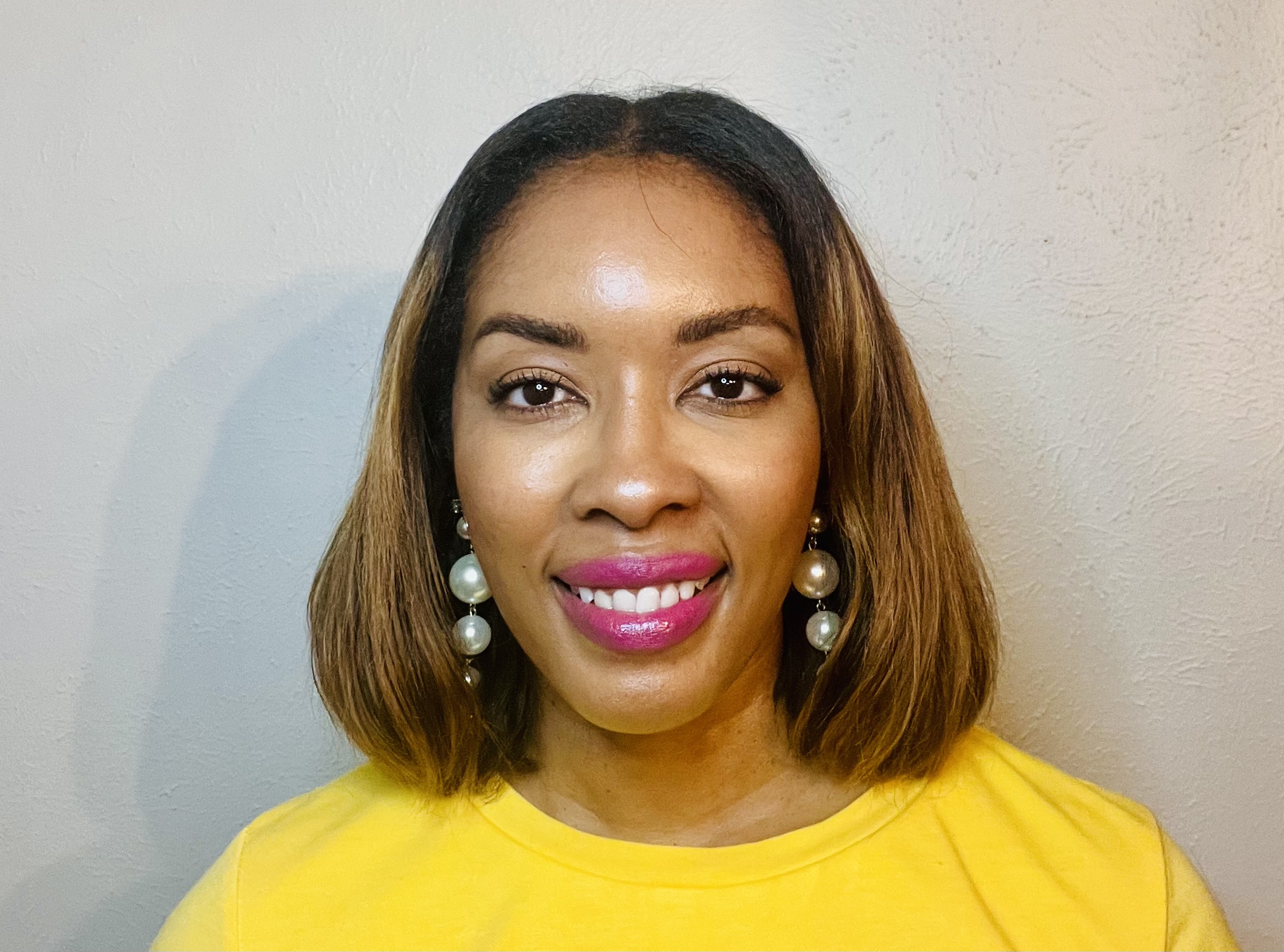
Speaker and Workshop Facilitator
Monika Robinson is a speaker, workshop facilitator, coach and education advocate with over 15 years of experience working in the education sector. She has served as an elementary school teacher, instructional coach, and nonprofit director, bringing a deep understanding of the challenges and opportunities in education leadership.
In 2020, Monika founded ReparationsEd, a company dedicated to empowering education leaders through workshops, coaching and keynote speaking. Her mission is to address equity, inclusivity, and justice within educational systems, with a special focus on equipping women leaders in education to prioritize their own wellbeing.
She holds a Bachelor’s degree in Interdisciplinary Studies from the University of Texas at Dallas and a Master’s in Education Administration from Lamar University. She also holds a Texas K-12 Principal Certificate. Her expertise is further enriched by specialized training, including certification from Harvard Online in Outsmarting Implicit Bias and Positive Intelligence mental fitness coaching. Monika’s approach blends neuroscience, mindset mastery, and equity-centered leadership.