The Grief of Leaving, the Liberation of Becoming with Candice Renee Person
In this episode of The Exit Interview: A Podcast for Black Educators, Dr. Asia sits down with Candice Renee Person, a 20-year veteran educator, organizer, writer, and soon-to-be digital nomad. Candice shares a deeply layered journey that spans classrooms in New York City, Massachusetts, Kentucky, Virginia, and beyond. Each chapter is shaped by resilience, grief, discovery, and a fierce commitment to both education and commu
Candice opens up about her unexpected entry into teaching through the New York City Teaching Fellows program and the steep learning curve of working in special education without adequate preparation or support. She reflects on the vital mentors and assistants who kept her grounded during her toughest first years, and on how family circumstances, especially the loss of her mother, shaped major career moves.
Listeners are taken inside her experiences teaching in challenging special education settings, including building a thriving, joyful classroom in an autism unit that had once been unsafe and chaotic. She speaks candidly about being treated like a pawn within school systems, constantly shuffled between placements, and what that revealed about how little care is often given to educators humanity.
Her story expands beyond teaching, highlighting her time as a writer in an MFA program, where summers abroad in Argentina, Italy, Paris, and Ireland rekindled creativity and reminded her of the importance of honoring multiple passions. She explores the challenges and beauty of raising her children while teaching, and the ways motherhood informed her approach to education.
Back in Massachusetts, Candice delved deeply into anti-racism and equity work, helping transform a local charter school into a space where community partnerships, storytelling, and racial justice were at the center.


Show Notes: The Grief of Leaving, the Liberation of Becoming with Candice Renee Person
Episode Summary:
In this heartfelt episode of The Exit Interview, host Dr. Asia Lyons welcomes Candice Renee Person, a veteran educator, activist, and founder of The Edge Tutor Hub. Candice shares her powerful journey through 20 years in education, her experiences as a Black woman navigating school systems across the U.S., and the personal and professional grief that comes with leaving a beloved career. The conversation explores the challenges and joys of teaching, the importance of community, and the liberation found in embracing new paths—including Candice’s transition to entrepreneurship and her upcoming digital nomad adventure.
Key Topics & Highlights:
- Candice’s upbringing in Springfield, MA, and her path to becoming an educator
- The realities of alternative teacher certification and the challenges of special education
- Navigating multiple school systems in New York, Kentucky, Virginia, and Massachusetts
- The impact of family, loss, and community on her career decisions
- The importance of activism, anti-racism work, and transforming schools into true community hubs
- The emotional toll and grief of leaving education, and the process of “thawing out” after burnout
- Candice’s new chapter: launching The Edge Tutor Hub, teaching online, and preparing for a digital nomad lifestyle with her children
- Shout-outs to inspiring Black educators and colleagues
- Reflections on wellness, self-care, and honoring your own journey
Guest Info:
Candice is the founder of The Edge Tutor Hub, providing high-impact, flexible online tutoring. She is passionate about education, community, and helping students of all backgrounds succeed.
Call to Action:
If you’re looking for high-impact, flexible online tutoring from an experienced educator, check out The Edge Tutor Hub. Support Black women educators and entrepreneurs!
Connect with the Show:
Subscribe, rate, and review The Exit Interview wherever you listen to podcasts. Follow Dr. Asia Lyons for more conversations uplifting Black educators.
First of all.... have you signed up for our newsletter, Black Educators, Be Well? Why wait?
Amidst all the conversations about recruiting Black educators, where are the discussions about retention? The Exit Interview podcast was created to elevate the stories of Black educators who have been pushed out of the classroom and central office while experiencing racism-related stress and racial battle fatigue.
The Exit Interview Podcast is for current and former Black educators. It is also for school districts, teachers' unions, families, and others interested in better understanding the challenges of retaining Black people in education.
Please enjoy the episode.
Peace out,
Dr. Asia Lyons
The Grief of Leaving, the Liberation of Becoming with Candice Renee Person
[00:00:00]
dr--asia-lyons--she-her-_2_09-03-2025_090242: All right folks. Welcome back to the exit interview, a podcast for black educators. It's me, your host, Dr. Asia. We're back in the studio. Um, and we have, of course, another amazing guest, Candace Renee person. Welcome to the show.
candice-person--she-her-_2_09-03-2025_110242: Hello.
dr--asia-lyons--she-her-_2_09-03-2025_090242: How are you today?
candice-person--she-her-_2_09-03-2025_110242: I am excited to be here.
dr--asia-lyons--she-her-_2_09-03-2025_090242: Yeah, I'm excited. I I, I have to tell you, you know, we've had a little chat before. Always beforehand I talked to the guests and you had a really fascinating story. So I'm excited for folks to hear your story. But before we dive in, tell us a little bit about yourself.
candice-person--she-her-_2_09-03-2025_110242: Okay. Well, my name is Candace Renee, person and I am, uh, born and raised in Springfield, Massachusetts. Um, the home of basketball, which many people don't know, and Dr. Seuss.
dr--asia-lyons--she-her-_2_09-03-2025_090242: Oh, [00:01:00] wow.
candice-person--she-her-_2_09-03-2025_110242: Yep. I've been an educator for 20 years. Um, I stumbled upon it, but it just seemed like the right fit for me, and I've taught basically, uh, most subjects and most grades from elementary level all the way to high school.
Um, I'm a community. I'm a child of an organizer, so I'm an organizer and an activist by heart, and I love to engage in community work. And so that's my passion to be of service. Um, I have two children, a 10-year-old and a 20-year-old. And, um, I don't know, I guess I'm just, I'm excited to be here. Um, I, I'm a dreamer and I dream about a digital nomad life, and this was a dream that I started to cultivate many years ago, and now I'm mere months away
dr--asia-lyons--she-her-_2_09-03-2025_090242: Wait, wait, wait. that don't give it all away. Wait a minute. We want the, to listen to the end of what, what this digital no bad life is. You can't give all.
candice-person--she-her-_2_09-03-2025_110242: [00:02:00] Well, giving them a little taste.
dr--asia-lyons--she-her-_2_09-03-2025_090242: Yes. And um, and I love, you have a tent and you're on a 20-year-old, and I, every time I hear that gap, I think, woo. We were out the woods. You was no diapers. We was good to go and we went right back in. But, that's how it is. Sometimes
candice-person--she-her-_2_09-03-2025_110242: Yeah.
dr--asia-lyons--she-her-_2_09-03-2025_090242: and they kids bring joy to our lives
candice-person--she-her-_2_09-03-2025_110242: Yes. Yeah, they're good. I have some good kids. I'm lucky. I'm blessed.
dr--asia-lyons--she-her-_2_09-03-2025_090242: awesome.
That's awesome. Um, so let's go ahead and get started. You were in education, obviously, on the show for that reason. Tell us what made you decide, or who made you decide that education and teaching was for you?
candice-person--she-her-_2_09-03-2025_110242: So it's funny because I didn't grow up dreaming of being a teacher. You know, I used to think I wanted to be a community organizer, but I realized they don't really pay that much.
dr--asia-lyons--she-her-_2_09-03-2025_090242: Mm-hmm.
candice-person--she-her-_2_09-03-2025_110242: Um. I stumbled upon it. So I went to Harvard University and I was in my senior year trying to figure out if I wanted to go to grad school and what that would look like for me.
And a friend told me about [00:03:00] a program called New York City Teaching Fellows and she was like, the application is coming up, you should apply. I was able to make the application deadline right on the nose. I had everything that I needed to apply. And the next thing you know, I'm headed to New York City, um, to do a, a group lesson and a demo.
And I remember it was a lesson about cliches and it was, you know, you do the fake lesson in front of like a, your peers and they may pretend that they're students. As soon as I got in front of the group, it just, something clicked for me. And it just felt like the most natural thing for me to be doing to teach because I didn't feel awkward.
And I'm a very introverted person, but something about standing up in front of everyone, it just like, I just like fell into this naturalness. I was flawed, I was laughing at my own jokes, I was engaging and it was a really fun and dynamic lesson. And from there I was like, okay, okay. [00:04:00] Um, and, and I started to become really excited about the possibility of teaching
dr--asia-lyons--she-her-_2_09-03-2025_090242: Ah.
candice-person--she-her-_2_09-03-2025_110242: and that was kind of my introduction to it.
And eventually I was placed, I started teaching in the Bronx and I was a seventh grade special education teacher, and that was one of the hardest years of education I've ever had in my life. I had about five to seven students, all boys, and it felt like 30.
dr--asia-lyons--she-her-_2_09-03-2025_090242: yeah.
candice-person--she-her-_2_09-03-2025_110242: I had non-readers. I did not know how to teach students how to read.
I had behavior problems. I did not know how to manage the behaviors. And, but for some reason, I just still felt this drive to be there. And I never felt like this is not for me. Luckily, I had some, a couple of people who were supportive. I had a strong assistant who had some experience in the field and showed me what family engagement looked like and how that could really change the dynamic of your classroom.
And I had a [00:05:00] mentor who believed in me and recognized that I wasn't getting the support, I didn't have the resources that I needed to be the best that I could be. And because of them, I stayed. And I realized that, okay, first of all, I'm teaching in New York City. I feel like if you make it in New York City, you can make it anywhere.
And I, I was teaching in a very hard situation. Um, the most resounding message I received from my supervisors was keep those kids in the classroom.
dr--asia-lyons--she-her-_2_09-03-2025_090242: Mm-hmm.
candice-person--she-her-_2_09-03-2025_110242: So I just felt like I was on an island and I had to figure it out. But I did, and that's kind of what led me to be in education and realize that it's what I wanted to do.
Um, and from there, next thing you know, it was 20 years later, you know, and I had taught most subjects as a special education teacher, as in the English language arts teacher. I moved to Virginia, I moved to Kentucky. I came back home and taught and, and I,
dr--asia-lyons--she-her-_2_09-03-2025_090242: home for you?
candice-person--she-her-_2_09-03-2025_110242: Massachusetts. So I came back to Massachusetts and I taught, and so it just, that's kind of what happened.
I ended up staying in education for a long [00:06:00] time. I had a range of roles. Eventually I became an administrator, I was a coach
dr--asia-lyons--she-her-_2_09-03-2025_090242: Well,
candice-person--she-her-_2_09-03-2025_110242: of,
dr--asia-lyons--she-her-_2_09-03-2025_090242: you for a second before you get into that because I wanna, I wanna kind of stop step back a little
candice-person--she-her-_2_09-03-2025_110242: mm-hmm.
dr--asia-lyons--she-her-_2_09-03-2025_090242: your journey as far as like New York City. And actually I wanna go back a little bit further than that. You were graduating from Howard, so this is how far back in the story I wanna go.
She, uh, Candace is running ahead of me, folks, but I gotta sword out 'cause I, I got, I have so many questions. So the first thing is, you know, um, your, you mentioned that you went to Howard University, you said that, and then you've discovered teaching in this way. What was the conversation with your family? When you, told them or community or whoever that you were going to go into teaching, when you didn't go to Howard to become a teacher, what was that conversation like?
candice-person--she-her-_2_09-03-2025_110242: I am a first generation college student, so even the idea of going to Howard [00:07:00] University was something beyond, I thought I was going to be to a state school. I had a full ride to a couple of colleges local to me, but when that acceptance letter came to Howard University, I said, I don't know how I'm gonna afford it, but I'm going.
dr--asia-lyons--she-her-_2_09-03-2025_090242: Yeah.
candice-person--she-her-_2_09-03-2025_110242: So I didn't, there really wasn't. This vision of, well, you're gonna go to Howard, you're gonna get the most lucrative major and you're gonna do this. It was just like, this is something that we've never experienced and we are just so amazed and grateful that, you know, we're able to do this. So there wasn't that, that, that, that push or, or kind of like expectation.
It was kind of like, figure it out.
dr--asia-lyons--she-her-_2_09-03-2025_090242: As long as you're in college and long as you finish, we just proud of you no matter what.
candice-person--she-her-_2_09-03-2025_110242: And I knew that I wanted to get a master's. Like I always had a six year vision for my education, you know, where I'd do a four year degree and a two year degree. So I didn't have that, luckily that I didn't have that pressure to kind of fit [00:08:00] into a certain mold. I finished, you know, I, I, I stuck and I finished within the time that I said I was gonna finish and I had a plan for what was next.
So, um. When I said I was gonna be a teacher, I didn't really, I don't, I didn't receive any negative feedback. It was like, okay,
dr--asia-lyons--she-her-_2_09-03-2025_090242: Yeah.
candice-person--she-her-_2_09-03-2025_110242: you know, this is what you're gonna do. Um, and I think there was a trust, you know, I, I'm coming from a single mom household, and my mother always trusted me. You know, she, she trusted me.
She gave me trust. I, I, I felt her trust since I was 13, 14 years old. And she believed in the decision that I made. And so there was always a support there. So it was just like, okay, this is what you're gonna do. And, and there was that support and as best as she could, and, and my other family and community members just supported me.
So luckily I didn't have any negative experiences. I remember at one point, my mom even said, you know, my grandmother, she wanted to be an educator.
dr--asia-lyons--she-her-_2_09-03-2025_090242: Um,
candice-person--she-her-_2_09-03-2025_110242: [00:09:00] She wanted to go to Cheney State, you know, in Pennsylvania. And she wanted to be an educator, but she wasn't able to do that. But there was never any, like, there was never, it was always positive.
dr--asia-lyons--she-her-_2_09-03-2025_090242: That's awesome. I ask you, because there are folks who have the similar story to you. It's like, as long as you're going to school, as long as you're taking care of yourself and you feel really good in your heart about what you're doing, go for it. And then we also have folks who come on the show that say, my parents said, you are wasting brilliance being a teacher.
Or why would you do that? Because you're not gonna be paid well. And it's always these, these always, there's conversations, um, a around the career move. And so I'm always curious to know what, how families and communities are or are not supporting, um, the teachers. I think the next question kind of fast forward is the New York Teaching Fellows. You finished a program and how many, how long did it take?
candice-person--she-her-_2_09-03-2025_110242: The New York City Teaching Fellows, it's a two year program.
dr--asia-lyons--she-her-_2_09-03-2025_090242: So it's a two year program, but you, [00:10:00] you come out not, but, and you come out and you start teaching special education and realize that you're not prepared. What was going on in your mind? I have to know, what were you thinking about when you're like, uhoh,
candice-person--she-her-_2_09-03-2025_110242: So,
dr--asia-lyons--she-her-_2_09-03-2025_090242: too, it wasn't like it was a overnight mail in your mail, in the, uh, information and you get a paper, some kind of like fake degree or fake program.
This was intense. Two years is a long time, but you, you still felt like you came out and you weren't prepared to support your students. So what was going on in your mind when that was happening to you that you realized that?
candice-person--she-her-_2_09-03-2025_110242: okay, so let me explain how the alternate certification pathways go.
dr--asia-lyons--she-her-_2_09-03-2025_090242: Please
candice-person--she-her-_2_09-03-2025_110242: They're learn as you go, so they don't wait two years for you to finish a degree. I started teaching within months of graduating from college.
dr--asia-lyons--she-her-_2_09-03-2025_090242: okay. Okay. Got it.
candice-person--she-her-_2_09-03-2025_110242: I, I graduated in May. I moved to New York in July, and I started my training. And I did, uh, like a student teaching, which is like [00:11:00] summer school, so that might be four weeks in the middle school classroom where I'm doing student teaching. At the same time, I'm also attending classes, so I'm doing graduate school because the draw of these type of programs is they subsidize your master's degree.
dr--asia-lyons--she-her-_2_09-03-2025_090242: Okay.
candice-person--she-her-_2_09-03-2025_110242: So I'm learning. And so like when they're saying, oh, we're gonna make a lesson plan for our class, it's a real lesson plan that I'm probably gonna use in class. So within months of me arriving, graduating that following September, I was starting my first day as an educator. And that's why I wasn't prepared because I didn't have two years.
By the end of that two years, I, oh, by the second, by the end of that first year, I felt like I knew something. But by the by in that first day in September, in that first month, I wasn't prepared. And that's how a lot of these programs are designed.
dr--asia-lyons--she-her-_2_09-03-2025_090242: Mm-hmm. It's interesting that you, oh, I'm sorry. Go ahead. Go ahead. I said it's interesting that, um, you're describing [00:12:00] this because I feel like. Even in some people who do a traditional four year program, I feel like I still won't be prepared whether you went four years in an education program and finished, or you alternative licensing.
Like regardless, you're 21, 22, 23, come outta school for many people, um, if it's a first career and you're in a classroom and it's like it's go time, right?
candice-person--she-her-_2_09-03-2025_110242: Yep.
dr--asia-lyons--she-her-_2_09-03-2025_090242: you're also describing, like you said, special education is a very specific type of licensure and a skillset that, that people have typically go back to school for, or get special training for.
Lots of different things. So, um, yeah. Hats off to you. So you went to New York, you worked there, you've dotted around a lot. Tell us about why the moving around, what were you teaching, what were you doing when you were going from state to state in, um, in education, I.
candice-person--she-her-_2_09-03-2025_110242: The intention was not, it wasn't like planned where I was like, I wanna [00:13:00] teach everywhere.
dr--asia-lyons--she-her-_2_09-03-2025_090242: Yeah.
candice-person--she-her-_2_09-03-2025_110242: It just so happened that family and life changes, and I believe that everything happens for a reason and you're where you're supposed to be. So I was in my third year of teaching in New York, and at that point I was in a groove.
I was enjoying it. Um, I, I believe I, I ended up. Following my students. So I ended up teaching them from sixth to seventh grade at one point. And I had a co, I had a couple of co-teachers that were phenomenal. We partnered well, we developed a great collaborative model. We learned from one another. We supported one another.
However, it was still difficult for me and I, and I was missing home,
dr--asia-lyons--she-her-_2_09-03-2025_090242: Yeah.
candice-person--she-her-_2_09-03-2025_110242: and I was talking on the phone to my mother, and I remember, I, I remember that, that it was hot because New York is great, but when it's hot,
dr--asia-lyons--she-her-_2_09-03-2025_090242: Yeah. I've been there. I've been there in
candice-person--she-her-_2_09-03-2025_110242: it's like,
dr--asia-lyons--she-her-_2_09-03-2025_090242: terrible.
candice-person--she-her-_2_09-03-2025_110242: oh. And I was, I stand at the bus stop and I was like, Ooh, I can't stand. And my mother's like, just come home, [00:14:00] Candace. Come home, Candace. And I was struggling and I was missing home. And I just needed more support because I did cultivate friendships, but nothing's like family.
dr--asia-lyons--she-her-_2_09-03-2025_090242: Sure.
candice-person--she-her-_2_09-03-2025_110242: And when she said that, I just felt like relief.
I was like, okay. So I made the decision to come back home and. Everything happens for a reason.
dr--asia-lyons--she-her-_2_09-03-2025_090242: Mm-hmm.
candice-person--she-her-_2_09-03-2025_110242: I came back to Massachusetts and I started teaching at a middle school, um, in a community close to you. You probably heard of like Smith College, UMass Amherst. So I, I moved close to in the, in, in, in those college towns.
And I started teaching at a middle school. And that was an interesting experience. And at the same time I was closer to my mom, you know, and so I got a chance to spend more time with her and my siblings. And then unfortunately, and, and then, and then at that point, my son was one or two [00:15:00] years old,
dr--asia-lyons--she-her-_2_09-03-2025_090242: Mm-hmm.
candice-person--she-her-_2_09-03-2025_110242: and so she had the chance to get to know my son and all of those things.
But then unfortunately, she passed away unexpectedly in 2007.
dr--asia-lyons--she-her-_2_09-03-2025_090242: Hmm.
candice-person--she-her-_2_09-03-2025_110242: So within about a year, a little over a year of me being back home, my mother passed away.
dr--asia-lyons--she-her-_2_09-03-2025_090242: Wow. Yeah.
candice-person--she-her-_2_09-03-2025_110242: So it was like I needed to be home. You know what I mean? There was a reason why I came back home. So, but then, then I felt disconnected. I felt like displaced.
Like, this is not home anymore. My mom's not here. What am I doing? And I just felt so lost.
dr--asia-lyons--she-her-_2_09-03-2025_090242: Sure.
candice-person--she-her-_2_09-03-2025_110242: Um, like I said, I'm a child of an organizer and I always introduced myself that way because my earliest memory is of me marching for fair wages, um, in my neighborhood. And I always used to be one of those little kids that when my mother was organizing, I was in the background, uh, playing, listening, you know, maybe participating in some way.
And I've [00:16:00] always been witness to my mother's organizing work to the point where eventually I always, I organize, I'm an organizer now, and that was a life that I thought I would live. So when I'm looking around my community and I see all these places and spaces, all I see is this organizing history and this impact, you know?
And it just was a lot for me.
dr--asia-lyons--she-her-_2_09-03-2025_090242: Sure. Sure.
candice-person--she-her-_2_09-03-2025_110242: Yeah. So my brother, he, he was a student at University of Louisville and he kept telling me how much of an amazing place it was. Um, I was looking for somewhere that would be good for my son that would have a lot of enrichment and also still be connected to family. And I just felt so disconnected from Massachusetts.
I went to Kentucky because I couldn't be here anymore. Um, so that, that's how I ended up going to Kentucky. I think for me it's always searching. I'm always searching, and it's not because I'm unhappy, it's just because there's so much [00:17:00] life to experience and to understand and to know I'm a learner, you know?
dr--asia-lyons--she-her-_2_09-03-2025_090242: Yeah.
candice-person--she-her-_2_09-03-2025_110242: So. I went to Kentucky. And you know what, it's funny because when I moved to Kentucky at that point I was like, I'm not teaching anymore. And I actually, because there's, because I have other passions,
dr--asia-lyons--she-her-_2_09-03-2025_090242: Sure.
candice-person--she-her-_2_09-03-2025_110242: uh, I'm a writer. I always had a vision of myself, like creating my own lifestyle and, and, and writing being the, the mode that will allow me to do that.
And I've always written short stories as a way of healing and processing. I've been a, I'm a journaler, so I went to Kentucky and I did not have a job and I didn't know what I was gonna do, but it was a great, it was a great time.
dr--asia-lyons--she-her-_2_09-03-2025_090242: Yeah,
candice-person--she-her-_2_09-03-2025_110242: You know, it's funny when you think about like, people choose teaching a lot of times because of the stability, right?
dr--asia-lyons--she-her-_2_09-03-2025_090242: sure. Yeah.
candice-person--she-her-_2_09-03-2025_110242: [00:18:00] Because you get a check, you get your summers off, you get a pension and.
dr--asia-lyons--she-her-_2_09-03-2025_090242: won't admit that. They won't, they'll say, I love it for the children, and many people do it specifically just for children, but there are some benefits that people don't often talk about that are good in teaching that you know, the, like you said, the pension and most, like pension is not a thing for a lot of careers now, um, in the summers, uh, maybe you are still doing lesson plans and you're still recuperating, but you do have some time to connect with family and community in the summer.
So, yeah, I get that.
candice-person--she-her-_2_09-03-2025_110242: And a lot of people like to say teaching doesn't pay. But I don't say that
dr--asia-lyons--she-her-_2_09-03-2025_090242: Hmm.
candice-person--she-her-_2_09-03-2025_110242: pays me because I've been doing it for so long and because of my education, it's very, it's a very, uh, financially comfortable work for me. However, that's not why I stepped away, right? So, um, but I, there was just other things that I wanted to do, and [00:19:00] so I was trying to figure it out.
But this is the thing. I don't know if you remember, 2007, 2008. So in 2008, George Bush was the president and we were in the, the deaths of one of a, a recession. I could not find a job to save my life. I could not figure it out. I actually, for a year and a half, I applied and applied. I had a, I had a journal, just all these jobs, you know, 'cause I'm a lister and so I had all these jobs.
Nope, nope, nope, nope, nope. So I eventually started tutoring and I became an in-home tutor. So once again, I'm back in education, but it was okay, more flexible because I was an in-home tutor. But I also started to volunteer. And I started to volunteer doing some writing work, like some resume writing and some editing work.
Which I eventually got paid for. And I also [00:20:00] volunteer with a nonprofit organization, and I learned a little bit about nonprofit work. So I learned about like, press releases and grant writing and, um,
asking, you know, making, you know, pitching your, you know, your ideas and asking for the things that you want, and having these strategic lunches. And it was really cool. You know, like I'm at the top floor, like these fancy hotels, like with these business people. It was, it was really cool. I wouldn't have been able to experience that if I was in education.
dr--asia-lyons--she-her-_2_09-03-2025_090242: Sure.
candice-person--she-her-_2_09-03-2025_110242: So I did that for a while. And then I enrolled in college again, so this would be my third time. And there was a program in Louisville, Kentucky at Spalding University called the Low Residency, MFA. So low residency, MFA is, um, is a creative writing. Well, it's a, it's a, it's a fine arts degree. And so the program is a creative writing program, so you can do poetry [00:21:00] screenwriting.
I took the fiction track, the low residency, MFA means that this was really cool and this is why I did it, and I'm so thankful. Um, it gave me the opportunity to study in another country every summer, writing and engage in workshop and enrichment and cultural experiences. And then for the following, after you return for the year, you work with a professor and you correspond virtual digitally or like you send like snail mail and you send your work packets.
So you, you, you work your writing in your own time and then you correspond and you send a series of packets that have to have like 20 and 30 pages of writing critical analysis, creativity, lectures.
dr--asia-lyons--she-her-_2_09-03-2025_090242: wow.
candice-person--she-her-_2_09-03-2025_110242: Yep. So I was able to, when I moved to [00:22:00] Kentucky and I wasn't teaching, it gave me space to think about all the other possibilities for myself.
And if I didn't move to Kentucky and if I was still teaching, I may not have applied to the Spaulding University program, and I might not have explored my creative writing. But because I was in that program, I, my, I first went to Argentina for a summer. After that, I went to Italy for the following summer.
After that summer I went to Paris, and then my last summer I went to Ireland.
dr--asia-lyons--she-her-_2_09-03-2025_090242: Can, can I just pause you for a second? First of all, all of that sounds fantastic and I just, yeah. All I is, I can just imagine it's good food and flowy dresses and Right. but you're making a really good point about all of the skills and talents that educators have. and I'll speak specifically to black [00:23:00] educators that we have that because we choose teaching and for many of us to stay teaching, for 20 years, 15, whatever, we don't quite explore or explore as much as we could, all the other skills and talents that we have. And what would it mean for us to have a two year break or a three year break? From teaching in, in, in a dream world where we could afford to pay for it, whatever, and then explore whatever skill, passion that we have, and then we can choose to go back into our classrooms or being deans or whatever, or continue to explore that passion because we are multi-passionate people as human beings, let alone as educators.
And so, and I wonder too, and I'm sure you will get to this, about how better, how much better we are for our students, for the system of education when we are able to explore these other parts of [00:24:00] ourselves for a good chunk of time. You know what I mean? So, yeah. So continue. So you, you, you are traveling all over, you finish up, and during this time you are not teaching at all.
candice-person--she-her-_2_09-03-2025_110242: So I eventually did go back
dr--asia-lyons--she-her-_2_09-03-2025_090242: Mm-hmm.
candice-person--she-her-_2_09-03-2025_110242: year, I was like, okay, I think I can go back
dr--asia-lyons--she-her-_2_09-03-2025_090242: Okay.
candice-person--she-her-_2_09-03-2025_110242: my, at this point now, remember I moved, I moved back to Massa. I moved to, well, I moved to Kentucky when my son was three,
dr--asia-lyons--she-her-_2_09-03-2025_090242: Right.
candice-person--she-her-_2_09-03-2025_110242: so eventually my son was starting kindergarten. When he was starting kindergarten.
I said, all right, maybe I'll go teach elementary. Since my son's going back to school, maybe I can be on the same schedule as him.
dr--asia-lyons--she-her-_2_09-03-2025_090242: Okay.
candice-person--she-her-_2_09-03-2025_110242: I started to really value the time that I had with my son. I think that was so powerful to be able to, and I had a little bit of that in Massachusetts too, where. We got this wake up when we wanna wake up.
And, and me and my, my children, we love libraries. So we [00:25:00] explore all the different libraries and the free community events and go to a cafe that has like a play place in the back, in the middle of the day. Like, take 'em to the park, go for a walk on a bike path. Like, I love that. And I wanted more of that.
And so when he started school, I was like, well, at least if I'm on his schedule, I can make money, but also still be able to have that same time with him.
dr--asia-lyons--she-her-_2_09-03-2025_090242: Sure.
candice-person--she-her-_2_09-03-2025_110242: So I was like, okay. And at this point I had never taught elementary, I had only taught middle school. So I started interviewing and I remember the interview that I, I got the job and I said, I gave the story.
I said, you know, my son's starting kindergarten. I know I haven't taught elementary, but I know that I can do it. You know, I know that I can do it. And they were convinced and my son started kindergarten and. He went to the same school that I worked at all throughout his elementary experience. We stayed together.
dr--asia-lyons--she-her-_2_09-03-2025_090242: I want, I wanna just pause you for a second. Audience. If you are [00:26:00] watching, if you're not on YouTube watching this, you're listening to this on Spotify or somewhere else, Candace is smiling the whole time thinking about her son and this experience. I just have to point that out. And she's just smiling and smiling and smiling, and it's making me smile that she's reminiscing on spending time with her son during those times.
So I just wanted to point that out. But go ahead.
candice-person--she-her-_2_09-03-2025_110242: Well, you know, I really love my children and, you know, being a mother and, and, and being present for them is very important to me. You know? Um, so once he started school, I went back
dr--asia-lyons--she-her-_2_09-03-2025_090242: Yeah.
candice-person--she-her-_2_09-03-2025_110242: and so, well, a little, I would say a little bit before he went to school. I, I went back and then he joined me, so. I started teaching special education and I was more, I wasn't a self-contained, I'm not sure if you know the difference, but a self-contained teacher has their own unit and they're usually in a room with a couple of assistants and they have like their cohort of students that they work within.
And those students can be a range of [00:27:00] grades and disabilities. When I first went as a special education teacher, I was what you would call a resource teacher. So I would do a lot of pullout support or I would collaborate with the general education teacher. So, and I really enjoyed that. So I did that for a while.
My son came to my school and so that was always the, the, the, my son never rode a school bus all throughout elementary 'cause he rode with my, he ain't had to.
dr--asia-lyons--she-her-_2_09-03-2025_090242: Flex. Flex.
candice-person--she-her-_2_09-03-2025_110242: So, um, yeah. So I taught, I ended up staying in Kentucky for six years.
dr--asia-lyons--she-her-_2_09-03-2025_090242: Mm.
candice-person--she-her-_2_09-03-2025_110242: Um, so all throughout kindergarten, first, by the time he got to fifth grade, and I still kind of stayed in those same roles. But the thing about special education that I have found, and this is one of the frustrations with teaching, sometimes they just treat you like a, a, a chess piece.
You're in the district, you can go wherever we say, you know, we, you know, we're, it is all the same [00:28:00] company. So I'm in the middle of like, I finish a grading cycle or you know, it's private support time, and I'm attached to my students and I have all this good data, and they come to me and say, oh, you need to go here now on Monday.
It's Friday. On Monday, you're here now. You know? And that happened to me so many times, and it just was like, oh, you know, it just kind of turned me off. It's like they're not treating me like a human.
dr--asia-lyons--she-her-_2_09-03-2025_090242: Sure.
candice-person--she-her-_2_09-03-2025_110242: So because I had to move, my son had to move because the, the district policy was, you know, he can go, you know, but it's out of district.
But he has to follow the parent. So eventually my, I, I, they switched me from one elementary school to another, and I was really attached to this elementary school. Like it was a good sense of community. I really enjoyed it. We had so much fun. We went camping together. We had great Christmas parties, we had always a great end year celebration.
It was a nice sense of community, and I was really heartbroken, you know, I was connected to that school and they put me in a self-contained unit, an autism unit. [00:29:00] So a lot of the students had autism. We had students that had, uh, down syndrome. Um, we had students that had other types of disabilities and the student ages were, it was a, it was a elementary school, so I had a kindergartner and a fifth grader.
It was just rain. I had this, and I had two assistants. And so what happened was, I remember this was October, um, I guess the current teacher, she just said, I'm not doing this anymore. So she left. And they needed someone in the classroom and they decided it was me. And I remember feeling so angry and so resentful because I'm a human.
Like I'm doing this because I wanna do this. I chose this job. Why am I being treated this way?
dr--asia-lyons--she-her-_2_09-03-2025_090242: Mm-hmm.
candice-person--she-her-_2_09-03-2025_110242: And I didn't, I felt like I didn't have a choice. So, and I, and once again, I'm putting in a situation where I'm not equipped. I've never taught this severe of a disability. I'm, my degree is moderate disabilities.
It's all right. You could figure it out. Moderate. I don't have the certification for this, but in their mind, special ed is special [00:30:00] ed.
dr--asia-lyons--she-her-_2_09-03-2025_090242: Which, what does that say about the ways that our education system and, uh, our students and believes in our students and with their capabilities,
candice-person--she-her-_2_09-03-2025_110242: Mm-hmm.
dr--asia-lyons--she-her-_2_09-03-2025_090242: By not providing them the resources that the adequate resources they have. Obviously you're gonna show up and do what you need to do and do your best, but they're like, whatever.
It's all the same. Speaks to the ways that we as a community need to make sure we advocate for our children, because school systems will not do so.
candice-person--she-her-_2_09-03-2025_110242: Yeah, so,
dr--asia-lyons--she-her-_2_09-03-2025_090242: Yeah.
candice-person--she-her-_2_09-03-2025_110242: so, you know, I'm always gonna do what's, you know, I'm here for the young people, I'm here for the children, and so I'm always gonna do what's in the best interest of the students. So I worked in that unit for three years, and over that time, honestly, I got better and better. I turned that class, now I'm go, I'm entering a class.
And the, the person quit because the students were not safe. There was biting, there was hitting, there was what they call eloping. Um, and [00:31:00] the assistants were frustrated. They, they're bruised up. You know, by kids. And, and in order to teach in that type of class, you have to have not, you have to have a training, it's like a form of nonviolent self-defense.
And you have to update it like every month or every other month, where you go to a class after hours and you learn these moves like, um, pivot and I can't even remember the name of these holes, but like, you have basically how to, how to hold students safely so they don't harm themselves or others. You're wrapping, you're learning how to wrap your legs and arms around them and how to escort them in a safe way without like digging your finger.
It's, it's just, it's, it's amazing how, what, what I had to do
dr--asia-lyons--she-her-_2_09-03-2025_090242: Yeah.
candice-person--she-her-_2_09-03-2025_110242: and I remember it. The funniest thing that I always think about when I think when I remember that time is I always still wore my dresses and my flats. Like I always like, like little Valerie flats and dresses. And when I got into that class, there would be many days that I'm running down the street and my dress
dr--asia-lyons--she-her-_2_09-03-2025_090242: [00:32:00] Sure.
candice-person--she-her-_2_09-03-2025_110242: I'm like, I'm gonna be cute.
Listen. It is what it is. I'm still, I have to have something. Right? I have to have something like, you took away my choice. So, but, but I'm proud of myself because once again, I didn't give up. But also because that class was amazing. By the time I was done with them, I have videos of my students. We have such, such amazing, like, we would dance and sing and, you know, they were safe, you know, um, they were reading, you know, I had a student that refused to talk.
Mm-hmm. Nope, I'm not saying a word, but you best believe. I was like, oh, you don't wanna talk? I, alright, we gonna match these pictures right here and push these little pecs around. And so there was success and, and it was, I was, it was a powerful time for me and I learned a lot about myself. About resiliency and, and what I'm capable of.
You know, I had, I, I developed my leadership skills because [00:33:00] my rule in my class, I had two big, big kind of non-negotiables for myself. I'm not gonna ask my assistants to do anything that I'm, I don't know how to do well first, and we're always learning.
dr--asia-lyons--she-her-_2_09-03-2025_090242: Mm-hmm.
candice-person--she-her-_2_09-03-2025_110242: are my two non-negotiables. And so no matter what was happening in our class, there's always an opportunity for learning.
So even if I had one of my students that needed some to be held or hugged on in the back of the room on the beanbag corner and calmed down, my assistants knew exactly what to do to keep the learning going at all times. And, and what happened was it created such a safety and such a powerful experience and my students demonstrated so much success.
We took field trips all over the place and you know, we had our routines where before we walked out of the classroom, we would look around, we would line up and I had to have special doorknobs. 'cause I had kids that elope and they're like, you knew who to hold so you'd be okay. I got his wrist. Okay, she's standing here.
Alright, we ready y'all? Alright, let's go walking. We would just, we had it, you know, we had it down and it just, it was a very [00:34:00] great success. Three years in that classroom. Then guess what happened? At the end of my third year, my principal, she pulled me into her office and she was mad and I thought she was mad at me, but she was just angry.
She said, you're going to a new placement. They're dissolving your classroom,
dr--asia-lyons--she-her-_2_09-03-2025_090242: Oh wow.
candice-person--she-her-_2_09-03-2025_110242: they're gonna split your students up between the other two units and you're going to go somewhere else. And I don't know where that is. So once again, I spent a whole summer not knowing, and then like a, a couple days before school started saying, oh yeah, you're gonna go to this high school.
So then I'm in a high school, and then I have, once again, I'm, I'm, I'm, I have a combination of classes. I was teaching algebra, geometry, and English language arts,
dr--asia-lyons--she-her-_2_09-03-2025_090242: In a general education classroom or
candice-person--she-her-_2_09-03-2025_110242: special ed, ninth and 10th graders, and they would rotate into my [00:35:00] room.
dr--asia-lyons--she-her-_2_09-03-2025_090242: wow.
candice-person--she-her-_2_09-03-2025_110242: So, I mean, it's, I, I count it as a blessing because that's why I can say things like, I've taught most grades in most subjects,
dr--asia-lyons--she-her-_2_09-03-2025_090242: Sure, sure. Yeah.
candice-person--she-her-_2_09-03-2025_110242: right? However, the, the way that I kind of was treated as like this pawn that can be shifted and pushed around was so frustrating for me, you know, so.
I worked there for a bit of time, but I think I was kind of done, that was like my second or third time where they kind of like sprung this thing where it's like, well, you're going here now you have to move. So I ended up moving and at that point I was married, I had my daughter and my son was just finishing elementary and it's time for him to go to middle school.
So I was like, okay. And Kentucky to Massachusetts is about 800 or 900 miles. It's a 15 hour drive. It's very far. So I wasn't able to see my family often. So we made a [00:36:00] compromise of Virginia because Virginia is halfway between Kentucky and Massachusetts, and my husband has some family there. So we moved to Virginia and that's why I moved to Virginia and to raise my daughter and son closer to my husband's family.
And I started teaching in Virginia. And I stayed in elementary school, but I once again went to being more like a resource teacher
dr--asia-lyons--she-her-_2_09-03-2025_090242: Mm-hmm.
candice-person--she-her-_2_09-03-2025_110242: I was doing more pullout and collaboration and co-teaching. Mm-hmm.
dr--asia-lyons--she-her-_2_09-03-2025_090242: How did that feel to. Uh, I mean, you were moving the timing, you know, it was what it was. How did it feel to be in another classroom and starting all over again in a whole different state? Did, at this point, did it feel like they could move you at any time and not to get comfortable in that place? Or did you feel like, okay, I think give it all a fresh start and maybe it'll just work out?
Like what was the, your mindset during that time and what was [00:37:00] happening with your writing? Because you did, you had this, um, fine arts degree, so were you still able to do some of the things that you loved, other things that you loved you were teaching?
candice-person--she-her-_2_09-03-2025_110242: So that's the challenge. The writing was not happening. Um, but um. I didn't, I was, I, I have to admit, there was some anger when I, at the Kentucky district that I was working at because it was like they didn't treat me right. And it's funny 'cause even when I resigned, it was just like, all right, bye.
dr--asia-lyons--she-her-_2_09-03-2025_090242: Yeah.
candice-person--she-her-_2_09-03-2025_110242: There wasn't any kind of like close out or exit interview.
It was like, I, bye. It was like, okay, well, and so I just welcomed the new start and the new opportunity. Virginia's absolutely beautiful. Um, and they have really have some good schools. Um, so I was hopeful and excited for the change. So we were there for a while. [00:38:00] Mm-hmm.
dr--asia-lyons--she-her-_2_09-03-2025_090242: So when I talked to you in our like pre-talk, pre-check, we had a conversation about getting into DEI and really being in a space of like challenging and, and that, and that the script was kind of flipped after a while. Is, is that in Virginia or is this in a different place?
candice-person--she-her-_2_09-03-2025_110242: So this is an interesting thing about when you're in the South, and I always say, like I said, I'm an activism and I'm an anti-racist organizer.
dr--asia-lyons--she-her-_2_09-03-2025_090242: Yeah.
candice-person--she-her-_2_09-03-2025_110242: They don't have those conversations down there.
dr--asia-lyons--she-her-_2_09-03-2025_090242: Yeah,
candice-person--she-her-_2_09-03-2025_110242: They, it's almost like, well, if I'm not calling you the N word, then I'm not racist.
dr--asia-lyons--she-her-_2_09-03-2025_090242: sure.
candice-person--she-her-_2_09-03-2025_110242: And there's a lot of, there was even, even if I did experience like ex have experiences where it was like, oh, with microaggressions or you know, blatant racism.
Like at one point I was having a conversation and it was a difficult conversation with a counselor. Kentucky. She's like, you're yelling at me. And I said, I'm not yelling. You know, [00:39:00] like those type of things. And when I had shared it with other black colleagues, they'd like, girl, just ignore them. Don't worry about it.
You know, it was that in Massachusetts, we have those conversations on the East Coast, and even when I spent time on the west coast, we have those conversations and, and we are real about like, what, what the microaggressions and, and, and white supremacy organizational culture and what that means for us.
You know, it, it doesn't have to be blatant for it to be harmful,
dr--asia-lyons--she-her-_2_09-03-2025_090242: Mm-hmm.
candice-person--she-her-_2_09-03-2025_110242: but when I was in the South, those conversations didn't happen. I definitely missed the activism side of me when I was living in Kentucky and Virginia because that's not where it happened. Um, I moved back to Massachusetts. I finally felt like I could come back home and I needed to come back home because once again, you, I needed my family.
dr--asia-lyons--she-her-_2_09-03-2025_090242: Mm-hmm.
candice-person--she-her-_2_09-03-2025_110242: So I came back to Massachusetts when my daughter was two years old. Um, unfortunately Virginia didn't work out, and, and I, I went through a really difficult time, so I came back home to Massachusetts [00:40:00] and before I came back to Massachusetts, I remember interviewing for schools and I knew I was gonna be home.
And I knew what that meant for me because my community raised me. Like I always remember one, my mother was always involved in my schools, and I was, even though my mother was like in elementary, I should say, and, and I, and I benefited from that. And I see what it, it's like when a school is really connected to community and, and what that feels like for me as a child and how it empowers me.
But then when I got into middle school and high school, my, I experienced schools that were disconnected from community. And so all of my, all of my support and my enrichment and my exposure to different experiences came from. My local community center. So like I went to the Dunbar Community Center and Dunbar had everything.
I went to Dunbar for everything from the time I got into sixth grade all the way up until almost when I [00:41:00] graduated high school. And that's where my mentorship came from. That's where my enrichment, that's where I learned how to my first job, cheer, dance, advocacy, you know, just everything. And so when I was coming back to to Springfield, I was thinking, I need a school that's gonna be engaged in community in a way that community was engaged with me.
And so when I had my interview, I remember the interview that I had at the charter school that I worked at for a while, and I said to the, I remember the interview because I was asking some questions and it was hard for them to answer.
dr--asia-lyons--she-her-_2_09-03-2025_090242: Mm-hmm.
candice-person--she-her-_2_09-03-2025_110242: I think it was a level of accountability that I felt, because this is in my community, this school has to be doing something different because this is my home.
dr--asia-lyons--she-her-_2_09-03-2025_090242: Yeah.
candice-person--she-her-_2_09-03-2025_110242: I was asking some hard questions and they weren't able to really answer them. But one of the things that I said was, I need to be, I need to work at a community school. Are you a community school? What does that look like for you? And they hired me. And even though it wasn't necessarily a community school, I helped to [00:42:00] transform it into one.
dr--asia-lyons--she-her-_2_09-03-2025_090242: Can you just tell us, tell the audience if these case people don't know, what is a community school? How do you define.
candice-person--she-her-_2_09-03-2025_110242: So when I think of a community school, I think of a school that really has a partnership. A lot of times schools come into community and they take resources, right? Um, or they provide a service to the school, but it's very like in a silo. I mean, they provide services to students, but it's in a silo. So when I think of community schools, I think about two-way partnership.
I think about. Health fairs. I think about Zumba classes. I think about after hours, kids can come and play basketball on the court, or there might be a community festival. I, I think about schools being at community events and sharing their resources. Um, so it's just a real partnership and understanding, because a lot of times, especially in the schools that we have, teachers are scared to engage in community.
They don't live into the, the community that their students are from. They only come in to go to work, and then they get right back on the highway and don't think about it [00:43:00] twice. They don't go to their students' events. They're, they're afraid to see them in the supermarkets. And that's harmful.
dr--asia-lyons--she-her-_2_09-03-2025_090242: Yeah.
candice-person--she-her-_2_09-03-2025_110242: That's harmful.
So when I think of a community school, I think of a, a school that's really has all like, wrap around support and just really engaged deeply elbow deep into the things that are happening in the community because communities raise our kids, you know, and recognizing the assets that communities bring for our students.
dr--asia-lyons--she-her-_2_09-03-2025_090242: Yeah. Thank you. Thank you. Um, well continue your story. I was cutting you off.
candice-person--she-her-_2_09-03-2025_110242: Yeah.
dr--asia-lyons--she-her-_2_09-03-2025_090242: so you're back home and you're teaching and, and the activism, the, uh, organizing part of you is, is coming back home where it belongs. Tell us about that, that part.
candice-person--she-her-_2_09-03-2025_110242: So yeah, so one of the first things I did was I connected or, well, my school, um, [00:44:00] they did an anti-racism training and. I was very connected to anti-racism activism because my mother and some of her close friends, they created an organization called Under and Racism Organizing Collective, which is connected to the work that's happening in New Orleans through the same name organization.
And their goal is to bring anti-racism training to people in our community. And we don't make any money. It's a volunteer organization, but they fundraise and they bring the trainers and they, they, they manage, they facilitate the space and the food and the trainers so that people can come to the training and get it.
Because we feel like the anti-racism training and the, that underline them is probably the most powerful training that you can experience. People do equity trainings all the time, and it's like they check off a box and sometimes they don't even wanna say the word racism, but it is real. Right. Anti-black racism has been like, [00:45:00] kind of like a, uh, a foundation of this country.
Allowed us to get to a lot of the points that we are at today. And so understanding and having real conversations about race and racism is powerful. Having a real definition about racism. And so one of the first things that my school did was they sent the students, 'cause it was charter school, so charters are their own district, so they kind of can make decisions about their schedule in a different way.
So they decided to send, send the students home and, and have two PD days back to back. And they, they had brought people in from the People's Institute for Survival and beyond, from Louisiana to or from New Orleans to train the entire staff. It was like 40 people. It was so amazing. But my whole thing is I already know this training because my mother has co we've coordinated it and I've experienced this training multiple times.
What's next? So I pushed, you know, and [00:46:00] I was like, like, Hey, what are we gonna do next? How are we gonna get people engaged? Before the training, we talked about like how to get the staff on board, and we did things called appetizers, which was trying to like pre ramping them up for like the training that was coming.
And then we talked about after the training, what were you gonna do? And it just became like this, this thing that continued to happen and I was really engaged in the work. Now at this point, I'm just a, a special educator, but I'm doing all of this work to engage the school and community. And one thing I love about the a charter school is they do allow a lot of people, they want you, they want you to engage and they want you to contribute.
And so I was able to do a lot of things like I organized a parent panel during orientation where parents from the community came and talked about their experiences so that teachers can understand the power of the parent perspective,
dr--asia-lyons--she-her-_2_09-03-2025_090242: Mm.
candice-person--she-her-_2_09-03-2025_110242: That's one of the most things that teachers are afraid of is calling up, picking up them phones.
And it's so important to treat parents. I also organized like a community walk, [00:47:00] and this became a staple, like every year during pd, staff would have to go into different communities and like collect information about the different assets, not to look at it as like, oh, they don't have this. Oh, this is a broken and from a deficit, what are the assets you saw and how can we utilize that information to enrich our students' experiences over the course of the year?
And I just continued to engage in this work. Eventually we did an audit and I was part of that conversation and eventually I had to say, y'all gotta pay me.
dr--asia-lyons--she-her-_2_09-03-2025_090242: Yeah, for, I was gonna say, when is that cap conversation happening?
candice-person--she-her-_2_09-03-2025_110242: It became, well, you're not an administrator, so we're gonna go over here and have this conversation, but then we want you to do this. I'm not doing that if you're not compensating me because now you're using me for my resources and you're using me for my knowledge and my experience and my expertise and my connections.
And you're not compensating me, so no, I'm not gonna be able to do that. So then they, then the, then the jobs are created. Okay, well, you're gonna be our anti-racism professional development coordinator, and you're gonna be our equity coach. And, you know, so I, then I'm, and, [00:48:00] and it was literally, I'm training all of the staff throughout the year.
I'm training all the new teachers. And what's happening as a result is there's a retention, there's an interest, there's a, a sense of validation. I'm, I'm, I'm facilitating affinity groups every other month, you know,
dr--asia-lyons--she-her-_2_09-03-2025_090242: Yeah.
candice-person--she-her-_2_09-03-2025_110242: and, and, and the, the administrative becomes this diverse pool of people that, you know, represent actually more closely the students that we serve.
dr--asia-lyons--she-her-_2_09-03-2025_090242: Which
candice-person--she-her-_2_09-03-2025_110242: it's like,
dr--asia-lyons--she-her-_2_09-03-2025_090242: right?
candice-person--she-her-_2_09-03-2025_110242: more than 50% of the staff was, was people of color. You know, we, you know, as opposed to a lot of these organizations are white women led.
dr--asia-lyons--she-her-_2_09-03-2025_090242: Yeah.
candice-person--she-her-_2_09-03-2025_110242: Um, it just became such an enriching experience. At one point, even our executive director, she said, we are an anti-racist organization and that's what we stand for.
And it became like, you know, then George Floyd happened in 2020 and you know, racism was the thing. And then all this money comes in and all these o opportunities to kind of expand [00:49:00] what we were doing. Um, and it was powerful, you know, and it's funny 'cause I, I was so caught up into it and I was so thankful and I was that this was actually happening, you know, the community walk had expanded.
It was like in our, their fourth year and at this point I had added a narrative storytelling component where people from community were telling their stories at different parts. You know, they go to, it was just, it was, it was dynamic.
dr--asia-lyons--she-her-_2_09-03-2025_090242: Yeah.
candice-person--she-her-_2_09-03-2025_110242: They were, people were bringing money, they were investing in community spaces, and then what happened as a result of the walk and the storytelling over the year?
Then all, all of these field trips. Popped up, we're gonna go here and we're gonna partner with this person and we're gonna do this. Right. So it was, it was so, so amazing in that I had a couple of black folks like, be careful Candace, you know, that, you know, don't let 'em take all your goodies. Don't let 'em take your stuff.
And, and I remember one of my black, uh, colleagues told me, he was like, Hmm, I've seen this before. You know, like really just checked out. [00:50:00] I wanna highlight Yes, they doing a thing. Come on, get with it. You know? But then what happens when people who don't experience marginalization, racism, and oppression no longer wanna deal with it?
You don't have to because you don't deal with it every day. Our children start dealing with it when they're four or five years old. Right.
dr--asia-lyons--she-her-_2_09-03-2025_090242: Yeah. Or younger,
candice-person--she-her-_2_09-03-2025_110242: If I'm a white person, I deal with it when I feel like it.
dr--asia-lyons--she-her-_2_09-03-2025_090242: right?
candice-person--she-her-_2_09-03-2025_110242: if I don't think about it, and if I wanna turn my attention to something else, then I will.
dr--asia-lyons--she-her-_2_09-03-2025_090242: Yeah.
candice-person--she-her-_2_09-03-2025_110242: And so. During this time, I'm, I'm receiving, getting all these promotions and, you know, getting, getting all these, um, different positions.
And eventually I move into the administrative part of, of, of education. And I'm a dean and I'm an assistant, you know, a, um, I'm a, I'm a con a curriculum, a dean of curriculum and I'm an assistant principal, but they, the school decided we're doing something else. Now we're focused on, you know, we're not, and, and then it becomes, [00:51:00] well, you're not aligned with what we're doing.
And, and there were small moments where I experienced like being pushed back or microaggressions or, uh, oppression and, you know, I dealt with 'em like when they said, well, you're not an administrator so you can't be part of this conversation or not not being compensated, or, you know, just this, just, I had these pockets of weird moments.
That I kind of just pushed, you know, we, we, I, we dealt with it in the moment. It was painful, but we moved past it.
dr--asia-lyons--she-her-_2_09-03-2025_090242: Yeah.
candice-person--she-her-_2_09-03-2025_110242: But then it got to a point where the moments just became too much. And I'm still saying we are an equitable organization and as long as our student population is 90% bipoc, we need to stay on this path.
Well, we are doing something different now.
dr--asia-lyons--she-her-_2_09-03-2025_090242: Mm. They're saying that
candice-person--she-her-_2_09-03-2025_110242: Yeah. And now, and now we're not aligned. [00:52:00] And then it became these other things that were happening. And the more I tried to articulate my racialized experience, the more I was pushed back. Well, I'm not getting the training that we said that we you were gonna give me.
Um, you want me to do this? Show me what you mean. Gimme a model. What do you mean? Um, we didn't have this meeting. You canceled this meeting. Why are you taking these things off my plate? But then you said that I don't do it and then I'm in trouble for not doing these things.
dr--asia-lyons--she-her-_2_09-03-2025_090242: Sure.
candice-person--she-her-_2_09-03-2025_110242: It became these, these moments that continue and then these, these surprise meetings where it's like, oh, we're in a meeting, but with one person and there's three people in the room that I don't expect to be there, and they're telling me how I'm not doing my job.
But I've always brought the same level of excellence and I've all always brought the same level of, of like wonderment and, and processing and trying to understand, and I asked questions to understand, well you're, you're questioning my authority and [00:53:00] you're not listening. It just became like, I felt like I was being gaslit
dr--asia-lyons--she-her-_2_09-03-2025_090242: Of course, course.
candice-person--she-her-_2_09-03-2025_110242: and it almost felt like, well, maybe I should have been, maybe they felt like I should have been more thankful and maybe I wasn't thankful enough, you know?
dr--asia-lyons--she-her-_2_09-03-2025_090242: Mm.
candice-person--she-her-_2_09-03-2025_110242: And so it just got to a point. Where I felt like I was in abusive relationship and I felt a real period of grief. Grief, like I was grieving this relationship because I know that it was broken.
dr--asia-lyons--she-her-_2_09-03-2025_090242: It is interesting that you're using the term grief and grieving, because I often talk about, and I think a lot of people could, uh, could definitely connect with that word of grief around what you thought teaching was gonna be, or education or the people in the building with you, how they were gonna show up.
And then you realize, oh no, there, this was all an act. [00:54:00] And then the morning for me, at least the morning of what I thought these people wanted to do, who I thought these people were, where I thought we were going to go as a community, mourning of that. And it felt like this whole time was a lie. And what do I do with that pain and that suffering and that grief when I, everything I thought was true turned out not to be true. Right? It, if I, that, that the term grief is a perfect example, I think, perfect word for what folks experience. It's like, like that, the feeling of disbelief, anger, sadness, like all over and over and up and down. When you put so much heart and soul in a relationship because you thought we were all together on this and we're not.
candice-person--she-her-_2_09-03-2025_110242: Mm-hmm. Yeah. That's the only word I can, I really, two things happened. I felt grief, and then there was a moment, [00:55:00] um, because I, they, I was, um, encouraged to apply for a fellowship to support my learning. But as I was experi, as I was engaging in the fellowship, I felt like I was almost being punished for the work that needed to be done.
And at one point, I was on a trip, we went to Denver, Colorado to learn about to visit schools and to learn about what, what great experiential learning looks like and what transformative education could be. And as I'm learning, the more I feel like I'm, I'm getting in my own organization. I'm being like pushed out, pushed out, pushed out, and I feel like I'm trying to do everything to be better and to try to really be the best that I could possibly be as an educator and a leader.
And while I was there, they made an announcement that I would be leaving the role that I was in and going somewhere else in my absence. And when I returned to the building, I never experienced this in my life. I hear you always hear people talk about it, but I had an out-of-body experience. I literally was dissociating.
I felt totally [00:56:00] disconnected from who I was. I couldn't believe that that was my experience. It was just so, so painful. So after that, it probably was about a maybe three to four weeks after that, I moved on and I left the organization and I, and I still didn't fully leave education. I had transitioned to a couple of of different roles, but I was already a shell.
I was a shell and it was just like me going through the motions, you know?
dr--asia-lyons--she-her-_2_09-03-2025_090242: Mm-hmm.
candice-person--she-her-_2_09-03-2025_110242: about a year and a half after that, um, I, I taught and I was just like teaching just to teach and, 'cause like at this point it's 20 years, it's muscle memory, right?
dr--asia-lyons--she-her-_2_09-03-2025_090242: Sure.
candice-person--she-her-_2_09-03-2025_110242: I could do my job, you know, I know what to do and I still did well me at that point.
I went back to elementary school and I taught third grade classroom, and the students had amazing results in the course of that year. They did phenomenal. Um, and so I, in a way, I proved that to myself, but I, I felt like that's it for me. And so that was the final, [00:57:00] that was the moment, but it still took me a little while to ease myself totally out of it.
About a year and a half after that is when I left.
dr--asia-lyons--she-her-_2_09-03-2025_090242: Yeah. When you, when you share a little piece of that story beforehand and you talked about this, announcement that you were going to be moving on to a different position while you were gone, it like. 70 so odd, so many episodes or so of this, of this podcast and it's, it just every new situations always surprised me. yeah. So you decided to transition out of a traditional form of teaching, but the organizing heart of you is still there and the teaching heart of you is still there. So what are you doing now?
candice-person--she-her-_2_09-03-2025_110242: I am so happy in what I'm doing now. First of all, lemme just say that, so I'm adjuncting, [00:58:00] so I do teach English online, um, for college. And I, and I, and I love the experience. I actually teach adults, um, who are building their prof English proficiency skills so that they can go to like a four year program and I love it.
I love teaching them. It's such a great experience. I also teach, you know, just English at the, you know, college level, like freshman English and I tutor, I have my own tutoring company. I realized.
dr--asia-lyons--she-her-_2_09-03-2025_090242: that.
candice-person--she-her-_2_09-03-2025_110242: I realized that, you know, the first time I started tutoring was in Kentucky when my son was three years old.
He's 20. That means I have tutoring has popped up here and there, um, throughout my life in the past 20 years. And I was like, girl, what you doing? And so I used to work for another company, like I, I, it was easier. It's always easy to like contract with another company because they do look for you. They market, they promote, they find the clients, but they don't pay at the rate that I feel like I should be paid.
[00:59:00] So I was like, okay, I'm gonna take a leap of faith. And I had some clients that really trusted me and only wanted to work with me. And so I transitioned in at the beginning of this year and I started to build my, my own tutoring company. And it's called the Edge Tutor Hub. So it's high impact online tutoring.
It's flexible, um, and it gets results. And I know that because I've been doing it for such a good long time and because I have all that experience teaching those little, all those subjects,
dr--asia-lyons--she-her-_2_09-03-2025_090242: Yeah.
candice-person--she-her-_2_09-03-2025_110242: I can provide a range of subjects for my students and I can provide a range of grades for my students because I do have that experience.
I also can use my special education knowledge with, um, teaching students who have might be autism or A DHD and giving them tutoring. They're short, you know, a lot of times, most of my clients choose like a 30 minute time block, but we accomplish so much in that time and it's very engaging in high energy and I really enjoy it.
So that's where my focus is. Mm-hmm.
dr--asia-lyons--she-her-_2_09-03-2025_090242: Can you just say your, [01:00:00] the name of your company one more time and how people can find you if they want to reach out and get services.
candice-person--she-her-_2_09-03-2025_110242: Absolutely. So I'm on every social media, well I'm on Facebook and Instagram and LinkedIn, but you can also go to the website. It is called www.theedgetutorhubedututorhub.com. And you can go right there and you can schedule an appointment with me, your first free trial lesson where I speak to a family about the, their students' needs.
And I conduct a short lesson just to make sure that the student I and I or the tutor are fit. And then from there we schedule and we, we just get to learning.
dr--asia-lyons--she-her-_2_09-03-2025_090242: Awesome, thank you. so throughout this, this journey, throughout this time, you've probably come across. As a child, as a teacher yourself, lots of black educators, um, and so including your mom, right? So [01:01:00] tell me, tell us, there a black educator that you would like to shout out?
candice-person--she-her-_2_09-03-2025_110242: You know, I always tell people I don't really have a memorable teacher from being a childhood, and I think from being a child, and I think that's why I strive to, to be that for other students, um, because I just feel like they, it can be such a great impact. But I do have a lot of colleagues that I have worked with over the years that I absolutely respect, and I think they're phenomenal.
Um, and so I will name some of my, my, my colleagues that I work for, that I also developed friendships with that are amazing educators. And so I'm thinking of my friend Charmaine Wright, who is currently an assistant principal. And she's so strong and so powerful and I love how she just doesn't let anything deter her from, um, her goals.
One day she's gonna open a school and, and it's gonna be one of the greatest schools that, that you'll see. And then I have another friend, ARD Brown. He is an amazing [01:02:00] mathematician and he's a phenomenal educator. He brings so much joy to whatever environment that he works in. And, um, I think about him, I think about my friend Tasha Jones, who is, uh, she is just unmatched.
She is everything like. She is just a powerful, dynamic educator. She is a writer, a poet, spoken word, artist, fashionista, and she's just phenomenal. And then finally, I would think about, um, there's so many of my friend, uh, Lucille Jermaine, who she's no longer an education, but she's beautiful and inspiring, and she brings a sense of, of possibility to every student that she touches.
And finally, I think about Jamil Maldonado, who is currently a high school educator, and she's a Latinx, um, educator. And she has just been in the field for so many years, and she's so powerful and impactful, and she has so much, many [01:03:00] gifts. People just want to just get all her gifts from her. And I tell her, you better keep some of that to yourself.
It's powerful. But yeah, so I'm thankful for the people who I've worked with. Um, I've learned so much from them. We learn from each other and I'm, I'm constantly inspired and I think about them, um, throughout my journey.
dr--asia-lyons--she-her-_2_09-03-2025_090242: Thank you. Our last question, my favorite question you, what does it mean to be well?
candice-person--she-her-_2_09-03-2025_110242: Oh. So for me to be well means to do, uh, to honor yourself
dr--asia-lyons--she-her-_2_09-03-2025_090242: Mm-hmm.
candice-person--she-her-_2_09-03-2025_110242: and to take care of yourself. I believe in therapy, and I've been on a therapy journey for many years, and understanding that that can shift and change based on your needs, but understanding that it's a, that's important. I also think that being, well,
just staying true to yourself, [01:04:00] that's it. Just staying true to yourself. Like I said, I'm always learning. I'm always seeking. I think it's because I'm one, because my, my, my spirit tells me that there's so much of this world for me to see and and experience. And so I try to listen to that and not be afraid of what could be on the other side because the, the world is just such a beautiful and big place.
dr--asia-lyons--she-her-_2_09-03-2025_090242: Now speaking of, we didn't talk about this, but now is the time Digital Nomad life.
candice-person--she-her-_2_09-03-2025_110242: Yes, I had one.
dr--asia-lyons--she-her-_2_09-03-2025_090242: this is a part of the wellness, I think. So we wanna hear about this.
candice-person--she-her-_2_09-03-2025_110242: It is,
dr--asia-lyons--she-her-_2_09-03-2025_090242: question.
candice-person--she-her-_2_09-03-2025_110242: okay. Well, we are on a wellness, we are on a digital nomad journey, and, and for me what that means is living a simpler life.
dr--asia-lyons--she-her-_2_09-03-2025_090242: Mm-hmm.
candice-person--she-her-_2_09-03-2025_110242: So we are, it, it has been a dream that has been years in the making. However, now I'm only months away from it and I'm so excited. My, my children are on board with it and they're super excited, especially my 10-year-old.
She can't wait. So. [01:05:00] I've always had a dream of kind of being, uh, working for myself or having a lifestyle that allows me to move wherever I want. And so the goal is, and that's why the Edge Tutor business is so powerful because I have client, I have a client in Spain. Okay. We have clients all over the world.
We can service people because you can get academic support anywhere because of my online platform. And we are basically on it. We're selling everything. We're selling my house, my car, most of our possessions. And the goal is to have two suitcases each and live wherever we want. So we're gonna start with in Mexico.
And there's two main places I'm looking at right now. But we're going to do a world schooling experience and that allows us to engage in community, but also expl experience, the sense of place that we're in and contribute to the community. Because as an organizer, it's important that I contribute to community and don't just take resources and take assets away, [01:06:00] but that I'm also of service to whatever community and investing and using my privilege to contribute.
dr--asia-lyons--she-her-_2_09-03-2025_090242: Mm-hmm.
candice-person--she-her-_2_09-03-2025_110242: So my daughter, she'll experience world schooling and the world schooling. They're like camps, but they're like educational experiences and they can be from three weeks to three months. And you go to a place and it could, for example, Playa de Carmen will have a world schooling hub and she'll experience cultural enrichment, language lessons, cooking classes, and act physical classes.
And then we're in community with other families and we're learning and experiencing together.
dr--asia-lyons--she-her-_2_09-03-2025_090242: I think I heard about this from a, a, um, Instagram family
candice-person--she-her-_2_09-03-2025_110242: Mm-hmm.
dr--asia-lyons--she-her-_2_09-03-2025_090242: black, a black couple. They lived in a trailer for a long time and then they moved to Nigeria, I think it was. But before that, the son, they had put their like 10-year-old son in this and they were in Spain, I think. I wanna say, yeah.
candice-person--she-her-_2_09-03-2025_110242: Yep.
dr--asia-lyons--she-her-_2_09-03-2025_090242: is beautiful and I made you decide it was time?
candice-person--she-her-_2_09-03-2025_110242: Um, [01:07:00] like I said, I've always wanted to do it, but moving away from education.
dr--asia-lyons--she-her-_2_09-03-2025_090242: Yeah.
candice-person--she-her-_2_09-03-2025_110242: I left education, a 12 hour day was just norm, right? Five to five, just because I wanted excellence and I had a high standard for myself on what I expected. Right? And I wanted to feel prepared for my day and prepared for my students and my staff at when I was an administrator.
But when you take the space and you're no longer in inside of education, in that capacity, in the public sec, in public schools, you have space. You know, and I, I, it just kind of like when I first it, I call it thawing out. You know, when you get a break education, you barely have enough time to thaw out, and then it's time to go back, right?
So all of this time has given me time to really fully like, thaw out. You know, at first when I first left, it was like, I wanna do everything. I wanna do this, I wanna do that, I wanna do this, I wanna do that. But you can't do everything right? And so now I'm kind of slowed down a little bit and I'm figuring it [01:08:00] out.
I'm focusing on one business venture, which has given me space to do other things because I'm right again. I'm writing a blog. I published a short story in an anthology. I'm working on a novel, I'm writing curriculum, so I'm writing every day. Um, I'm able to explore. I'm building a business. I'm, I'm spending immense time with my family and I'm, and I'm engaging in community.
Like I'm a service and I'm active. I'm doing activism work, so the space that stepping away from education, and I'm still an educator, right? I'm always an educator, but it just looks a little bit different, and it gives me the space to also nurture my other talents and gifts.
dr--asia-lyons--she-her-_2_09-03-2025_090242: Well folks, another fantastic interview, Candace. Renee, thank you so much for coming on the show, for sharing your brilliant for teaching folks that being a digital nomad is not just for somebody else. Um, and yeah, just sharing your story [01:09:00] with us and we will be looking for you and all your photos of your family around the world on all the social media handles. Folks, go ahead and check her out a tutor. Make sure that you, um, spend some money. Make sure you get that tutoring from a black woman, uh, and we'll talk to you later. Peace.
candice-person--she-her-_2_09-03-2025_110242: Thank you.
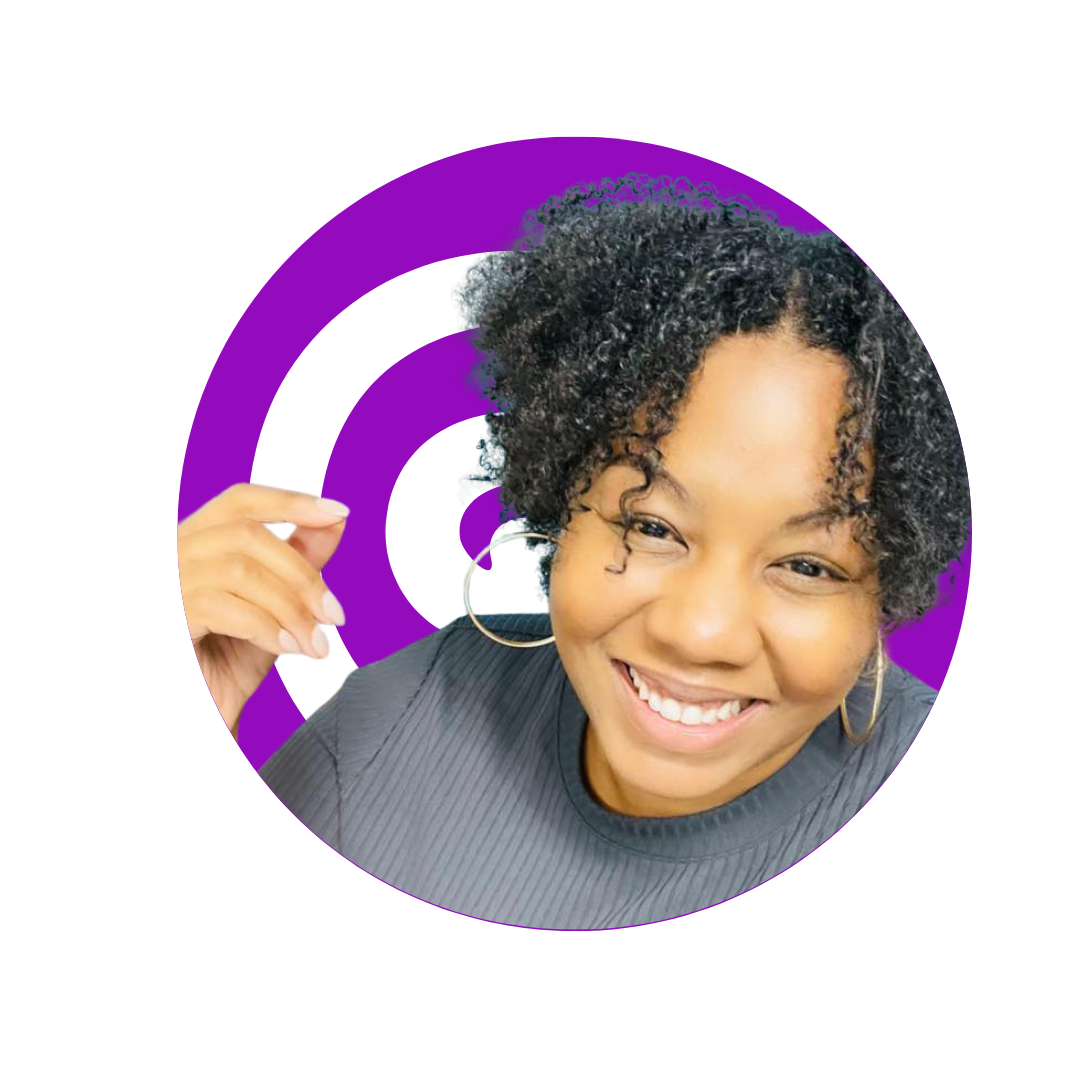
Founder and Chief Learning Strategist
Candice Renee Person, MScED | MFA is a mom, organizer, and lifelong educator with over 20 years of experience helping students and teachers thrive. She began her career as a New York City Teaching Fellow, teaching special education to middle schoolers, and later became a school administrator before founding Edututor, where she empowers learners through personalized tutoring and instructional resources rooted in the science of reading. Over the years, she has taught nearly every subject across grades ranging from kindergarten to high school, bringing both breadth and depth to her practice.
Candice also works in community with A Queen’s Narrative, which uplifts women and girls through storytelling and empowerment programs, and with the Anti-Racism Community Organizers (ARCO), a grassroots collective dedicated to dismantling systemic racism. A digital nomad in the making, she will begin a worldschooling journey with her 10-year-old daughter in Mexico in 2026.