Black Educator Wellness & The Cost of Leadership with Dr. Ashlee Saddler, MSW
In this impactful episode of The Exit Interview, Dr. Ashlee Saddler shares her journey from being a mental health professional to becoming an educational leader, highlighting the unique challenges she faced as a Black woman in mostly white school systems. She discusses the emotional and physical toll of leadership, including her breast cancer diagnosis, which she attributes to the constant stress and self-sacrifice required of Black educators.
Through honest storytelling, Dr. Saddler and host Dr. Asia explore systemic barriers, microaggressions, and the high expectations placed on Black women in education. They emphasize the importance of community, self-advocacy, and wellness. Listeners will learn about mentorship, setting boundaries, and the ongoing fight for equity and recognition in schools.
This episode serves both as a testimony and a call to action: to honor the experiences of Black educators, believe their stories, and foster spaces where they can thrive, not just survive. Whether you're an educator, leader, or ally, Dr. Saddler's insights will encourage reflection on personal wellness and the systemic changes needed.


The Exit Interview: Dr. Ashlee Saddler’s Journey – From Mental Health to Educational Leadership
Host: Dr. Asia Lyons
Guest: Dr. Ashlee Saddler
Episode Overview
In this powerful episode, Dr. Asia welcomes Dr. Ashlee Saddler, an accomplished educator and leader, to share her story of resilience, transformation, and advocacy within the education system. Dr. Saddler’s journey spans from her roots in Georgia to her impactful work in Colorado, blending her background in mental health with a passion for educational leadership.
Key Topics & Segments
1. Introduction & Background
- Dr. Saddler’s upbringing in Georgia and move to Colorado due to her parents’ military service.
- Her family life: raising two children (now both in college) and being married to a commercial airline pilot.
- The unique blend of Southern and Colorado cultures in her life.
2. Early Career: Mental Health to Education
- Starting her career in mental health after earning a Master’s in Social Work.
- The pivotal advice from a professor to pursue an MSW for career flexibility.
- Transitioning from mental health roles in Indiana and Illinois to Colorado, especially after 9/11.
3. Entering the School System
- Encouragement from her mother to move into education.
- Initial roles in mental health within special education departments.
- The experience of being the only person of color on her district team and the challenges of tokenism.
4. Navigating School Culture & Systemic Issues
- The difference between theory and practice in teacher preparation.
- The importance of a multidisciplinary approach in schools (teachers, social workers, psychologists, nurses).
- Supporting teachers in understanding student behavior and their own triggers.
5. Leadership Journey & Barriers
- Moving from mental health to administration, including returning to school for a Master’s in Education and an admin license.
- Facing overt racism and being told she was only valued for her identity, not her skills.
- Overcoming professional sabotage and lack of support from leadership.
- The critical role of mentors and cheerleaders in her career, especially Diana Poni.
6. Impact as a School Leader
- Becoming an assistant principal and later principal, despite being told it would never happen.
- Transforming school culture, supporting staff, and improving school performance.
- The value of a mental health background in leadership: active listening, problem-solving, and restoring dignity.
7. Personal Health & Wellness
- The toll of leadership stress: Dr. Saddler’s breast cancer diagnosis and the connection to self-neglect.
- The struggle to prioritize personal health over professional responsibilities.
- Learning to say “yes” to life experiences, travel, and self-care after her diagnosis.
8. Equity, Advocacy, and Systemic Change
- Observing and addressing systemic inequities, such as the disproportionate discipline of Black boys.
- The need for accountability and action, not just training, to dismantle harmful systems.
- The importance of listening to and validating the lived experiences of marginalized communities.
9. Current Work & Legacy
- Dr. Saddler’s current role at the University of Virginia’s Partnership for Leaders in Education, working with superintendents nationwide.
- Her consulting business, Saddler Consulting, LLC, offering professional learning, keynotes, and executive coaching.
- Ongoing commitment to building the capacity of others and fostering community.
10. The Power of Community
- The importance of having a supportive tribe during personal and professional challenges.
- Maintaining relationships and not burning bridges, even when moving on.
Notable Quotes
- “We heal people in ways that others can’t.”
- “I am the poster child for ‘stress kills.’”
- “I love you, but I love me more.”
- “No one’s handing out trophies for not using your vacation time.”
Resources & Mentions
- University of Virginia – Partnership for Leaders in Education
- Saddler Consulting, LLC
- PEBC (Public Education and Business Coalition)
- Shout-outs to mentors and community members: Diana Poni, Michelle Tower, Yolanda Greer, BAAs Houston
Takeaways
- The intersection of mental health and education is vital for supporting students and staff.
- Systemic change requires courage, advocacy, and a willingness to confront uncomfortable truths.
- Self-care is not selfish; it’s essential for sustainable leadership.
- Community and mentorship are crucial for resilience and growth.
If you enjoyed this episode, please subscribe, rate, and review The Exit Interview. Share your thoughts and connect with us on social media!
First of all.... have you signed up for our newsletter, Black Educators, Be Well? Why wait?
Amidst all the conversations about recruiting Black educators, where are the discussions about retention? The Exit Interview podcast was created to elevate the stories of Black educators who have been pushed out of the classroom and central office while experiencing racism-related stress and racial battle fatigue.
The Exit Interview Podcast is for current and former Black educators. It is also for school districts, teachers' unions, families, and others interested in better understanding the challenges of retaining Black people in education.
Please enjoy the episode.
Peace out,
Dr. Asia Lyons
Black Educator Wellness and The Cost of Leadership with Dr. Ashlee Saddler
Dr. Asia Lyons: [00:00:00] All right folks. Welcome back to the exit interview cast for black educators. It's me, your host, Dr. Asia. By now, you know who it is. Um, I know that you all are tired of hearing me say that I have amazing guests, but I really do. I really do. In today's no different, Dr. Ashley Settler is here recording her story with us.
I'm so excited. Welcome to the podcast.
Dr. Ashlee Saddler: Thank you. Thank you. I appreciate it. Yeah.
Dr. Asia Lyons: So tell the audience a little bit about yourself because I know you, you're in the Denver Metro. We know people who know people who know people, but the audience may not know you. So tell us a little bit about yourself.
Dr. Ashlee Saddler: Yeah, so, um, I'm originally from Georgia and moved to Colorado when my parents came, um, for the military.
Um, and it's been so interesting because I had this dichotomy around the south and Colorado. Mm-hmm. Like what Colorado was gonna be like, and I ended up. [00:01:00] Really liking it and staying here. Um, but, uh, you know, I have two children that are both college. Um, that was not on purpose. That was by accident that they ended up freshman at the same time.
Dr. Asia Lyons: Wow. Um,
Dr. Ashlee Saddler: and you know, I've, I've been in Colorado for some time. I went to high school, graduated from, uh, undergrad here and left to go to the Midwest for graduate school. Um, but really just always kind of been in education in the educational world. But I started in mental health and so I've had those two worlds kind of combine in a very unique way.
Um, my husband is a commercial airline pilot, so he travels the country and, um, he knows that I have certain expectations about where I lay my head. So he will scope out places first and say like, is this Ashley approved? And
Dr. Asia Lyons: I'm not bad about that.
Dr. Ashlee Saddler: So, 'cause [00:02:00] you know, I don't camp I glamp and so I'm like, I will go wherever there is a Hilton, but you know, more like wanting to r it out.
And so he travels and it's to be an empty nester and have a lot of time to just be and read and engage in ways that I didn't have, um, the time to when my kids were in the home full time.
Dr. Asia Lyons: Yeah, I love that. All these little nuggets and this, this, uh, background in mental health. I did not know that before today, so I'm interested to see where that conversation leads us.
Yeah, yeah. And I do respect also the Hilton Hilton points and all the things. So yes. I even solidarity with you a hundred thousand percent, though I do camp every once in a while, so I don't wanna count that out. Um, yeah, yeah, yeah. So let's go ahead and get started. First question is, how did you know education was for you?
What's your story? How'd you get into being an educator?
Dr. Ashlee Saddler: So, you know, [00:03:00] at my, my first career was in mental health. I got a great, some great advice from one of my professors at Colorado State who said, you know, don't go into a specific. Degree, um, within counseling, get an MSW, get a Master's of social work, and you can do a lot with that.
And I said, oh, okay. So I left Colorado, went to the University of Illinois at Urbana Champaign and got my, um, my Master's of social work. And that shifted me into the mental health field working, um, in Indiana, in Illinois. And then I moved to Colorado. Um, and that was nine 11 had just happened. Um, and we ended up moving back to Colorado because the airline industry had just
Dr. Asia Lyons: fizzled.
Dr. Ashlee Saddler: Um
Dr. Asia Lyons: Sure, sure.
Dr. Ashlee Saddler: So my mom actually act, actually kept saying, you need to get into the school system. And I was like, I don't, I don't know. I don't. And [00:04:00] um, I went and, and looked, you know, checked it out. I did work at Savio House in Denver. Denver, um, when I came to Colorado and I was there for about five, six years and, you know, this thing kept, my mom kept saying, you gotta get into schools.
And I was like, ah. So I, I took the lead. Wait a minute. I love, wait a minute.
Dr. Asia Lyons: Hold on. I love that. Mom was like five years down the road, she's like, not giving up. Right on. Mom. Mom.
Dr. Ashlee Saddler: Well, and what she's, she would say is, don't let grass grow under your feet. Mm-hmm. So meaning like, be somewhere so long where you get comfortable.
Mm. Um, and so I got into the school system and what was really nice about that is I felt like instead of working with students when they were in high school, they were in day treatment, they were already kind of in this place of, um, being impacted by the system. I could get them when they were younger.
That was my, yeah. Um, and so [00:05:00] I, I got into, uh, mental health within the special ed department, um, of the district that I was at. And it was really interesting because I had people say to me, you should be an administrator. And I was like, what? Absolutely not. But what was so interesting is when I first got into the district, I was introduced to the principal by the special ed director who said, I have someone great for you, and she's black.
That was my introduction. Okay. Not this right to the point, not she has a master's degree, not she has community, you know, support. It was, I have a great person for you and she's black. Wow. And it was interesting because I was the only person of color on the, the team. Mm-hmm. Uh, the district team. And so I was placed in specific [00:06:00] schools.
Um, and that was a, the interesting experience is when you have been in mental health, in the community, things that happen in the school system, you're like, oh, this is nothing. Hmm.
Dr. Asia Lyons: Right.
Dr. Ashlee Saddler: So people are like, aren't you just shocked and tired? I'm like, oh, no, no, no, no. You don't understand what happens out in the world.
Yeah, right. The school is like a microcosm. And so there was nothing that shocked me. There was nothing that, you know, kept put me off kilter. I'm like, this is a Tuesday.
Dr. Asia Lyons: Yeah.
Dr. Ashlee Saddler: And that's, and, and so I'm very grateful that I had the experience in Illinois, in Indiana and in it off of Federal Boulevard in, in Colorado before I went to the school system because it kind of built up some scar tissue for me.
Yeah. So like. You can say whatever you want. It's gonna roll off my back because I've been through some stuff [00:07:00] in Illinois. Yeah.
Dr. Asia Lyons: This is really, this is really interesting. Be, yeah. Especially the Midwest. I'm from Detroit. Folks know that already. Okay. Yeah. Um, this is, this is interesting. You are one of a few folks.
Shout out to Shara Porter, who was also on the podcast, who also started out in mental health in the broader community, and then came into schools and said something very similar, um, and thought about and talked about this ability to impact youth kind of before we get to a place where it's really hard to like, like back people out of a lot of challenges they're experiencing.
I, I don't think we talked about at her podcast this, uh, oh, sorry. I blanked out. Editor. Fix that. Okay. Did you see me blank out?
Dr. Ashlee Saddler: Oh, this. Yeah, it just clicked.
Dr. Asia Lyons: Oh, don't matter. [00:08:00] Okay. We we're all good. I can see, you can see me, right?
Dr. Ashlee Saddler: Yeah. Yes. But I need to move you off of this somehow. You went to,
okay. Can you hear me? Yeah, I can hear you fine. Okay. You're in the, you're in this thing though. Oh,
Dr. Asia Lyons: okay. Um, it's not showing here on here that you're in the headphones.
Okay. Testing.
Dr. Ashlee Saddler: There. There we go. Okay. It is completely off now.
Dr. Asia Lyons: Okay. But you Okay. It was like my v my screen went black and then it came back. Yes.
Dr. Ashlee Saddler: And it did go black
Dr. Asia Lyons: on you. Okay. So then I, I'll edit that out for the visual. Okay. And the editor or whatever. So let me back up. Okay. Zip. Zip. All right, editor, go.
So on her podcast, we talked about this [00:09:00] idea of supporting community ahead of time, right? And mm-hmm. And trying to get to students so that we're not experiencing triage, that we're trying to support. Mm-hmm. Um, I've had several folks on who worked in mental health. I do find a couple things interesting.
One that it's so unfortunate that, um, you experienced and saw so much trauma, obviously in your mental health, right? Mm-hmm. Failed before you even got to schools, but then also to come in and people. Like, there's something to be said about, oh, I'm not shocked by the things that I see within youth in the community, or excuse me, within schools because I saw it out in community.
Mm-hmm. And that really lets us know that, like you said, schools are a microcosm of this broader community. And like, what, what can we do as education system, as educators about that? Um, so I, I think that's really, really interesting. And I'm sure that it also provided you a lot of experience that people who just came straight into [00:10:00] schools did not have mm-hmm.
Problems that you could, or, or solutions that you could bring to the space that they didn't think about. And also because you have been a different states, other connections and community that they would've not considered. So that's, that's really awesome. And it's something to be said about a second career.
Dr. Ashlee Saddler: Yeah, absolutely. And, and I will say too, it helped to build relationships with families because. I wasn't like in shock and awe about what they were going through. Right? Mm. We we're, we're not like, oh my god, let, we're all acting brand new. Like these are not things that families experience. Um, and I will, I also find that in the school system, especially in elementary school or in the primary spaces, there is a separation between theory and practice.
Um, when teachers are learning how to become teachers, it's very theoretical, and then they're trying to apply what they learned in [00:11:00] this sterile classroom or sterile environment into a classroom. And it's not working. Yeah. Um, and it's not an indictment on, on anyone particularly. It just says like, yes, we have these things that we learn in a textbook, and then now we we're in the real world.
And what does that mean and what does that look like? Because I don't believe that teachers are meant to be in this educational space in a vacuum.
Dr. Asia Lyons: Yeah. They
Dr. Ashlee Saddler: need the social worker, the nurse, the psychologist. They need everyone, um, to support because our, our students are coming as complex beings and, and teachers are not, I don't believe that they're built to be all things to all kids all the time.
Dr. Asia Lyons: Mm-hmm. Oh, definitely. Yeah.
Dr. Ashlee Saddler: We don't even expect that of our, like our spouses can't be. All things to us all the time. That's why we have friends,
Dr. Asia Lyons: right? Yeah, [00:12:00] exactly. Yeah.
Dr. Ashlee Saddler: You know what I mean? And so to think that we are gonna make or create or reinforce that teachers are gonna be these super human beings, it's a lot of pressure.
And so that was a a, a kind of stance that I took is you are here to teach and I will support you in any way that I can. I'm gonna help you to understand why a student is, is behaving the way that they're behaving. I'm gonna help you understand, um, what your own triggers are and, and what you are dealing with so that you can recognize that.
So you don't have, you know, something happened where you can't come back from it because a student pushes your buttons. Um, you know, there, there are a lot of things I, I remember. A student that I had, I was at a, a preschool through eighth grade. I was an assistant principal and, um, there was a student from Somalia in the class, and the teacher was from New [00:13:00] York and he was a white male.
And the student is from Somalia and there's a cultural difference. Right. Um, and, and the student is just trying to, he's Trish language. He's trying on like sure. He's trying to fit in. And the student said something, the, the teacher brought his wife and his baby in, and the teacher, the student said something about the teacher's wife, like some slang term that said that she was beautiful like that.
She was pretty mm-hmm. He took it as a threat though, and he squared up on that kid. What did you say about my wife? What did you say? I was in the room and I said, whoa, whoa, whoa, that that's not what he intended. Like, let's bring this down several notches. And, but he was just ready to just, and so I'm like, what, what's happening with you teacher?
That, that was your response.
Dr. Asia Lyons: Well, can we pause? Can we pause for a second? [00:14:00] Right. The first thing I think about is if he was willing to jump to through the roof with you in the room, then how was he when no other adults were in the space? Yes,
Dr. Ashlee Saddler: yes, yes. That's a, is a very valid. And, you know, he went back to New York in a different career, but God
Dr. Asia Lyons: speak sir.
Dr. Ashlee Saddler: And I helped him get there. But, and thank you for your service. Yes. But, but thank. To me, this wasn't a student issue. This was an adult issue. Yeah. And what is it about you that, that was your visceral and initial response to this student who, you know, is a multilingual learner, who's trying on English, who's trying to fit into a school and a country, and a place that he's so new to?
Like he's just, he's trying to, he's trying on American slang, right? Yeah. And, um, so, so that, I think when [00:15:00] we have mental health backgrounds, behavioral backgrounds, we look at challenges and obstacles and, uh, situations through a different lens. Mm-hmm. Right? It's let, let's, let's dissect this. Now, not everything is meant to be dissected.
Not everything is meant like we, we don't like when you bring a weapon to school, I, I don't have time to dissect
Dr. Asia Lyons: that
Dr. Ashlee Saddler: because I don't have the ability or the luxury to dissect that. Right. Definitely. With behavior, having that behavioral background, it does allow me to be able to support and pause in a situation to really get to the crux of the, the issue.
Dr. Asia Lyons: Yeah. And this is when you're telling this story, you were an administrator at this point, or you still at the district level?
Dr. Ashlee Saddler: I was an assistant principal, yeah, I was an assistant principal.
Dr. Asia Lyons: So before you became an assistant principal, how long did you work at the district level? And then there was a, we kind of skipped over this, but you said, [00:16:00] no way, not me.
And then all of a sudden we're where? Assistant principal. So how long were you at, at that district level then? What was the thing that said, okay, I'll, I'll try being assistant principal. Mm-hmm. I'll take that on.
Dr. Ashlee Saddler: So, so I wasn't at district first. I was at schools, but I was itin. Oh, got you. I was kind of split, so I was between three different buildings and then I went to two different buildings.
But we, you know, I was hired by district instead of being hired by the school, I was hired by district because of mental health, the way that the district worked. Um, and, and so, you know, I'm in this space in mental health and I think I had, and I, I did transition into special ed, um, becoming a, a staffing chair.
Um, once I had more people saying, you should get into administration, I said, well, before I do that, let me go back and get my Master's of education. 'cause I have my master's of social work. And I was like, I need to know what I'm talking about, right? Mm-hmm. Um, and so just having that, [00:17:00] that credibility was important to me.
So I did go back to school. Um, I went back to college. Colorado State and got my master's of education. Um, and so that was kind of this, this pathway to like, I, I want to build my own knowledge and understanding. Um, and so, you know, with my mom's support too, saying, yeah, Ashley, I think you can get into administration.
Like, I think this is a thing you can do Mom already,
Dr. Asia Lyons: like mom Becky. I know.
Dr. Ashlee Saddler: Shout out to mom. She,
Dr. Asia Lyons: okay.
Dr. Ashlee Saddler: Yeah. Um, and so I went to the University of Colorado at Colorado Springs to get my, um, to get my admin license. And that is when I started to see the ugliest side of education. Prior to that I was like, we are gonna love each other and we're gonna change.
I mean, I wasn't like change the world kind of, you know? I know that stuff is like, stuff is crazy. Yeah. But you know, I, it, I [00:18:00] had not been hit in the gut the way that I did once I decided to go into administration. And so I was in between two, both building leaders said We will support you in becoming in, in getting your admin license.
I had one specific leader that I said, will you write me a letter of recommendation? She's like, I thought you already had a master's degree. And I said, I got two I, this is now for my admin license. And she's like, oh, okay. She writes my letter of recommendation for me to attend the school. And you know, as part of admin hours, you have to get several hundred hours of experience in administration.
I'm like, I'm already in the school. I'm in two schools. I have a perfect opportunity. I went to my principal and said, Hey, I need to observe teachers as part of my program. Which teachers in the building would you recommend? Mm-hmm. She told me what teacher [00:19:00] she recommended. Great. Well, now I'm at the end of my program and my building had an assistant principal opening and I'm like.
This is perfect. I've been working in this building. My principal loves me. Like, people were like, Ashley, you are the golden staff member. The principal loves you. Like, I sat in her desk when she would be at admin meetings, like, take, doing the role. Let's pause for a second. Like, I would,
Dr. Asia Lyons: we know the buildup on this one, folks,
as soon as you started talking, I remember this from our meeting, our pre-meet. Yeah. And I'm, I have to take a, I have to pause this for the guests. Mm-hmm. Because they already, they hear it coming. And if you're, if you're not watching this on YouTube, if you're listening to this, she's smiling really hard because
Go, go ahead. Go ahead. Tell us.
Dr. Ashlee Saddler: Okay. Okay. So, um, so I'm like, this is, this is [00:20:00] gonna be perfect. So I said to the principal, I said, you know, I see that, you know, we know there's a AP position I would love to be considered for the AP role. And she looked and she was like, what? Like, like I had grown a second head and she said, oh, I have no intentions of you being assistant principal.
And I said, well, if you didn't have any intentions of me being an assistant principal, then why did you help me get my admin license? And she said, oh, I just needed a black person on staff to deal with the black parents. Oh, okay. So that, that, because remember, I was introduced as, oh, yes, I have, remember, I, I have someone for you and I have a great person for you.
And she's black. Mm-hmm.
Oh, we're still not done. Are we ready? We ready? Let's for the rest, let's go. Let's go. Okay. So I said, well, then [00:21:00] there's nothing left for us to talk about. Like, I can't stay here. Yeah. Like, like I, I refuse to be in this space. And, and it's like, disrespect that just so I said, you know what? Then I'm just, I'm gonna leave.
And I, I had a colleague that I worked with who said, Ashley, I have a position open. I would love for you to come and this is now me. I would have to leave the district. Now I graduated from this di like this, this district is in my heart and soul, and I have to leave. It is like painful, right? So I said, well then I'll, I'll just have to leave.
And, and so I said to the principal and the AP at the time, um, who wasn't an ap, she was a tosa. Um, but I said, I, I'm gonna, I'm gonna need to leave because this is not working out. Now, in a normal world when you obviously don't want someone there, and they have said that they're leaving, like you move [00:22:00] aside and you let that person leave, right?
Yes.
Dr. Asia Lyons: Yes.
Dr. Ashlee Saddler: Like you, you have. You have disparaged me. You've said that this, the only reason you want me here is for this one purpose. We are not seeing eye to eye step aside and let me vacate the premises. Of course not. So this principle then decides when I do secure another position, um, it was, you know, there's that limbo time where like, Hey, we're gonna do your background check and, and all the things, right?
Decides to call the human resources department of that district and tell them that I lied on my application and that I did not have completed the time that I needed for my admin hours. Now, if you recall earlier in the story, I said, I went to my principal and said, who are the teachers that I should see?
I wanna do my admin hours here. Yes. [00:23:00] Until I wanted to leave. Now all of a sudden. She then says to my advisor when I'm trying to get my hours signed off by her, I had no idea that Ashley was in the program, refuse to sign off on anything. Basically, I don't know who this person is. So, so you only want me for this purpose.
And then I say, well, then we, I'm gonna part ways, I'm gonna go get another job, but I do need for you to sign off on the stuff that you said you was like, and you refuse. So mom comes in again,
Dr. Asia Lyons: let's just take a breath. Just say, hold on, because mom gotta be tired of you. End of school and Wait, wait, wait.
Hold, hold on. So there's so much to this exiting of this, this school. Mm-hmm. And this principal and the Tulsa and just the, all these pieces. Did you think [00:24:00] about, did you consider, did you file any complaints with that district? What hap Because I mean, for someone to say that so blatantly into your face, what, what was that reaction?
Even before we go into calling somebody, she, he, whoever calling hr this other district. Mm-hmm. Mm-hmm. What was happening over here? How did you respond to that?
Dr. Ashlee Saddler: So that was a point where I was like, I need to figure some stuff out. Yeah. Like, I, I need to protect myself. I remember coming home, I, I, like, I am a, a type A person to the nth degree.
I was like, Ashley, you got 15 minutes to cry and then we gotta get to work.
Dr. Asia Lyons: Wow.
Dr. Ashlee Saddler: And I literally remember I was on my bed, I was crying. I was like, okay, time to go, time to fight. Like it was fight mode. That's where we were in fight mode. Um, you know how there's fight flight fawn or freeze? [00:25:00] I don't know how to fawn.
Dr. Asia Lyons: It's just like, just go time.
Dr. Ashlee Saddler: I don't know. Like I, I, there is not a fawn bone in my body and so I went into fight mode and, and so, but my fight preserved and, and I I say this like, I, I understand, you know, we have privilege in, in many different areas and I understand the capital that I had to, um, capitalize on for this to happen.
Mm-hmm. I did not elevate it to, to HR and, and not doing that was actually I, I believe a benefit, but it, it gets, it's like. It's, it gets so good. Uh, the Just dessert. Oh, please. I'm
Dr. Asia Lyons: sorry. I didn't mean to hold this up.
Dr. Ashlee Saddler: No, no, no, no, no. So, so I said, so Mom come. Mm-hmm. We're gonna bring mom back in. She was working in a separate district and [00:26:00] said, um, I will put you in touch with someone at my building.
So the, the thing is, I still gotta get my hours signed off. Like, I'm, I'm still like the, I, I, I have done my program. Literally it is a signature that I need. I have documentation of all my hours, I have all of my artifacts, I have all of that. And so I actually, I did some additional hours. I went above and beyond what I needed.
I did additional hours at my mom's school. I went to a neighboring school and did some additional hours there. I mean, it was like, I just, I went above and beyond and so that I could show like, here, this is all the stuff I've done. And you see that I've been able to do that. So I had two different people then sign off on my hours, um, and presented that to my school.
And it was so interesting because my school advisor was like, we have never had this case happen. I'm like, of course you have it, because it's me. Like Right. They had [00:27:00] never had that happen before. So I get the job, um, and. What's interesting is if we back up when I said I wanted to be an administrator in the district, this person said to me, you will never be an administrator in this district.
Yeah. Now, the reason I believe that this was said is because I don't have the traditional background of being a classroom teacher. Um, but I found very interesting as I did go into administration, there are many people who don't have the traditional trajectory into school leadership. And those who have been in mental health first who are school leaders, they heal communities in ways that people who go through the traditional route cannot.
And so that, that just, [00:28:00] that, that became, um, when I met school psychologists who were principals. When I met other people in mental health who were principals. We have someone right now who was in mental health, who was a school superintendent. We heal people in ways that others can't. So I just, I wanna put that out there that I don't want anyone to ever say just because you did not go a traditional route that you can't.
And to be, and right. To be clear,
Dr. Asia Lyons: when you say traditional, you mean as a classroom teacher?
Dr. Ashlee Saddler: As a classroom teacher, right. I went back to school. 'cause like I said, I wanna make sure that I have the credentials. Sure. So I did go back to school to make sure that I knew about instruction, but yes, I went through a, a different route.
Um, and so when, when she said, you will never be an administrator in this district, I ended up leaving this, this district that I was in, um, for different reasons, came back and I was introduced as an assistant principal in the whole district. Do you know I [00:29:00] made the hardest eye contact with booboo kitties and I said.
Hi. Yeah, look who's black right now. What I think is really interesting is when I was named the principal of said, building
Dr. Asia Lyons: what, wait, wait. This principal of Gup,
Dr. Ashlee Saddler: uh, for the person who told me that I would never be an administrator in the district, I ended up being the principal of that building of said building.
I, I just like, I, I think it's pretty incredible. And, and so it's, it's really interesting when we listen to people. So when I was an assistant principal. I, I had someone who said, I wanna say her name. Can I say her name? Yeah, of course. Because I'm gonna, okay. Her name is, is [00:30:00] Diana Piconi. She is an amazing person.
She was my cheerleader. Hmm. My like, so this is after I've gone through all this stuff and you know when, when you go through this imposter syndrome that creeps in because you have these people saying what you can't do.
Dr. Asia Lyons: Yeah.
Dr. Ashlee Saddler: And to have someone who's like, no, you can, you will, you are doing it and you will be amazing.
Right. To that, having her poni, we call her Poni as our cheer, as my cheerleader was amazing. And, and she will still, as I continue to move and, and grow in my career, she is still on Facebook going, I knew, I knew that you were gonna be. X, Y, Z, and she did. And that is, those are the people that we need to lean into when we do have this negativity and these people that are telling you what you can't do, who you aren't [00:31:00] gonna be, what you aren't gonna be able to do.
Um, we, we, we need to not listen to that, but then take that and say, not only am I gonna do, but I'm gonna excel in this space. Um, and so as a building leader, I was able to move that building into performance, keep that building into performance after I left because of the systems that were put in place and then move on to the district.
So it just, it was so.
The, the preservation of relationships. And that's why I say like, I have different feelings about human resources and HR and, and who they are and how they are to be. Um, I did, I was not in a position to be able to elevate that to, to HR at the time. And I had people that you should have, yeah, we can, should all over people, but mm-hmm.
That's not something that I felt [00:32:00] comfortable doing at the time.
Dr. Asia Lyons: Mm-hmm.
Dr. Ashlee Saddler: Um, and I think because of that, I was able to then go back and still have that, that that preservation, um, to be able to, to go back into the space and say. Now, let me tell you my story. Yeah. Right. I, I feel safer to be able to do so.
Yeah. So I, I did, I have, as I went back to the district, I did share my story and um, and, and what happened, and it's interesting, when I became na, when I was named as a principal, I was named with 10 other leaders and there was a shift in the culture of the district. We started to see the people of the principal that I had and those who had those ideals and approaches and beliefs were slowly being shifted out.
Sure. [00:33:00] And people who were coming in, who were asset-based and equity-minded were starting to come in and it was a beautiful thing to witness.
Dr. Asia Lyons: Yeah. I love this. You. You being able to not only go become an assistant principal, come back into the district that you left mm-hmm. You know, support your entire community as you mentioned, um, raise the performance of your school and then move on to the district level.
It's not surprising, right. It's a lot of work to be able to, like you said, set that timer for 15 minutes and then dig in. Um, yeah, and I applaud that. I know that some people, like you said, some people may have chosen to do something totally different, call HR or do some whatever the situation. But for you, you understood this like greater purpose of what you need to do, and you chose to kind of like say steadfast in that and be, and be [00:34:00] strategic in that.
Um, tell us about the district level. How, what, what was the, did you. Someone tapping on the shoulder again. Was it mom? What was such a situation for that?
Dr. Ashlee Saddler: You know, um, it was, it was not mom, but, uh, this, this gets back, this gets back to some of the, again, beliefs and, and what we tell ourselves. So, um, I will say, first things first, I did not take care of myself as a principal.
I was very, I threw myself into the work, full steam ahead, like really sacrificing myself.
Dr. Asia Lyons: Mm-hmm. And
Dr. Ashlee Saddler: so I did feel like this exhale when I, when I went to the district, but before I went to district level, you know, there was a position that was open and I said, I don't, I don't have everything on this list that they're asking.
And, um, my teacher leader said, um, men [00:35:00] never anticipate having everything on the list, but they still. Still apply. And I was like, yeah.
Thing that as, as women, we underestimate our ability to do a job. When we look at the job description and go, well, I don't check every box. Yeah. And therefore I won't apply. Where men don't do that, they go, I got two of the 20, so I'm gonna
Dr. Asia Lyons: throw my hat
Dr. Ashlee Saddler: in the ring. Right? Mm-hmm. And so it was because of her that I actually, uh, applied and, and got the job.
Um, and shortly after that, I was diagnosed with breast cancer. Mm. And, and that I see as a direct correlation to me taking care of everyone else and not myself as a school principal. And I will say that when [00:36:00] I entered the building as a principal, I was, I was. Battling a lot of the person that I'm following already has poisoned the waters about me.
Mm-hmm. Right. And, and, and it just, what I walked into, I'll give you one example is like they decided to take all the keys that were in the building, take the tags off of them, dump 'em in a bag so that we had to spend time trying to figure out what keys go to what cabinet and what door and the, like, those little things
Dr. Asia Lyons: just bad.
That's not little. That's not little. Somebody would've got punched. I'm sorry. Yeah.
Dr. Ashlee Saddler: But like, it, it was though, like that was, that was kind of what I walked into. And I, and I walked into, you know, Ashley doesn't know what she's doing and Ashley can't do this, and, you know, so I had to overcome that. But that's.
I, I had someone when I was a [00:37:00] principal at the district say, um, the building is safe now because you're here. Mm. And and that is what I attribute to my mental health, um, background where I had teachers come to me and say, I am no longer on antidepressants. Now that you're the principal or people who have said, I just appreciate that you listen, that you don't try to solve every problem, but you are just listening.
That's all, that's all a mental health background. Yeah. Being able to actively listen, being able to help people problem solve, being able to give people their dignity back. Right. And it, and it shouldn't just be mental health. We should all have those skills, but I know that that's something that is of value, especially as, um, MSW.
Um, and so I poured into to people and I did not do the same for myself. Mm-hmm. And so, um. The moment I, I can pinpoint the exact moment [00:38:00] when I feel like I got breast cancer. And that was when I was dealing with a, uh, a teacher who was a seventh grade teacher, sorry, a sixth or grade teacher who was having a sexual relationship with a seventh grade student.
Um, and that level of stress, um, you, it, there's no handbook for that. Yeah. There, there's no handbook for, you know, police and detectives and everything in, in, in your building. And there's no handbook for the news media outside of your door. You know, like there's, there's no handbook for that. Um, and so there it was like an exhale when I did get to district, but now I'm having to deal with this diagnosis.
Sure. Um. So, you know, when you asked about like the health part, [00:39:00] um, I say I am the, I am a poster child for stress kills.
Dr. Asia Lyons: What's a stress kill? Like, I
Dr. Ashlee Saddler: stress When you say stress kills, have you heard of that Uhuh? When people say, yeah. Like, oh, when
Dr. Asia Lyons: people stress kills, stress
Dr. Ashlee Saddler: kills. Yes.
Dr. Asia Lyons: Yes. Okay. Yeah. Yeah.
Dr. Ashlee Saddler: And so there, you know, I, I would be like, oh yeah, I know, but like I, I said, I'm the walking poster child for stress does kill.
Dr. Asia Lyons: Yeah.
Dr. Ashlee Saddler: Like, it, it, we hold it in our body. The cortisol, the inflammation, yes. Like all of those things. Um, that is what, you know, I had to learn how to undo when I went to the district after being. A building leader. You
Dr. Asia Lyons: know, it's interesting that you said before, you know, that your school went into, like, I just, I'm repeating now, like the performance increase, all these things happened.
Mm-hmm. The teachers felt good and you said, oh, all the work you poured [00:40:00] in and you didn't pour into yourself. And that is a, a repeat over and over again on this podcast. People who, specifically black women, but educators in general who come on the podcast, talk about basically being a bridge, right? Mm-hmm.
For so many people and letting people walk across their back to something better and at the sacrifice of themselves, at the sacrifice of their family relationships, their community relationships. Mm-hmm. Um, and I think. You know? Yes. I think you're the first person who talks about a, a cancer diagnosis, but there's all types of symptoms that people talk about mm-hmm.
When they talk about their experiences working to make their communities better. Yeah. And to show up and to prove and to support. Um, and I'm glad that you talked about that. I'm glad you're able to be having this conversation because I think that so many people push off and they don't have to be [00:41:00] administrators, right?
Mm-hmm. This can be educators in any capacity. The janitor, the lunch person, push off doctor's visits to put push off dentist visits, to push off that little tinkling in the back of the mind that says, what is that? Well, you need to think about why are you thinking that? Like all these little, um, hints, includes, and intuition that we got were received from God, our ancestors, whomever, we just push that off.
Yes. And it does not go away, right? Yeah.
Dr. Ashlee Saddler: So it's, it's so interesting, um, because once I got the diagnosis, and it was in November of 2018, I got, um, several biopsies. I had a ton of mammograms. It never showed up. And there's a whole thing about that. Like black women having denser breast tissue. Yes. But for me it was, it never showed up.
Mm. The, I had 10 mammograms and the, it never showed up, and I was under the age [00:42:00] of 40. So the first mammogram I had to pay out of pocket. I was so upset. But to your point, once I left the principalship, I said, I don't know that I would've even had time to go get a mammogram. Like that, that was, but even still, so I get the diagnosis.
Um, I had the, the biopsies 'cause they wanted to see like what the margins were. Um, and I had a lumpectomy in December and that lumpectomy was like the, the litmus test, if you will, for what are, what is the next phase of treatment gonna be. Um, there were no clean margins. It, my, my doctor explained, like, it looked like someone had taken a salt and pepper shaker and just peppered cancer all on my left side.
Mm mm It was just, it was, it was everywhere. And so, [00:43:00] and it, it had, it was, I had symptoms for two years, years that IWI, what I know now. I would've pushed the doctors more. But by the grace of God, I did not, it, it did not spread, um, beyond the stage that it was already at. But when my doctor and I in December are talking about treatment options, and I, I, I tell this story very freely now, um, you know, especially when I'm MCing for breast cancer events, but I, I'm so embarrassed to share it, but I share it because it's important.
I literally formed my lips to say to my surgeon, can we do this in March? Because that is when I have spring break.
Dr. Asia Lyons: I remember you told me this
Dr. Ashlee Saddler: obsessed. She said, wait, and I, and this is for a double mastectomy. Okay. Yeah, [00:44:00] I said we have access testing coming up in January. That is a really bad, bad time because I am over all access testing for the district.
Can we do this over spring break?
Dr. Asia Lyons: This cancer's cramping my style. Could you figure out how to,
Dr. Ashlee Saddler: she said, Ashley, you have cancer? And I was like, yes. I know it still didn't click. I said, yes, I know. But you have to understand, like as a district leader, I have a huge respons girl. And so I, I, I was put in touch with a, with a woman who's a two time cancer survivor and I told her this story and she goes, do you hear yourself?
Yeah. Like, she, she, she had a moment with me. Her name is Michelle. She had a moment with me. And she was like, I'll, her [00:45:00] name was Michelle Tower. She's an amazing person, but do you think that any of those people are going care if you drop dead from cancer? But you, you wanted to have the stuff happen at work.
And I, and Eby, she just, she laid into me and that was, that was the first time where I was like, I am literally trying to schedule a double mastectomy
Dr. Asia Lyons: around testing,
Dr. Ashlee Saddler: around work.
Dr. Asia Lyons: Yeah.
Dr. Ashlee Saddler: It's, it's horrible to think about, but that's literally, that's literally what I said to my general surgeon. You know,
Dr. Asia Lyons: it's, I'm, so, I'm thinking about this, I'm listening to this story, and I'm also thinking there's probably folks who would say, that's ridiculous. I would never do that, but put off all other manners of health care, all other things that need to be taken care of.
And so what would make this any, with [00:46:00] this situation for them, any different. Right. It seems like, oh my God, that's, that's so irresponsible. Whatever word people wanna throw out the situation. Mm-hmm. But educators mm-hmm. Do it all of the time.
Dr. Ashlee Saddler: We schedule babies around like, I will get pregnant and have my baby over this break.
I mean, like, we, we plan families over Yes. School calendars. Yes. I mean, think about how many electives, like, I'm gonna put off this knee surgery Yes. Until such and such, right. Knee, neck. Yes. Right. Absolutely.
Dr. Asia Lyons: That's exactly right. That's exactly right. Yep. And they're like, and I could see, yep. You are a, you are a hundred percent on with this, because that, I don't think.
I've heard many, actually, just recently I was holding space and someone mentioned that same thing. Putting off a surgery. Putting off a surgery, and it's no different. It's [00:47:00] no different. Yeah.
Dr. Ashlee Saddler: Mm-hmm. Yeah. So that I, I had someone, um, well, so one of the things I, I didn't share earlier is that, so I work for the University of Virginia, um, the Partnership for Leaders in Education program, and I get to travel the country and work with superintendents and their cabinets around transportation.
Wait, hold on. You didn't
Dr. Asia Lyons: jump ahead.
Dr. Ashlee Saddler: No, no, no. I'm, I'm gonna go back. So, yeah, this is how my brain works. Um, so I get to travel the country and work with superintendents and their teams. And I was having a conversation with a gentleman in, um, Arizona, that was one of the districts I worked with is in Tempe, and, you know, telling him this story and he said, what's something you do now since the cancer diagnosis?
And I said, now I say yes to the trip. And [00:48:00] he said, tell me a little bit more. And I said, November of 2019. So that would've, that was a year after I was diagnosed, was the first time that I went on a trip and did not take my work computer. So that was one. The other thing that I did in November is, November is the month I was diagnosed.
And so I wanted to rebrand. I hated November. I hated brown. I was wearing brown when I was diagnosed. I hated November. I hated Brown. And I said, I, I can't keep living in this space. So I said, I need to rebrand what November means. Yeah. For me. And so, uh, my husband's like, where do you wanna go? And I said, I wanna go to Italy.
And so we went to Italy and the world did not fall apart because I went on the trip and I said, look, stuff is still moving. And I didn't take my computer. So I said, now I say, where do you wanna go to? Bora Bora. Yep. We're going to Bora Bora. [00:49:00] And you know what? I'm not working around anyone's schedule about when I go, I'm gonna go when I wanna go.
Yeah. No, we, we go for anniversary. But it's, it's so freeing to be able to say like, this is time that we're not gonna get back. Right. And we can continue to bank up our sick time and our vacation time, but no one's getting a gold ribbon. For having all of this saved up vacation time.
Dr. Asia Lyons: Yeah. Yeah. And we learned that early with perfect attendance awards.
Yeah, yeah,
Dr. Ashlee Saddler: yeah, yeah. No one's, no one's handing out trophies for you, not using your vacation time. Um, now I, I have had people that have abused it. Of course. You know, like we, that's not what I'm talking about. But, you know, definitely when it's like, let's go on this trip. I'm like, yeah, yeah, let's, we're gonna go, our anniversary is in February.
It probably didn't work out for a lot of stuff, but I can't help when I got married, this is our anniversary. We're [00:50:00] going to Tahiti. That's just gonna, you know, and, and so, and I enjoy the time and that's something that I didn't do before. Yeah. And my, that's my wellness. I have other wellness that I do, but that is how I care for myself.
And I'm probably gonna answer a question that you, you're getting ready to ask you. Yes. One of the things that. The district. I left the district because I, I felt like I would, I told them, I said, there's a lot that's coming at us and I'm putting my arms out trying to guard and block and tackle, and it's getting heavy.
Mm. It's getting heavy. And I said, and I am coming to work angry. Mm. Like, I could feel it in my soul and my spirit. And I told my team, I said, I've done [00:51:00] cancer once. I'm not doing it again. And I said, I, and I told him, quote, I said, I love you, but I love me more and I'm, I, I can't continue to, to do this. And I left.
Dr. Asia Lyons: Yeah. That was my question. Beautiful. Thank you. Yeah. So looking back on your career, understanding that that, that coming to work angry is so real, it's so, so, so real. Mm-hmm. Um, mm-hmm. I asked the question, thinking about you coming in as a mental health provider from district back to another district, back to another district, and, and all the ways that you supported adults, young folks, do you believe that schools and [00:52:00] districts can retain their strategies that are out there to, to support the, the, um, retention of black educators?
And if so, what strategies do you think there are for retaining black educators? What have you seen out there that may be effective or ideas that you have
Dr. Ashlee Saddler: mm-hmm. For the
Dr. Asia Lyons: retention of black educators?
Dr. Ashlee Saddler: Yeah, so part of it is. We hear, but we are not listening to what's really happening. And there are people in our community who are having, when I was doing districtwide equity work, I heard stories from, from individuals, people of color who are fighting to be heard by their building and are dismissed.
Oh, and it's the microaggressions, right? No, she didn't really mean [00:53:00] that. Mm-hmm. That's not, that's not, uh, you took that in the wrong way. All, all of that just pokes it, it, it, it breaks down anyone who's like, okay, well, I'm gonna, I feel like I'm being heard. I feel like I'm being listened to. The simple act of when you have someone who is telling you their lived experience, being able to validate, listen, and enact upon that experience without saying, and what do you think I should do about it?
Yeah, no. Right. Because it, the onus is not on the person to say, and this is how I want you to fix
Dr. Asia Lyons: it. Yeah.
Dr. Ashlee Saddler: But how are, like, we can, we can do this together. But first it, it starts with we need to actually be able to listen to what people are saying. They are experiences that they are having. And from a district perspective, [00:54:00] if, if I'm open enough to be able to hear, and I'm hearing similar or the same things over and over again, not gonna dismiss that.
It's like, oh, well they're all just disgruntled, right? Like there's a common denominator here. There's, there's a factor that needs to be addressed in this space. Um, and as a district leader, as a senior district person, you have the power, the capital, the means to be able to make that shift in that decision.
And now it's just being able to, to make that decision, to do that, to enact. Mm-hmm. And, and thinking about how much healthier the community will be when you have something that is now addressed because you have multiple people who are saying that this is a problem. Um, I would like to say that we could, [00:55:00] well, let's provide some training and some professional learning, but when, when we talk about deep seated beliefs that people have.
I don't know that there's a lot of training that can be done to counter agreed, because there are systems that have been put in place that reinforce the beliefs. Yeah. So they, the person who put the systems in place are not gonna dismantle their own systems. Yeah. That's
Dr. Asia Lyons: exactly right. Mm-hmm.
Dr. Ashlee Saddler: Right. So,
so I, I, I'll, I'll give you an example. I went and did learning walks. This is when I was at the district and, and I said to the team, I walked, I went, we went to five classrooms, every single one of those classrooms. I said, every classroom we went in, there was a black boy who was removed from [00:56:00] the rest of the, the, the class.
Dr. Asia Lyons: Really.
Dr. Ashlee Saddler: Okay, so now we're not, we're not in, we're not primed to be able to, to observe this, right? Every single, at least one. There, some were more than one, but in every classroom that we visited, at least one black male was separated from the rest of the class in the same building, building. These are conversations that we need to have, and while it is going to make people uncomfortable, these are the experiences that these babies are having in the, in the, in the classroom.
You cannot tell me that in every single one of those class, now behavior is a thing, right? But in every single one of those classrooms, all the black boys were a problem in every single, like,
Dr. Asia Lyons: yeah,
Dr. Ashlee Saddler: I, I just, I, I, that is just something that is, is lost on me, is that there's, there's, you can't tell me that that's not a systemic [00:57:00] issue.
In buildings when this is what is seen. And the fact, I think what was disheartening for me is that no one else, and granted I was, I'm the only person of color that's in that team of adults that's that's going in. But now we're not even seeing that and it's like, we're
Dr. Asia Lyons: really mm-hmm.
Dr. Ashlee Saddler: And let's move on.
Dr. Asia Lyons: Mm-hmm. Yeah.
Dr. Ashlee Saddler: No, we, we wait. How are we addressing this and what are we do? And, and so that's, to me, the next step is around the accountability. We see these things and we just don't go, oh, well, you know, that's just what it is. No, this is, this is problematic. Um, and so that, that is part of like the being able to see these things.
Yeah. I, I had a teacher where, bless her heart, you know, I told you I'm from Georgia, so you know what that means. Um, and I said to her, I said, do you [00:58:00] see that all of your, you have white kids here, black kids here, Hispanic kids here. Like she had the kids, the kids separated by race. Well, I didn't do it.
That's the shows where they sat. And I was like, this is not what we're doing. We can't, we're not primed to even see it. Yeah. That's, that's the thing is like, how do we prime ourselves to see and act?
Dr. Asia Lyons: Yeah. I think that the, the, this what you said of how does, how can a training or professional development undo systems?
That is the number one thing that I think about often. Um, in my day-to-day work, I support the healing and wellness of black educators. Hmm. Because I don't believe that systems wanna change. And so like, what does it mean to support those who are experienced harm to heal and to, to, to bear witness and to make sure folks are well, and then the system's gonna do what it's gonna do.
Mm-hmm. But in the meantime, those of us who've experienced [00:59:00] harm, need support while someone else is trying to convince John, the PE teacher that his grandmother was actually a racist. Like, he's never going to admit that. Right. So just let that go. Yeah. And so that's, I think I always ask the question, do people really even believe that there is a strategy for supporting retention of black educators when we can't?
Undo systems. Mm-hmm. I don't, I don't see it, but I always wanna give folks a chance mm-hmm. To answer that question. And so this, you talk about hear and believe. Mm-hmm. So many times, over and over again on this, this podcast, people say that, believe us when we tell you this is a problem and then move to action.
Mm-hmm. And I don't know if that believe in move to action is an alignment with the niceness that comes into education spaces. Yeah. Right. It's not nice to do, to call people that's not [01:00:00] nice to, to, you know, just point out the things that need to be changed. That's not being nice. And school systems are all about kind niceness and I'm quoting here 'cause there's nothing nice about systemic racism, but that's the thing that we are fighting up against.
Nice. Nice. Nice. Um, yeah. Yeah. So you already started talking about it, you left the district. What are you doing now?
Dr. Ashlee Saddler: So, I am like super excited to be at the University of Virginia. It's, um, such a life giving bucket, filling amount of, uh, the work that I do, um, across the country. And I think what's great is I get to take my experiences and extend them across the country, but I also get to learn from other people in other, in other spaces.
Yeah. Um, and know what's [01:01:00] happening. Um, I, I have a background in multilingualism. Um, that was the work that I did at the district level. And so we're also seeing a lot of states such as Tennessee, who typically have not had a lot of newcomers or multilinguals that are like. We need help. What do we do? So that's kind of a niche that I'm in, um, also within the work, but really it's a, it's around developing systems.
Um, I also have, um, my own business, Sadr Consulting, LLC. Um, there is another Sadr Consulting, but not in Colorado. Um, I think it's like Sadr Consulting Group, but mine is Sadr Consulting, LLC. Okay. Um, where I provide professional learning to, um, to corporate and, um, education spaces. I provide keynotes, um, and provide executive coaching.
Um, and that my doctorate is really based in [01:02:00] research around executive coaching and building the efficacy of leaders. Um, and then I also work part-time at D So I get to coach, um, public Education and business Coalition. I, um, provide leadership coaching. And so there'll be times where I'm presenting at case that you might see or.
We have the evening to elevate educators where we're at the museum, the Denver Museum of Nature and Science, and usually I'm on stage doing something there. So I, I just love anytime I get to have a microphone in my hand. But, um, so, you know, just a little, it's, it's all about building and developing others.
That's what I see the, the overall work of how do I pour in to others and help them find purpose and help them live in their values and build the capacity of not only that person, but to have that cascade out so that we're building the capacity of others as well.
Dr. Asia Lyons: Yeah, I love that. Um, you've, [01:03:00] you're still in education and so many PO people we interview are still in education in some capacity, um, which lets us know it's hard work, right?
It was what they're meant to do, but doesn't have to be in a district or a classroom or anything like that. It could, it looks so different for so many people. Um, yeah, we already started talking like shouting people out. Mom was number one. Shout out to mom. Yes. But are there other black educators either in your community now who've taught you, who've you've taught with that you would love to shout out?
Dr. Ashlee Saddler: Yeah. Well, you know what, um, it's really interesting because there are people who are like your community. Mm-hmm. Right? Your, um, and I forgot what she would call it, but it was like meeting of the minds or something like that. But, so I have a, a really good friend, they all live in this area too, so [01:04:00] Yolanda Greer, um, and BAAs Houston, like, they are like the community.
So it's like, girl, we need to go to brunch and figure the world out. Yeah. And so it's really nice to have people that are gonna check in. Um, you know, I, I will tell you that. During my, you know, I had eight surgeries connected to the breast cancer, you know, including the double mastectomy and all that. And the, these were my tribes that just like, is there anything your husband need, anything your kids need?
Mm. Um, bringing food to my house, like just, you know, and again, like they live close by, but, you know, just having your, your tribe and your community look out for you and, and check in on you and just like, how are you moving? Yeah. What, what, like what is the space that you're moving in right now? Um, and so it's just, I just appreciate so much.
Um, I was, you know, being able to work with them and being able to, to develop, you know, these deep seated [01:05:00] relationships with them, um, who also understand the plight of education. Right. And, and the, yeah. So. Yeah, that's, I would say those are, those are my people.
Dr. Asia Lyons: Yeah. And the sisterhood.
Dr. Ashlee Saddler: Yeah. Yeah. And I still have, you know, my best friend is still in the district and, you know, she keeps me up to date on, on what's happening.
Um, but it's, it's something where, you know, I still, I, I appreciate what is being done and the movements that I see in K 12 education. Um, I'm just, I was at a place where I felt like I was losing myself.
Dr. Asia Lyons: Sure.
Dr. Ashlee Saddler: And, and I, my team, they know I love my team, like, love them. And I said, if, if you all were enough, I would stay.
But I just, I, I, you know, [01:06:00] it just, I'm so in tune with my emotions and myself that I was like, I don't like. Who I am when I'm showing up in this space. Um, and I, I felt like I, I fought the good fight for as long as I could. And then, um, you have to go into self-preservation mode. And I'm so grateful that I got the call that said, Hey, we'd love to have you consider this work with UVA.
And I was like, I'm a UVA cheerleader. I went through them as a principal and I was just like, yes. You don't have to ask twice. Yeah. You
Dr. Asia Lyons: asked. Right? We didn't talk about the fact that you were thinking about leaving and they called you.
Dr. Ashlee Saddler: That is a God thing. I, I, I, I attribute all of that to like, I will tell you, I, I sat down with my husband and I said, okay, how much can we pull out a savings and connect to our financial advisor to figure out what, like I was ready and, and God just put this in place and just, I [01:07:00] mean.
He takes care of me. Mm-hmm. He takes care of us all. He takes care of me. Particular, I'm his favorite
Dr. Asia Lyons: one of God's fa I was just gonna say, one of God's favorite. Yes.
Dr. Ashlee Saddler: Yeah. No shortage of self-esteem over here, but, um, but, but I, I really do like just, it, it was a, it, the timing was just impeccable. And I, I thank God for the ability to be able to seamlessly make that transition, um, and still be able to say to the superintendent, like, understanding that I can't stay, but I wish the district all the best.
Like, and, and I will not ever say no. Like, I'm not going back, but this is just not the place for me right now. Yeah. And, and so I, I, you know, that I, maintaining and sustaining relationships is a value of mine. I never want to burn bridges. [01:08:00] Um, unless someone else burns 'em, I'm like, well light it up. Like, you know, sometimes those, but I, I try to maintain those relationships, um, as a value of mine.
So I feel like I've been able to leave and still do that in, in all the spaces. Yeah.
Dr. Asia Lyons: Thank you. Um, we've already dropped Bora Bora. We've talked about the husband being a pilot and we, we, we taking flights. So tell us, tell us more about, for you, what does it mean to be, well, what does that look like for you?
Dr. Ashlee Saddler: Ooh, okay, so here's the thing. So we gave our son the option of a bur a graduation party or a trip anywhere in the world, and he chose the trip. And so we went to, uh, s. To Madrid, Spain to Portugal, Lisbon, Portugal and Morocco, Marrakesh, Morocco. And, and I will tell you that like [01:09:00] it was, it's the experience, you know, there's the five love languages and, you know, I'm a, I'm a gifts person.
I'm like, give me stuff. But, you know, some people, I have quality time. My husband's a quality time person. Um, and for me to be able to just go and travel and see how other people live and see what is and is not important to them, um, to me the, the wellness is about being able to get outside of Colorado, get outside of the United States.
Um, when I was in Morocco walking down the street, I saw someone coming at me that looked just like me. Like she was five feet like me, my complexion, and I was like, oh my, like. Just, it's a, it's a, I'm like, wow. And I was like, oh, you're beautiful.
Dr. Asia Lyons: No shortage of self-esteem, no shortage.
Dr. Ashlee Saddler: Yeah. It was, it was so, it was like, this is amazing.
Yeah. And to [01:10:00] see how, I will tell you Italy, um, they love black women in Italy. I told my husband, I said, act up. You know where I'm gonna be. Oh, I'm
Dr. Asia Lyons: gonna be on a flight. That's right.
Dr. Ashlee Saddler: You'll find me in Milan. Um, but just how beautiful the people are and how just kind and gracious they are, um, that is like bucket filling for me.
Mm-hmm. And, um, and so I think wellness comes in being able to shut off here and fully be there wherever there is.
Dr. Asia Lyons: Yeah.
Dr. Ashlee Saddler: Like fully be present in that space. That to me is, is being able to embrace all of that and, and enjoying the food, and enjoying the people and enjoying the, the culture like that. And you can't do that all the time 'cause nobody has enough money to do that.
At least I don't. But just to be [01:11:00] able to, to be outside of yourself and be part of something bigger. That's what I see as wellness.
Dr. Asia Lyons: Yeah. Well folks, another amazing episode, another amazing interview, another amazing life journey. Dr. Sadler, thank you so much for coming on the show.
Dr. Ashlee Saddler: Thank you. I appreciate it.
You have got like. I saw that you got an award or you're like, considered for award, like one of the best podcasts out there. Uh,
Dr. Asia Lyons: the Black Podcasting Awards nominated me for, uh, best Education podcast. Yes. Yeah.
Dr. Ashlee Saddler: I love it. Thank you. Congratulations on the, and you like, you are a winner in your own right. Like that is incredible to be able to even be identified on such a global stage like that. Thank you.
Dr. Asia Lyons: Um, the work is important. Archiving our stories is [01:12:00] important to me. Uh, it's a blessing to, to be out here with the microphone and say like, what's your story?
This is why it matters. Yeah. Keep showing up, you know.
Dr. Ashlee Saddler: Yeah, absolutely. And, and creating the platform. That's
Dr. Asia Lyons: it. Well, folks love it. That's the end of our show. Um, Dr. Sadler has already put her information out there, so if you're looking for some consulting support, please check the show notes. Her information will be there.
Um, or keynote speaker. Or keynote speaker. Uh, she got all the vibes folks. She got, she's one of God's favorites. Now, you already heard she gonna bring the fire because she wanted God's favorites. Okay? So if you need that energy, if you need that light, if you need some, some humor and some, and some depth, reach out, talk to her, um, tell her that you heard her story on the exit interview.
And until then, we'll see you next time. All right, peace.
Bye.
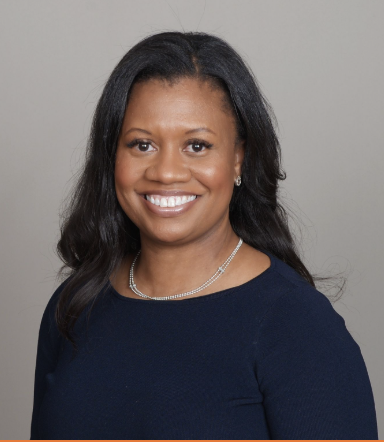
District Support Chief, Facilitator, Business Owner
Dr. Ashlee Saddler is a passionate leader, coach, and changemaker who empowers others to transform systems, elevate practice, and lead with purpose. With over 18 years of experience across education, mental health, and leadership development, Ashlee brings a unique blend of heart, strategy, and results to every space she enters.
She currently serves as District Support Chief for the University of Virginia’s Partnership for Leaders in Education (UVA-PLE) and as Senior Director of Leadership at the Public Education and Business Coalition (PEBC), where she partners with district and school leaders across the country to drive instructional excellence and lasting impact.
Ashlee’s leadership journey has included serving as a principal, assistant principal, and Director of Culturally and Linguistically Diverse Education—roles in which she championed equity, cultivated thriving learning environments, and saw measurable gains for students. She began her career as a mental health professional, and that foundation continues to inform her whole-leader, whole-person approach.
A lifelong learner, Ashlee holds a Master’s in Social Work from the University of Illinois at Urbana-Champaign, a Master’s in Education from Colorado State University, and a Doctorate from Baylor University, where her research focused on how to grow and sustain effective school leadership.
Through Saddler Consulting, LLC, Ashlee supports leaders across education, corporate, and nonprofit sectors through executive coaching, professional learning, and keynote speaking. Her mission …Read More